Best Time To Visit Magnetic Island For Snorkel And Koala Tours
Timing decides two things on Magnetic Island: how warm your tour day feels and whether a stinger suit is part of it. Here is what the climate record, the stinger season dates and the tour lineup say about which months suit which tours.
Short answer
The dry winter months from May to September bring the lowest rainfall, stinger-free water and southeast trade winds. Snorkel tours run year round with stinger suits from November to May, koala and bus tours suit the cooler months, and whale sightings are a seasonal extra from June to September. Wet season tours still run, with rain clustered into a handful of days each month.
When Is The Best Time To Visit Magnetic Island For Tours?
The best time for tours on Magnetic Island is the dry season, May through September, when monthly rainfall drops to between 9.9 and 33.7 millimetres and stinger risk is at its lowest. Bus, koala and walking tours are most comfortable then, snorkel tours run all year with stinger suits supplied from November to May, and operators work around winter's southeast trade winds rather than cancelling.
Timing matters on Magnetic Island more than on most island destinations because three separate calendars overlap: the wet and dry seasons, the marine stinger season, and the tour season itself. Get the overlap right and you can swim off a beach in the morning, walk to a WWII fort in the afternoon and never feel the heat. Get it wrong and you may spend a February afternoon watching a downpour from under a verandah in Horseshoe Bay.
The island sits about 8 kilometres north-east of Townsville, inside the Great Barrier Reef World Heritage Area, and 78 percent of its 5,184 hectares is protected as national or conservation park, according to Queensland Parks and Wildlife Service. That geography keeps tour activity concentrated outdoors, which is exactly why the calendar deserves a little planning before you book anything.
This guide works through the month by month climate, the stinger season, the trade winds and the cyclone season, then matches each tour type on the island's lineup to the months where it performs best. Every figure here comes from the Bureau of Meteorology's Townsville averages, council and lifesaving safety pages, or the tour listings themselves.
What The Month By Month Climate Actually Looks Like
Townsville's Bureau of Meteorology record shows hot, wet summers and dry, mild winters: mean maximums range from 25.2 degrees in July to 31.6 in December, while mean monthly rainfall swings from 312.9 millimetres in February down to just 9.9 in September. The biggest practical signal for tour planning is rainy days, which fall from 12.7 per month in February to 1.2 in September. Rain, not temperature, is what reshapes a tour day.
The Bureau's long-term averages for the Townsville Aero station give the cleanest picture of what to expect, since Magnetic Island sits just offshore in the same climate zone. Summer months, December through March, are consistently hot with mean minimums above 23 degrees, which makes early morning tour starts the comfortable option. Overnight lows in June and July drop to a mean of 13.9 to 14.8 degrees, cool enough that a 7am ferry crossing wants a light jacket even when the afternoon reaches the mid twenties.
| Month | Mean Max (C) | Mean Min (C) | Mean Rain (mm) | Mean Rainy Days (1mm+) |
|---|---|---|---|---|
| January | 31.5 | 24.4 | 274.4 | 11.7 |
| February | 31.2 | 24.2 | 312.9 | 12.7 |
| March | 30.8 | 23.1 | 197.9 | 9.7 |
| April | 29.7 | 20.8 | 66.7 | 5.3 |
| May | 27.7 | 17.7 | 33.7 | 3.6 |
| June | 25.7 | 14.8 | 20.1 | 2.4 |
| July | 25.2 | 13.9 | 15.5 | 2.0 |
| August | 26.2 | 14.8 | 15.7 | 1.4 |
| September | 27.9 | 17.5 | 9.9 | 1.2 |
| October | 29.6 | 20.8 | 23.9 | 2.9 |
| November | 30.9 | 23.0 | 60.7 | 4.9 |
| December | 31.6 | 24.2 | 130.3 | 7.4 |
Read the rainfall column as a pattern rather than a promise. February's mean of 312.9 millimetres does not mean rain every day; it means heavy falls arrive in concentrated bursts, often late in the day, with plenty of clear hours around them. April is the pivot month, when mean rainfall falls by two thirds from March and rainy days drop below six. From May through October the record shows a genuinely dry stretch, with August averaging just 1.4 rainy days.
Temperature, by contrast, barely changes. The spread between the coolest and warmest mean maximum is about six degrees, so there is no month where island tours shut down for cold. What changes is the feel of the middle of the day and, more importantly, what is in the water.
If you want one season to aim for across snorkel, koala and bus touring together, the May to September stretch is where the climate record, the stinger calendar and the tour lineup all line up. The trio below covers the three formats that benefit most from that window.
When Is Stinger Season And How Does It Change Tour Plans?
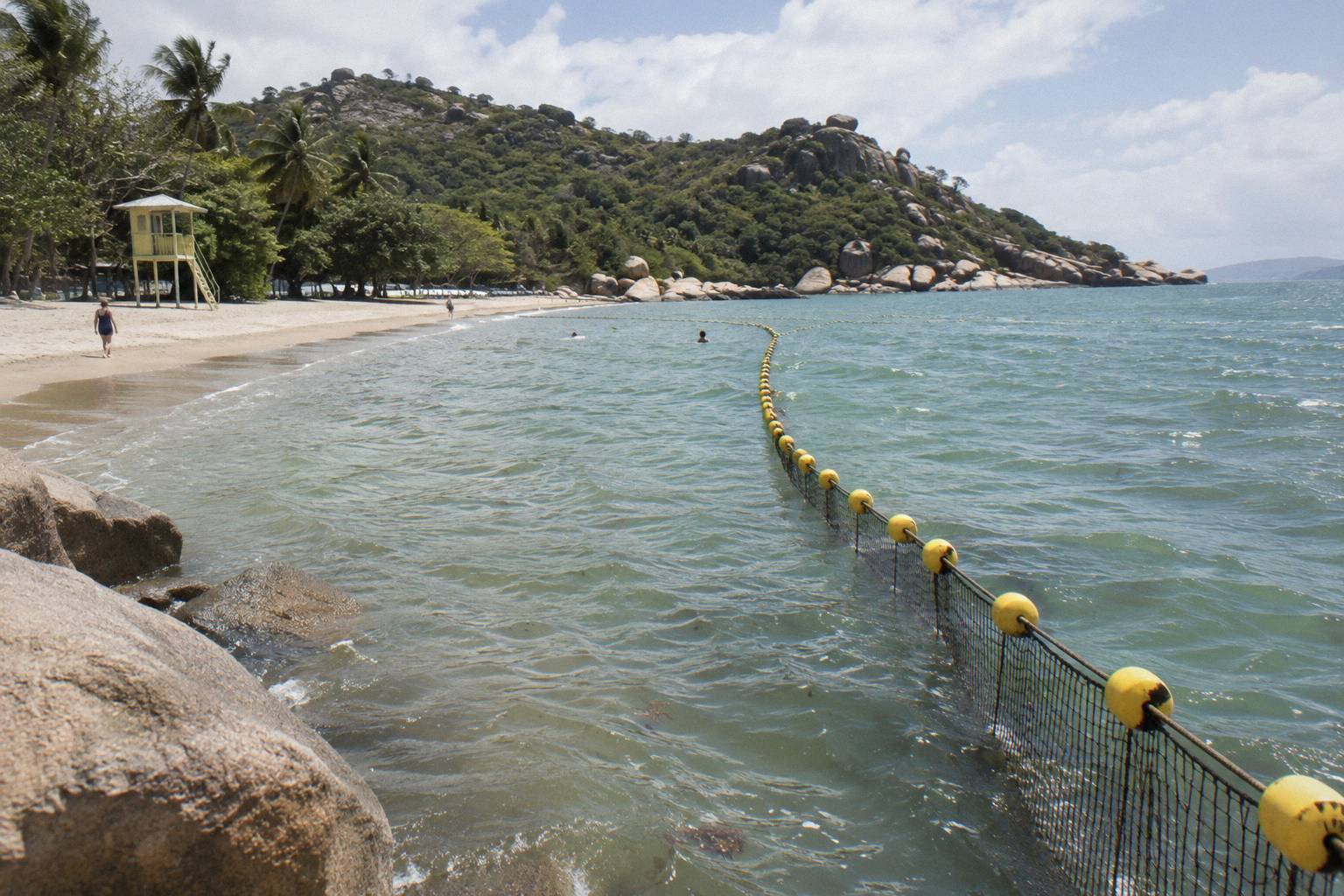
Marine stinger season on this coast runs from 1 November to 31 May, per Townsville City Council, with Surf Life Saving Queensland describing the elevated risk from box jellyfish and Irukandji as typically running November through May. In practice that means swim tours supply stinger suits, Horseshoe Bay and Picnic Bay swim inside stinger nets, and snorkelling continues as normal. Outside those months, stinger risk drops and suits mostly disappear from the gear list.
The stinger calendar is the single most date-sensitive fact on the island. Townsville City Council installs stinger nets at many beaches across the season and removes them only after the season ends and 14 days of net drags show no stingers, so the nets stay up into June in some years. On Magnetic Island, the council lists Horseshoe Bay with one lifeguard and stinger nets in use, patrolled every day from 8:15am to 4:15pm, and Picnic Bay with volunteer patrols and nets in use.
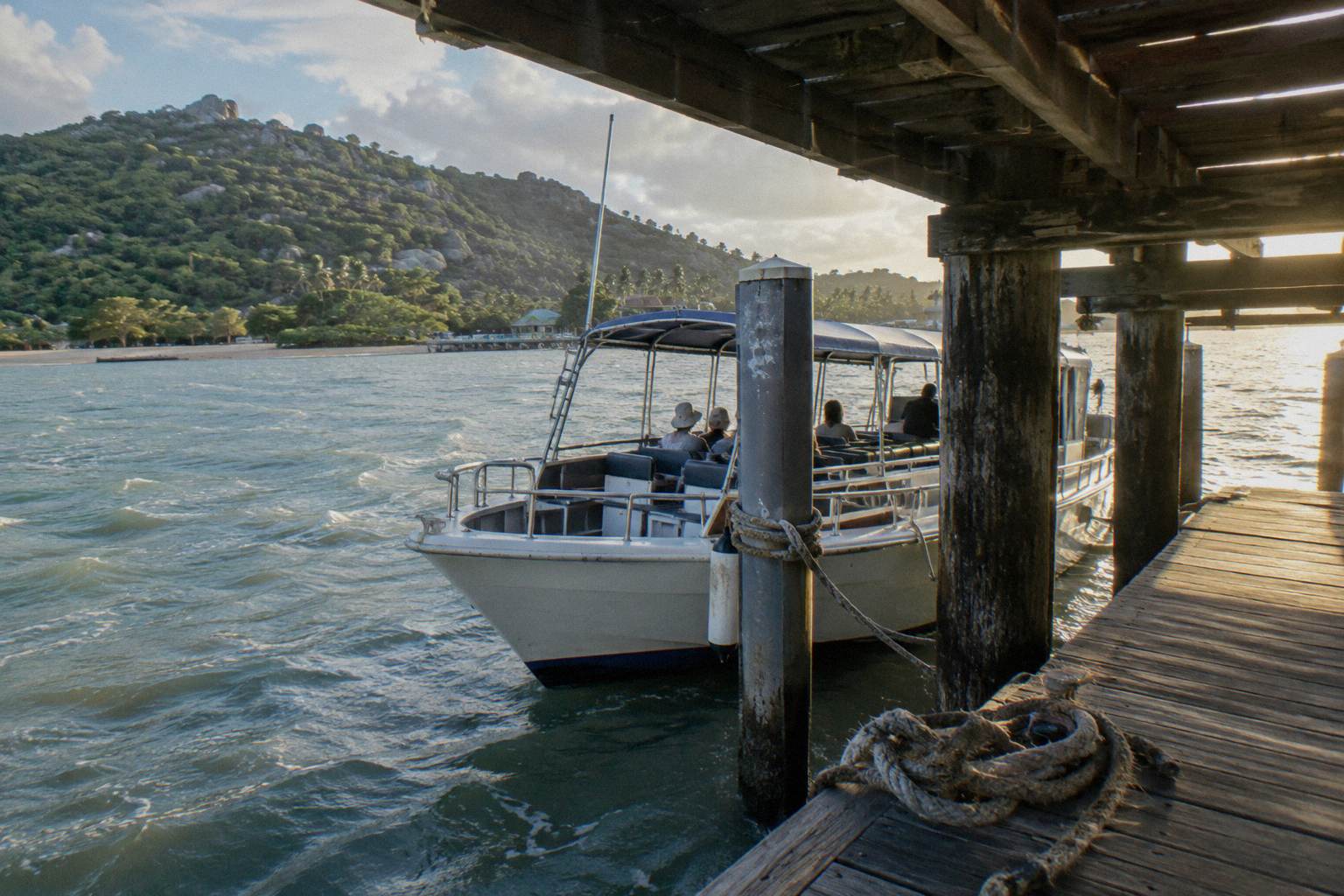
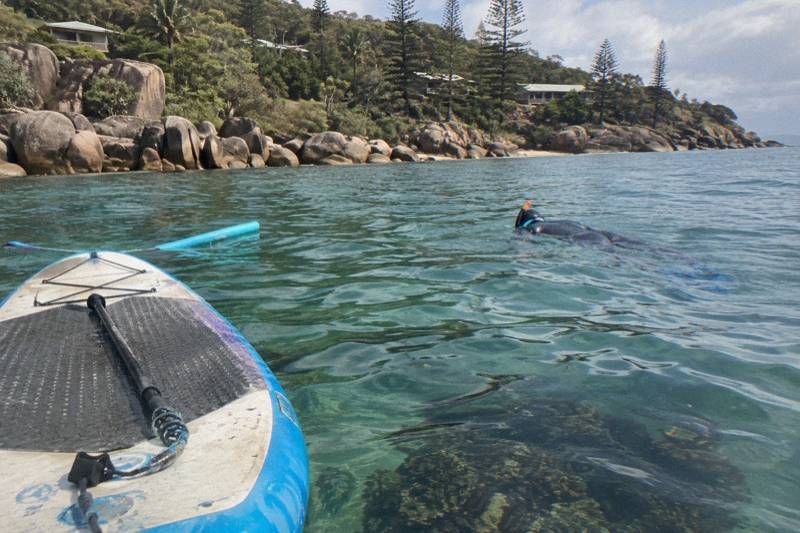
For tours, the season changes the gear list rather than the itinerary. The Aquascene "Magnetic Island: Snorkel Discovery Tour", rated 4.9 from 301 reviews and from A$179, includes UV stinger suits as seasonal equipment and wetsuits from June to September, so the same trip dresses you differently depending on the month. Pilgrim's sailing cruises likewise list stinger suit use during stinger season. The Surf Life Saving Queensland marine stingers page notes stingers may be present all year, which is why operators keep suits on the boat even at the edges of the season.
| Factor | Stinger Season (Nov 1 To May 31) | Off Season (Jun To Oct) |
|---|---|---|
| Stinger suits on swim tours | Supplied and standard | Generally not needed |
| Horseshoe Bay swimming | Inside stinger nets, lifeguard daily 8:15am to 4:15pm | Lifeguard patrols continue, nets removed after clear drags |
| Snorkel tour operation | Runs as normal with suits | Runs as normal |
| Water comfort | Warm | Cooler, wetsuits supplied Jun to Sep on some tours |
| Rainfall | Higher, Nov to Mar especially | Low |
If your priority is swimming without a suit, aim for June through October. If your dates land between November and May, a suit is simply part of the day, and on a 30 degree January afternoon most swimmers are glad of the coverage. What the season should not do is push you off the water entirely; the reef trips, sailing cruises and jet ski tours run right through it.
The snorkel discovery tour is the one to book with dates still flexible, since it carries free cancellation up to 24 hours before start and includes morning tea and all snorkel gear (ferry transfers from Townsville are not included) alongside those seasonal suits. Our broader guide to snorkelling around Magnetic Island covers where the fringing reef sits and which bays QPWS names as the best straight-off-the-beach spots.
Which Tours Suit Which Months?
Bus, koala and walking tours peak in the cooler dry months of May to September, when a 4 kilometre Forts Walk in 25 degree heat is a pleasure rather than an ordeal. Snorkel and reef tours run all year, with suits in the warmer months. Jet ski and boat tours are year round too, and winter adds a seasonal whale watching bonus on some trips without ever being a guarantee.
Matching tour type to month is mostly about heat and exposure. The Forts Walk, the island's signature track at 4 kilometres return with 2 hours of suggested walking time, is a Grade 3 climb through eucalypt woodland where QPWS itself advises walking early in the day because it is cooler and koalas are more active. In February that advice is essential; in July it is merely pleasant. The same logic applies to the island bus tours, which run 3 to 5 hours with short walks and an air-conditioned vehicle between stops.
The "Magnetic Island: Behind the Scenes with Tim Bee" tour, 4.9 from 205 reviews and from A$115, is a 5 hour island circuit with bottled water and national park entry included, and it is at its best when the walking segments happen in dry, mild weather. The jet ski options split the difference: the Poseidon "Magnetic Island Adventurer Tour", from A$189 for 4 to 4.5 hours, mixes boat travel, snorkelling and an optional guided walk, so it benefits from dry season conditions without depending on them.
| Tour Type | Peak Months | Runs Year Round? | Seasonal Notes |
|---|---|---|---|
| Snorkel and reef trips | Jun to Oct for suit-free swims | Yes | Stinger suits Nov to May; wetsuits Jun to Sep on some tours |
| Sailing cruises | May to Sep | Yes | Stinger suits in season; lunch and drinks included regardless |
| Jet ski tours and hire | Apr to Nov | Yes | Min age 6 to 7 depending on operator; no licence needed for hire |
| Bus and sightseeing tours | May to Sep | Yes | Air-conditioned vehicles; morning tea on several tours |
| Koala and wildlife park visits | May to Sep for comfort | Yes | Koalas rest by day, feed late afternoon, per QPWS |
| Scenic flights | Dry season for clearest views | Yes | From A$487 for the 30 minute flight listing |
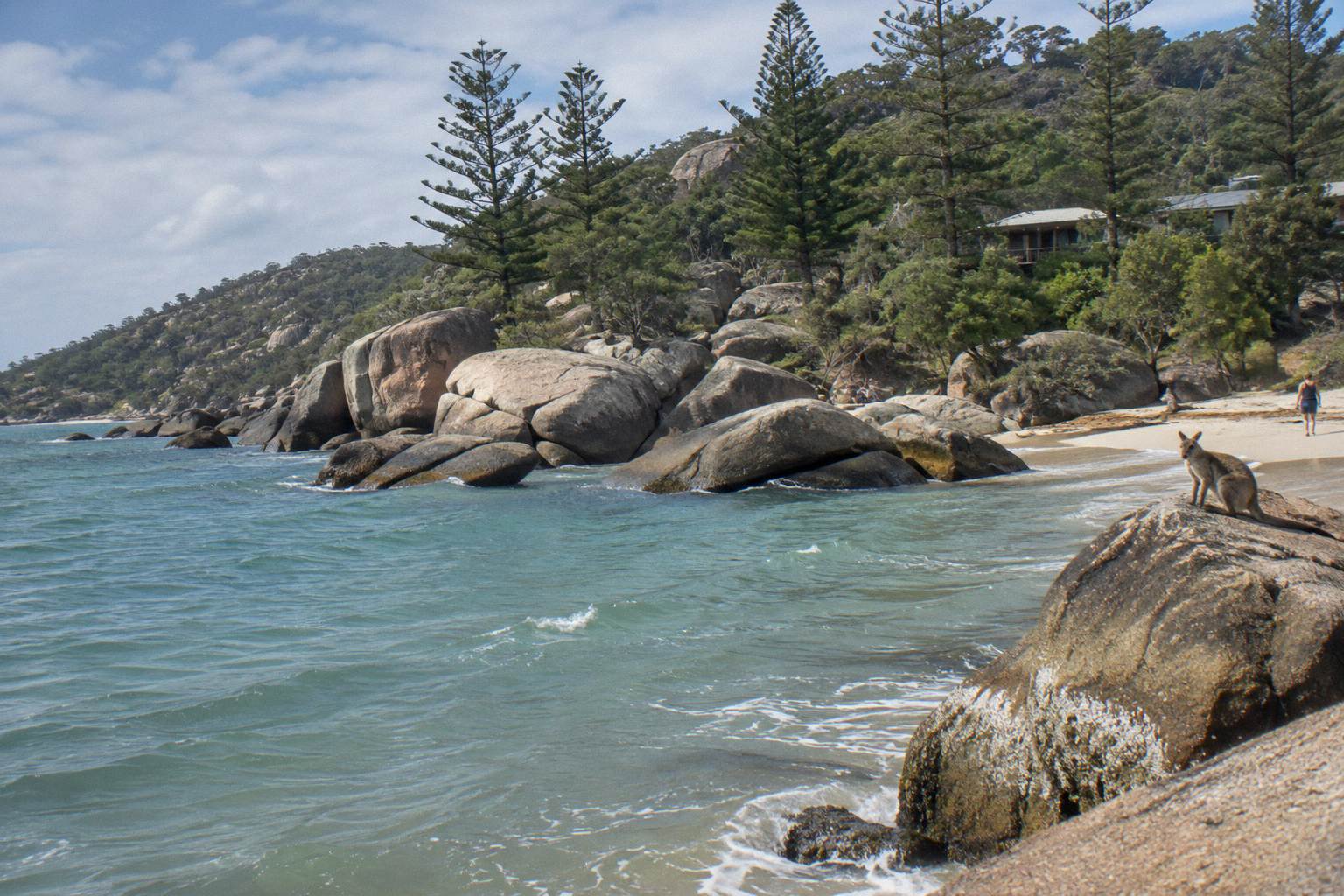
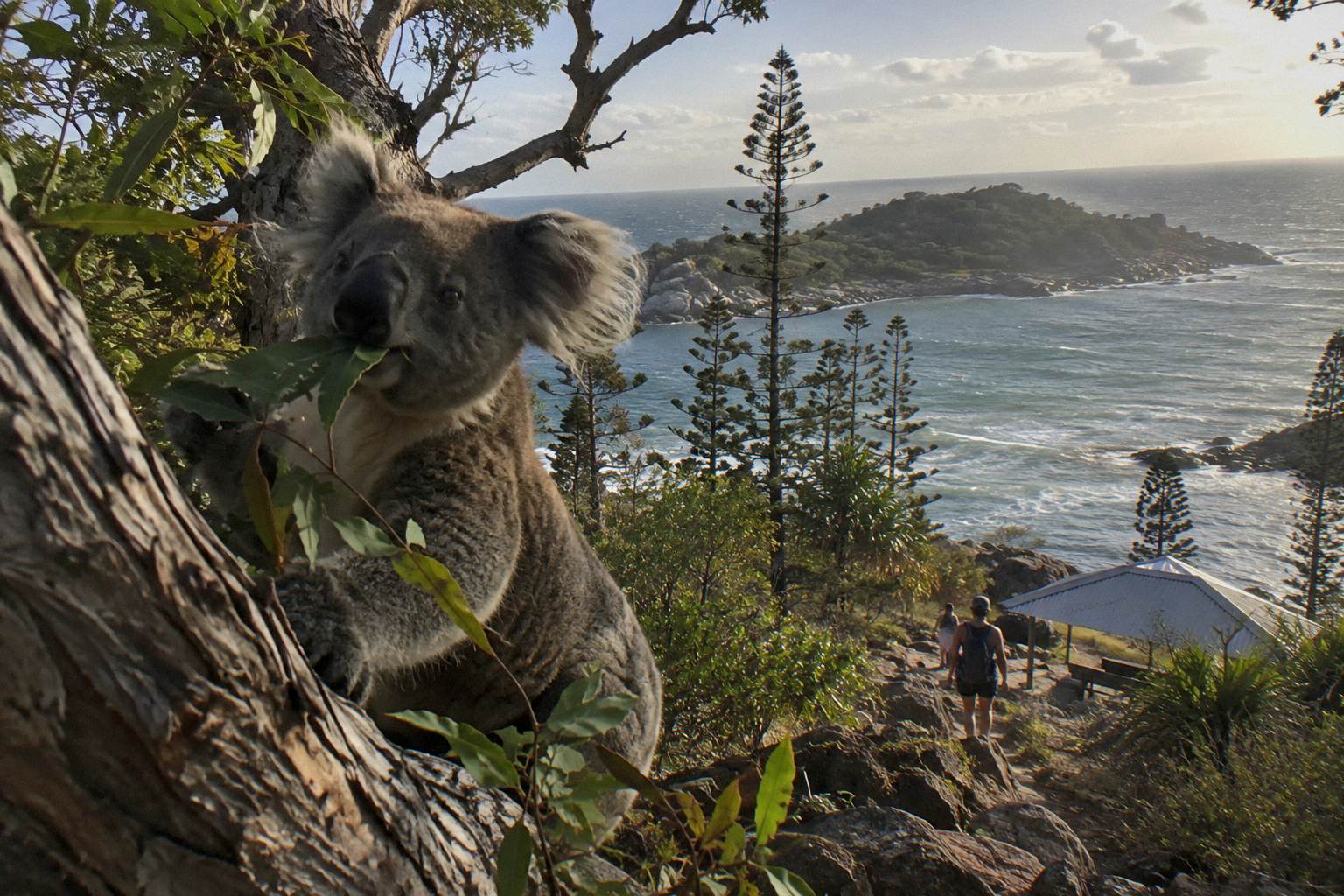
Wildlife timing follows its own rhythm. Koalas, introduced to the island in the 1930s and estimated at around 800 animals by a 2012 study, rest in eucalypt branches by day and feed in the late afternoon, so a koala-focused day benefits from an early Forts Walk segment and a wildlife park visit afterwards. Allied rock-wallabies are also most visible feeding early morning and late afternoon, according to QPWS, whatever the month.
Our comparison of the island's snorkelling tours breaks down the individual trips in more depth if the snorkel row of that table is the one that interests you most.
Do The Winter Trade Winds Affect Tour Days?
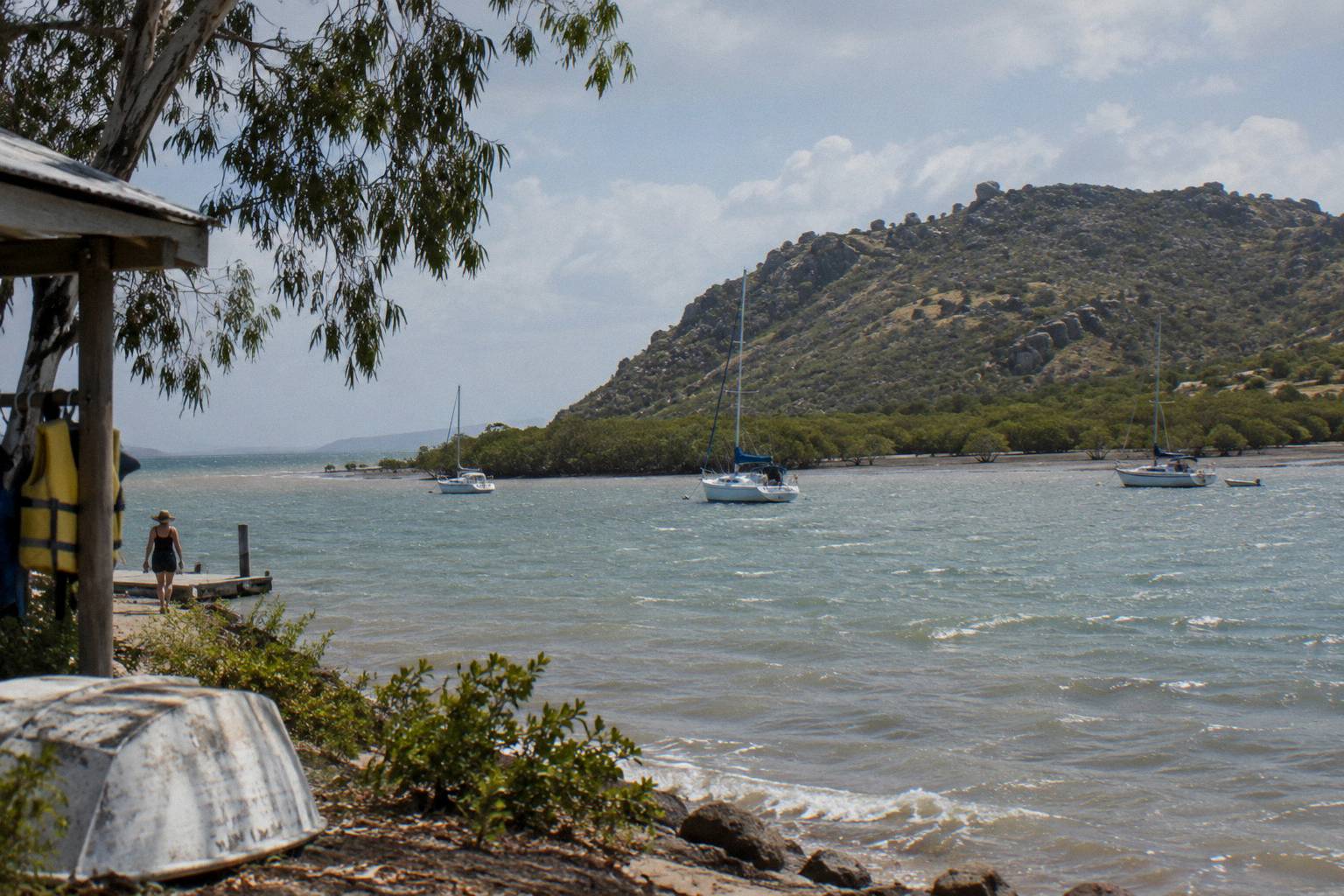
Yes, but mostly as a planning detail rather than a cancellation risk. The Bureau of Meteorology describes Townsville's winter months as dominated by southeast trade winds and mostly fine weather, so winter tour days are dry and sunny but breezy, with exposed crossings choppier than sheltered bays. Operators choose routes and bays around the wind, and island-based tours in Horseshoe Bay and the western bays sit in the lee.
The trade wind pattern is the detail most first-time visitors miss. The dry season's reward, near rainless skies, comes packaged with consistent southeasterlies, and on an island shaped like Magnetic Island that creates a simple geography: eastern bays catch the wind, western bays hide from it. A sailing cruise or circumnavigation boat tour will work the sheltered side on strong days, and jet ski guides pick routes the same way.
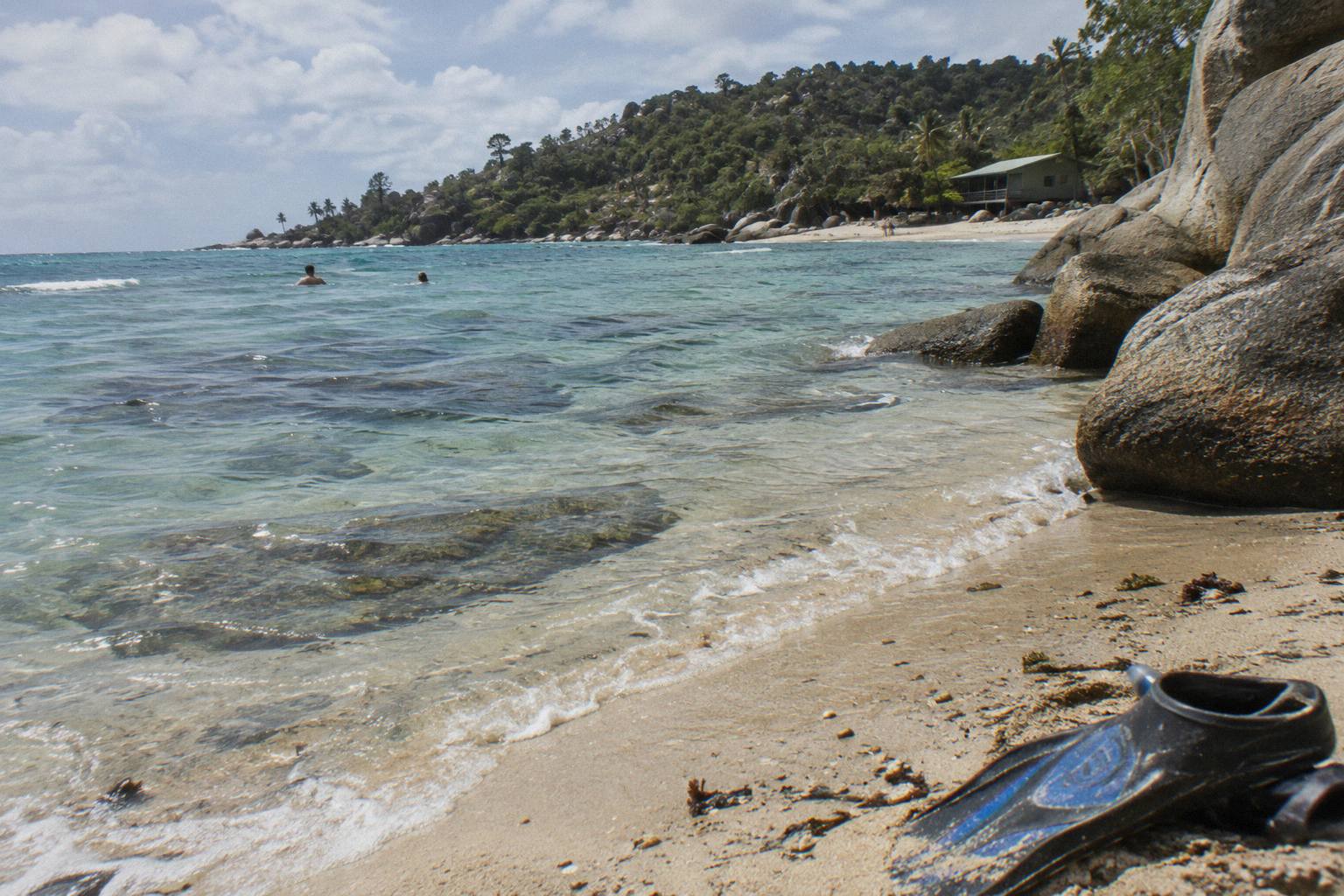
For snorkellers the wind matters more than for anyone else, because chop reduces the surface experience over fringing reef even when the water itself is fine. QPWS names Arthur Bay and Florence Bay as ideal for snorkelling straight off the beach, and both sit on the more protected northeastern coast. Booking a snorkel tour early in your stay, rather than on your last day, leaves room to shift if the wind is up.
Wind is also the reason winter whale watching works as a bonus rather than a headline. The Aquascene circumnavigation boat tour lists bonus whale watching as seasonal from June to September, and no operator on the lineup promises whales, because a calm dry season morning is a likelihood, not a schedule. Treat any whale mention on a listing as a possible extra and the winter booking decision becomes simpler.
Practically, the trade wind season argues for a two-activity pattern: something on the water in the calm of the morning, when the breeze is lightest, and a bus, koala or fort-based tour through the middle of the day when the wind is at its strongest and you barely notice it from an air-conditioned vehicle or a sheltered lookout.
What About Cyclone Season And The Wet Months?
The Bureau of Meteorology puts the Australian cyclone season from November to April, with about 10 tropical cyclones a season across the whole Australian region, and cyclones can occur outside those months. For Magnetic Island tours the practical effect is a wet season booking pattern: rain falls on roughly 5 to 13 days per month from November to March, tours keep running, and free cancellation terms are worth checking before you book.
Cyclone season should be understood at the right scale. A season with about 10 cyclones across the entire Australian region produces very few systems anywhere near Townsville in any given year, and the overwhelming majority of wet season days on the island are simply hot and partly fine with a chance of a downpour. The mean rainfall figures, 274.4 millimetres in January and 312.9 in February, arrive in heavy convective bursts, frequently in the afternoon, and the mean rainy-day counts leave most of each month clear.
| Wet Season Reality | What It Means For Booking |
|---|---|
| Nov to Apr is cyclone season per BOM | Rare near Townsville, but check the forecast a week out |
| Feb averages 12.7 rainy days | Most days still have long clear windows |
| Afternoon storms are common | Book morning tour slots in the wet months |
| Water is at its warmest | Snorkelling is comfortable with a stinger suit |
| Tour prices and availability | Same lineup runs; dates are easier to get |
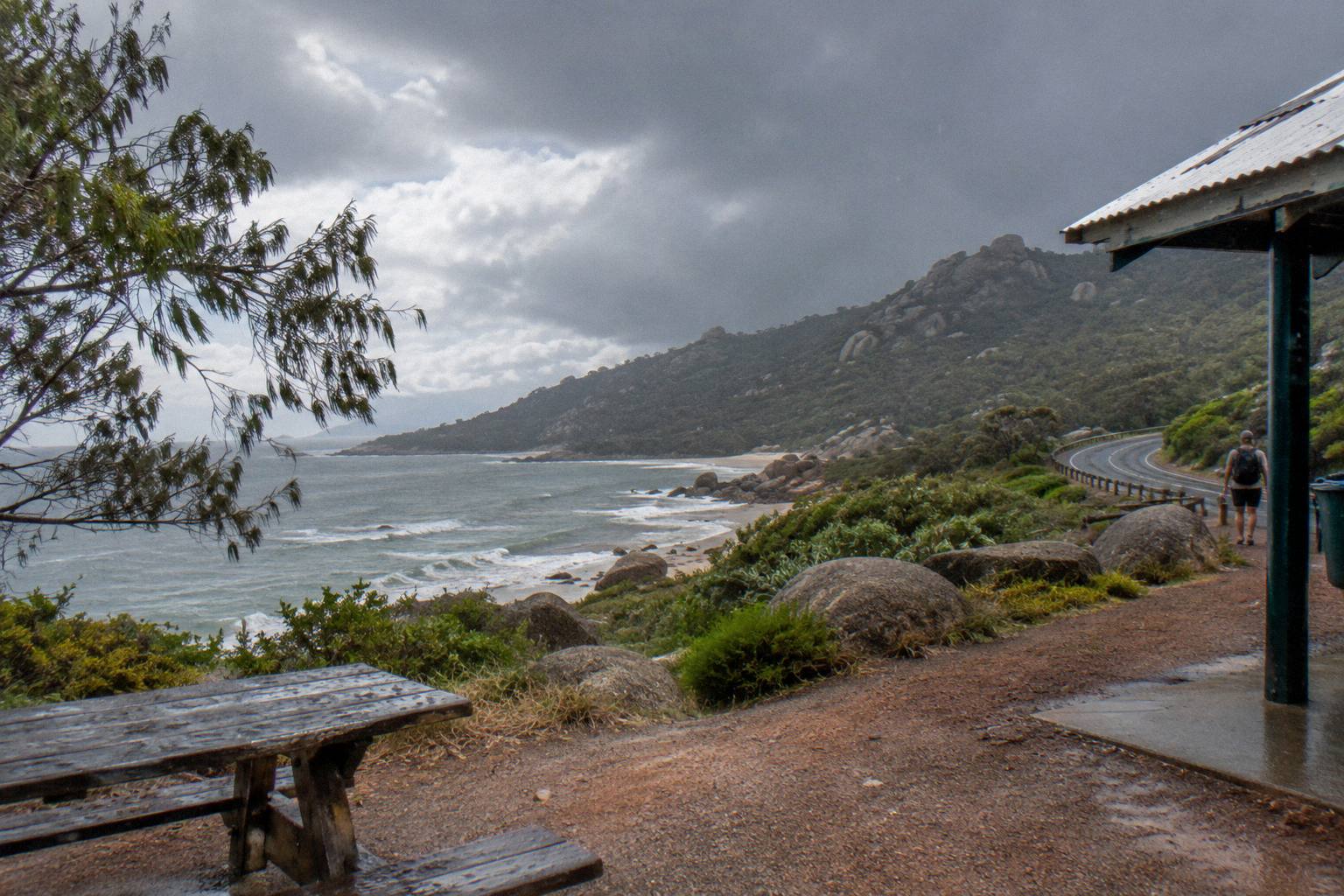
The wet months have genuine upsides for a tour visitor. Crowds are thinner, ferry seats and tour dates are easier to secure at short notice, the water is at its warmest, and the island's hoop pines and granite boulders photograph beautifully under towering storm clouds. The Aquascene weather policy is typical of the island's operators: if conditions force a cancellation, the company contacts you to cancel or offer an alternative date, or a full refund.
Where free cancellation is stated on a listing, it is usually up to 24 hours before start, which covers weather changes on most itineraries but not a same-day storm change of heart. The Bureau of Meteorology cyclone season page is the reference to watch if you are booking far ahead for the November to April window, and the council's lifeguard and beach page tracks the stinger net and patrol status that shapes swimming in those same months.
How To Choose Your Dates Around A Specific Tour?
Work backwards from the tour you most want, not from the calendar. If it is a suit-free snorkel day, book June to October. If it is a comfortable koala and fort walk, May to September. If it is a jet ski circumnavigation or a sailing lunch, any month works and the dry season simply improves the odds of perfect conditions. Then use free cancellation terms to hold your date early.
The island's lineup divides cleanly into weather-sensitive and weather-tolerant tours, and that division does most of the date-choosing work for you. Weather-sensitive tours are the ones built on water clarity and calm: snorkel discovery trips, reef and MOUA days, and the full circumnavigation jet ski experience, from A$450 for 4 hours around 11 bays. These reward the dry season most. Weather-tolerant tours, the bus circuits, koala park visits and behind-the-scenes island tours, run well in any month and are the reliable wet season fallback.
The 10 hour reef trips deserve special timing attention. The "Townsville & Magnetic Island: MOUA & Reef Snorkel Experience", 4.5 from 84 reviews and from A$394, and the "Great Barrier Reef Cruise from Townsville or Magnetic Island", 4.7 from 105 reviews at the same from-A$394 price, both commit a full day to open water, so a dry season booking materially improves the day. Both include lunch, snorkel gear and reef transfers, and both carry free cancellation up to 24 hours before start.
The Behind the Scenes tour is the archetypal weather-tolerant choice: an air-conditioned vehicle, short walks and a 5 hour island loop that works in July glare or March humidity alike, with national park entry included in the from-A$115 price (ferry tickets are extra). For a family weighing whether to drive themselves, our car hire or island tour comparison covers when a guided circuit beats a rental.
One more timing layer: time of day inside your chosen month. Koalas and rock-wallabies are most active early and late, winter trade winds build through the day, wet season storms cluster in the afternoon, and the last ferries back to Townsville run late enough that even an afternoon tour ends comfortably. A morning water tour plus an afternoon land tour, in either order, is the pattern that fits every season on the island.
Booking through Magnetic Island Tours means the booking pages you see carry the operator's own inclusions and cancellation terms, so the seasonal gear, suits in November to May and wetsuits in June to September, is spelled out before you pay rather than discovered at the jetty.
The snorkel discovery tour is the article's reference point for good reason: it is the lineup's most-reviewed water trip at 4.9 from 301 reviews, it runs from the Nelly Bay marina a minute's walk from the ferry terminal, and its seasonal equipment list, stinger suits in the warmer months and wetsuits from June to September, means the same booking adapts to whichever month you choose. From A$179 with morning tea, paddleboards and glass bottom boogie boards included, it suits both the June to October suit-free window and a wet season visit equally well.
Common Questions About The Best Time To Visit Magnetic Island
When Is The Best Time To Visit Magnetic Island?
The May to September dry season suits most visitors: mean monthly rainfall drops below 34 millimetres, rainy days fall to between 1.2 and 3.6 per month, and stinger season has ended. Snorkel, jet ski, sailing and bus tours all run through this window.
What Months Are Stinger Season On Magnetic Island?
Townsville City Council sets the season from 1 November to 31 May, and Surf Life Saving Queensland describes elevated box jellyfish and Irukandji risk as typically running November through May. Swim tours supply stinger suits in this period, and Horseshoe Bay and Picnic Bay have stinger nets.
Can You Snorkel On Magnetic Island In Winter?
Yes. Snorkel tours run year round, and several supply wetsuits from June to September when the air is cooler. Winter also brings the clearest, driest weather and the lowest stinger risk of the year.
Is Magnetic Island Too Hot In Summer For Tours?
Mean maximums sit around 31 degrees from December to March, so tours run but early morning starts are the comfortable choice. Rain falls on roughly 5 to 13 days per month in the wet season, leaving most days with long clear windows.
When Can You See Whales On A Magnetic Island Tour?
The Aquascene circumnavigation boat tour lists bonus whale watching as seasonal from June to September. No operator on the lineup guarantees whales, so treat any mention as a possible winter extra rather than a promise.
Do Tours Get Cancelled For Rain Or Wind?
The island's tours run in most conditions, with operators choosing sheltered bays on windy days. Aquascene's stated policy is to contact you to cancel or offer an alternative date, or a full refund, and many listings carry free cancellation up to 24 hours before start.