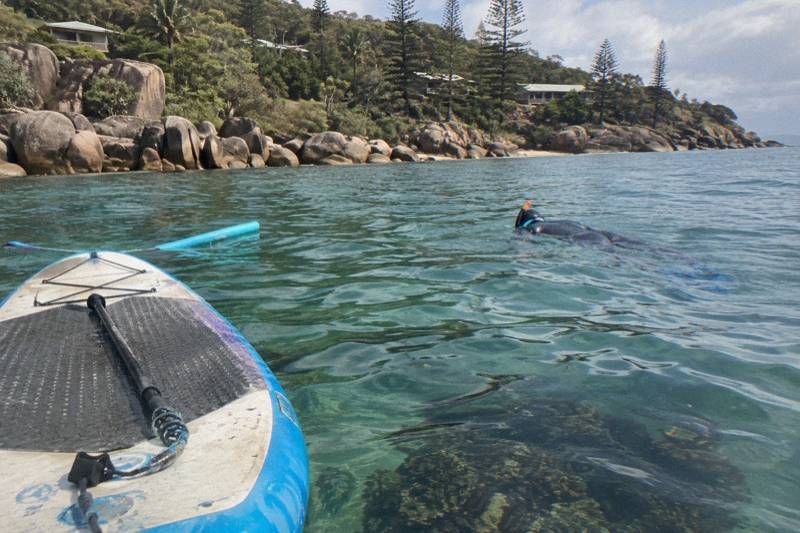
Are There Crocodiles Where You Snorkel Or Kayak On Magnetic Island?
The honest answer on crocodile questions for Magnetic Island swims and paddles, plus the hazards that are actually documented by Queensland Parks, Surf Life Saving and Townsville City Council.
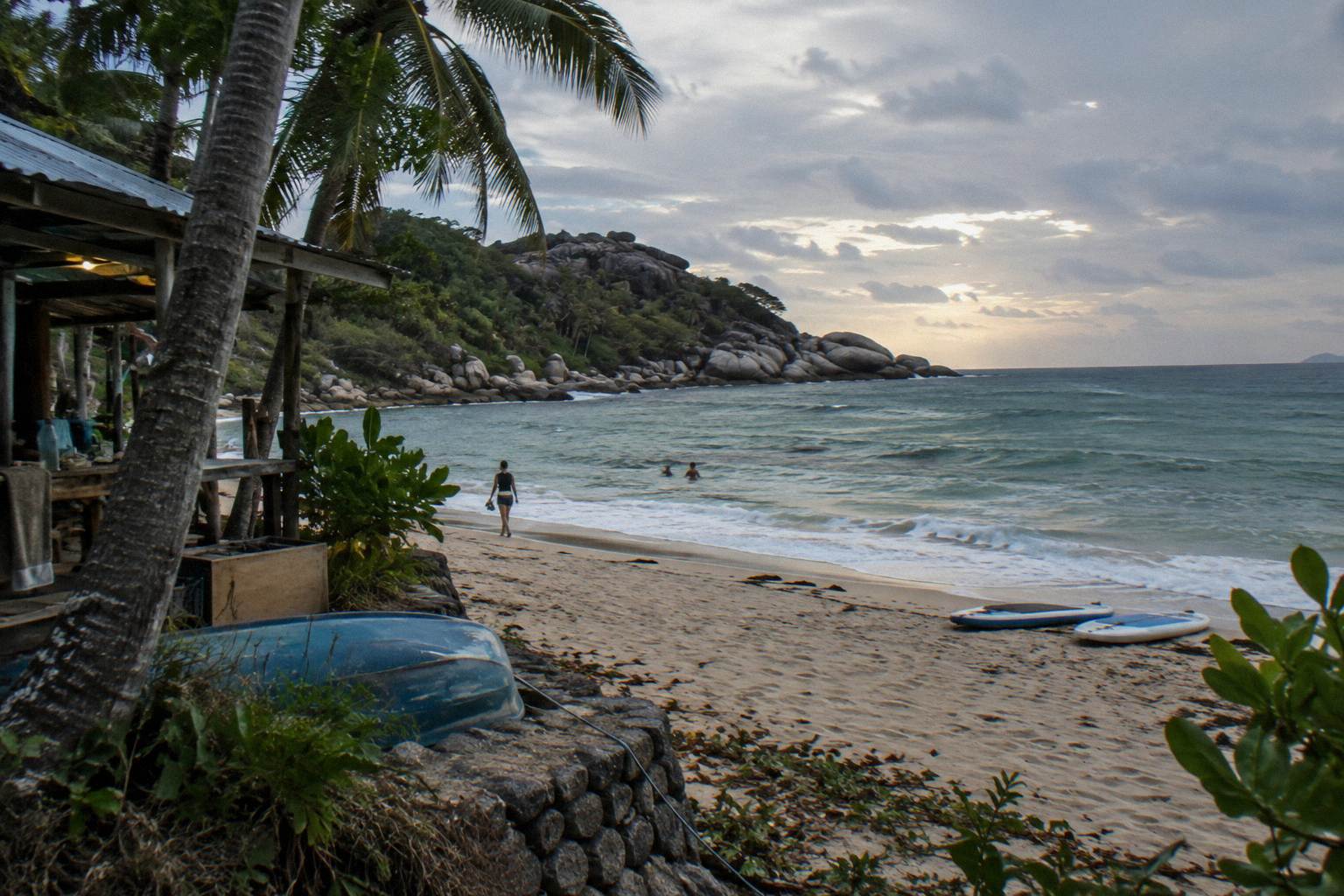
This site has no verified crocodile source on file for Magnetic Island, so it makes no claim either way: not that crocodiles are present, and not that they are absent. What can be verified is different. Queensland Parks warns visitors to the island's national park to beware marine stingers, and Surf Life Saving Queensland names stingers, not crocodiles, as the seasonal risk it manages on North Queensland beaches. The documented, source-backed hazards for swimmers and paddlers here are box jellyfish and Irukandji during the warmer months, and the official response to them is stinger nets, lifeguards and full-body stinger suits. Those are the facts worth planning around, and they are the reason most visitors booking a Magnetic Island swim choose a guided tour where the gear and the location decisions are handled by an operator who works these waters daily. The rest of this article lays out exactly what each official source says, so you can weigh the real record for yourself.
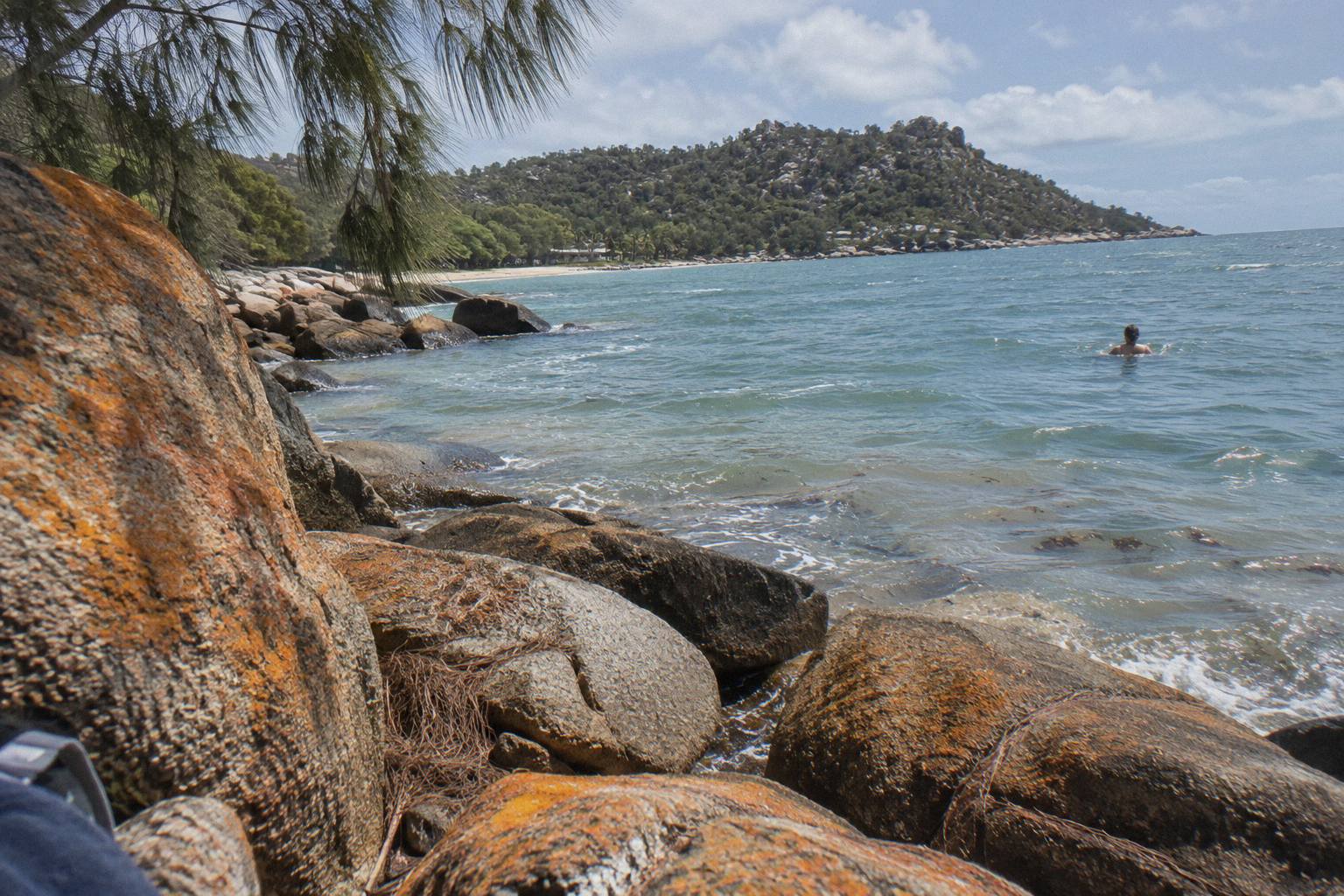
Start with what the park manager itself prints. The Queensland Parks and Wildlife Service page for Magnetic Island National Park lists the park's facilities and, among its safety warnings, carries a plain instruction: beware marine stingers. That is the agency responsible for 78 percent of this 5,184 hectare island, the body that manages the bays, the walking tracks and the moorings, and its flagged hazard for people entering the water is jellyfish, with no crocodile warning on file from any of the official pages this site has read. Nobody should read that as proof crocodiles never pass through North Queensland waters, because no source here supports that claim either, and this site will not print what it cannot verify.
What the official record does support is a set of concrete, checkable safety arrangements. Townsville City Council, which runs the lifeguard service covering the island's most popular swimming beaches, publishes patrol hours and stinger net status for each beach. Surf Life Saving Queensland publishes the season window during which the two dangerous jellyfish species are a heightened risk. And the tour operators on the island supply stinger suits in season as standard practice on their swim trips. If your underlying question is "is it safe to get in the water here", the answer sits in those arrangements, not in an unverified claim about any animal.
If the question is standing between you and a booking, these are the three trips this site would compare first:
What Hazards Are Actually Documented?
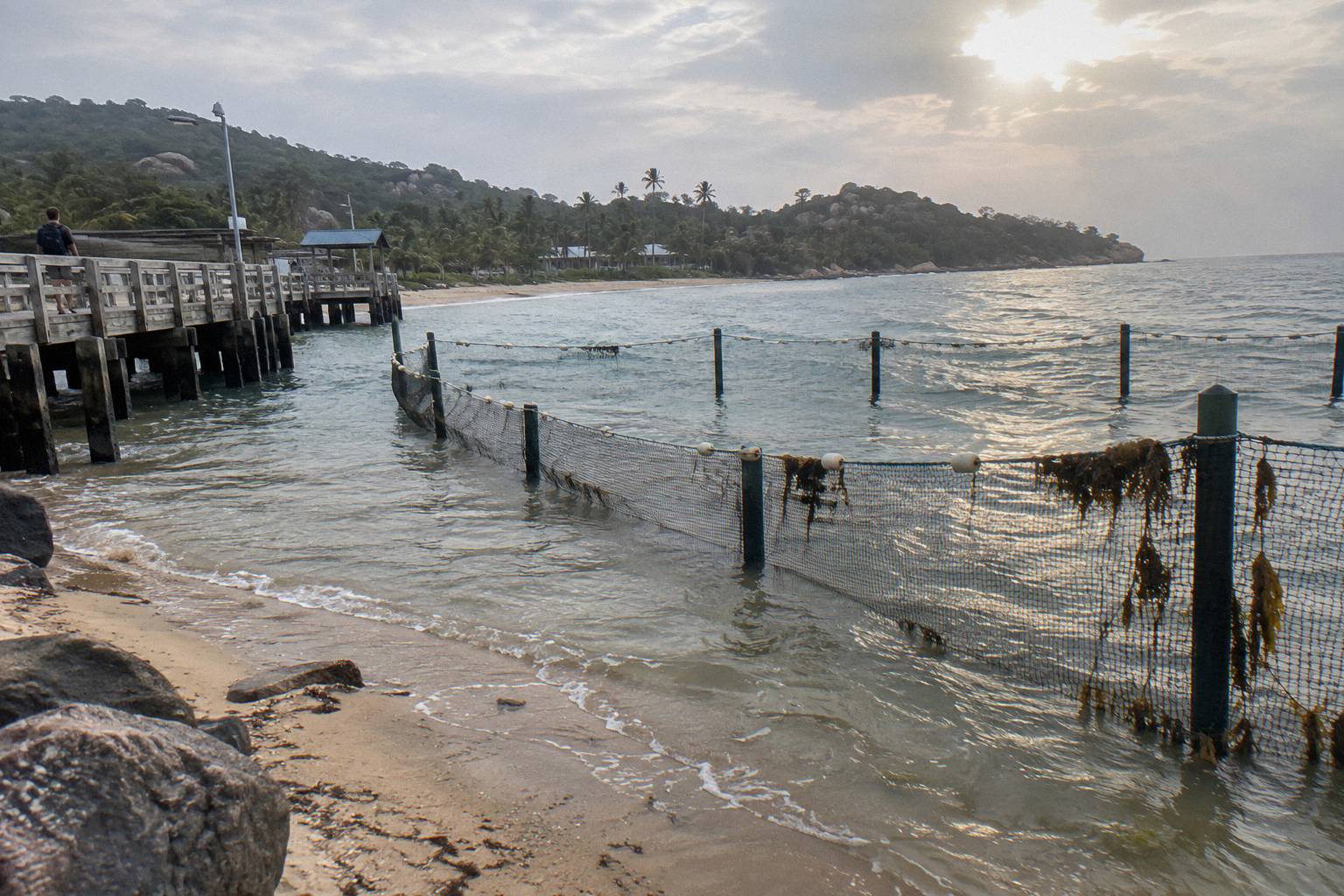
Three water hazards are documented by official sources for Magnetic Island: marine stingers, which Queensland Parks explicitly warns about on the national park page; unpatrolled beaches, since only two island beaches carry council lifeguards; and the general marine environment of the Great Barrier Reef World Heritage Area, which the park service manages with zoning rules rather than blanket warnings. Crocodiles appear on none of the official pages on file. The stinger warning is the one that shapes seasons, gear and beach choice, so it deserves the closest read. Surf Life Saving Queensland states that the risk from box jellyfish and Irukandji is higher during a marine stinger season that typically runs from November through to May, and adds that stingers may be present all year. Townsville City Council frames the same season more precisely on its own pages, from 1 November to 31 May, with nets installed at many beaches and removed only after the season ends and 14 consecutive days of net drags find no stingers.
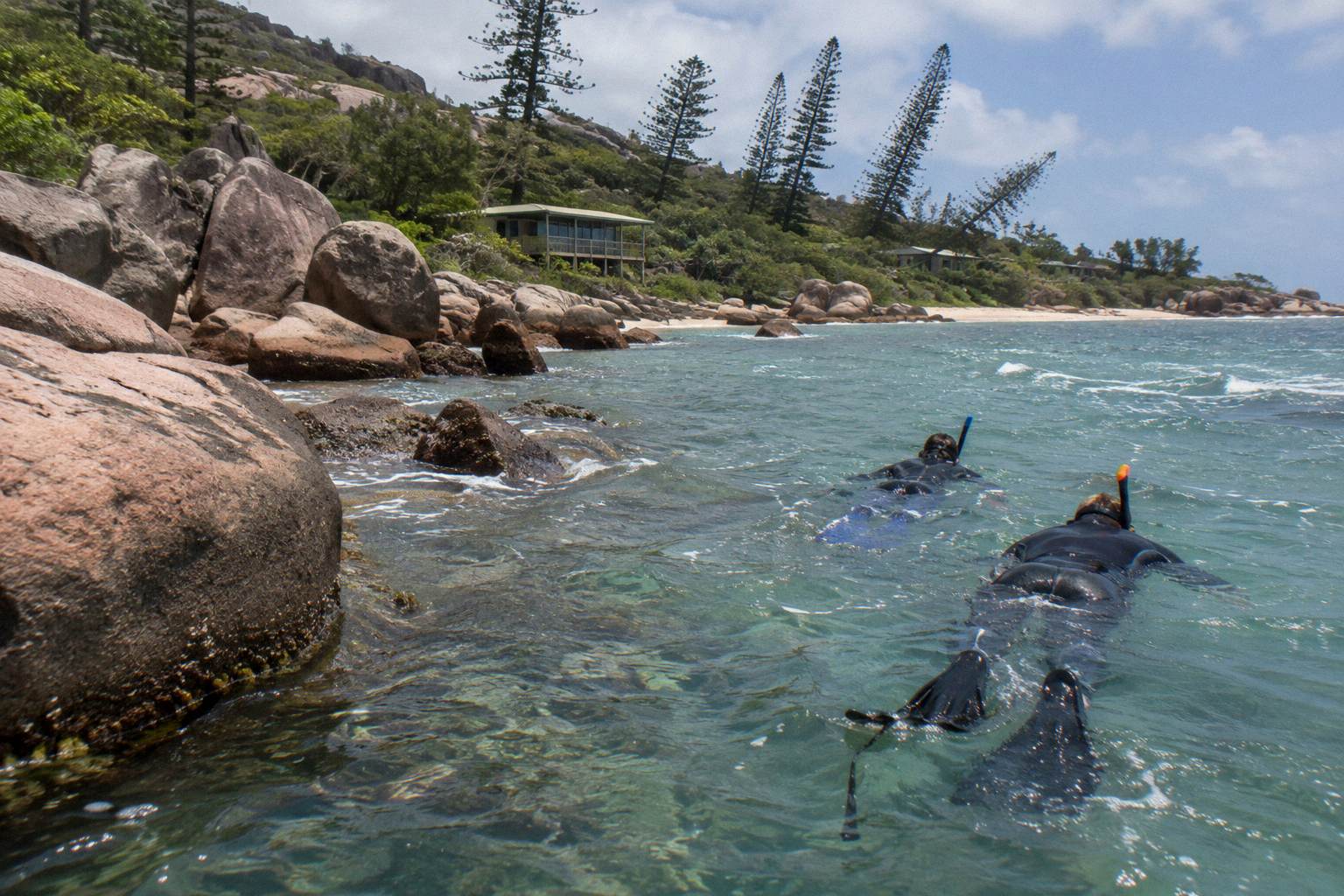
That is a long season, roughly half the calendar, and it covers the warm months when most southern visitors travel north. It also explains why the island's swim culture looks the way it does: stinger nets at the busy beaches, lifeguards on set hours, and stinger suits treated as ordinary swim equipment rather than specialist gear. A traveller who understands the stinger calendar has effectively answered the safety question that the crocodile rumour was standing in for.
On land the park service documents one more hazard worth a sentence, since snorkellers and kayakers walk to the water. QPWS notes that common death adders camouflage among the island's granite boulders, and its standing rule is that feeding wildlife is not allowed in the national park because it affects animal health and alters natural population balance. Neither of these is a reason to stay out of the water, but both are reasons to keep to formed tracks and leave animals alone.
| Hazard | What Official Sources Say | Where It Applies |
|---|---|---|
| Marine stingers | QPWS warns "beware marine stingers"; SLSQ says risk is higher November to May, present all year | All island waters |
| Stinger season dates | Council defines it as 1 November to 31 May, with nets removed only after clear net drags | Beaches with nets |
| Unpatrolled beaches | Only Horseshoe Bay and Alma Bay carry council lifeguards | Beach selection |
| Snakes on land | QPWS notes death adders camouflage among granite boulders | Walking to and from bays |
| Feeding wildlife | Not allowed in the national park | Whole island |
The practical takeaway from that table is simple: the hazards with an official paper trail are managed with nets, patrols and suits, and all three of those are things you can check before you swim. The operator side of the equation is covered in a later section, because several tours supply stinger suits as part of the ticket.
For readers who want the primary sources, Surf Life Saving Queensland's marine stinger page carries the season guidance and first aid advice, at lifesaving.com.au/safety-info/marine-stingers, and the council's lifeguard hours page lists each beach's patrol details, at townsville.qld.gov.au lifeguard hours. Both are short reads and both are worth five minutes before any North Queensland swim, on Magnetic Island or anywhere else along the coast.
Which Beaches Have Lifeguards And Stinger Nets?
Two Magnetic Island beaches carry a council lifeguard: Horseshoe Bay and Alma Bay, both patrolled every day from 8:15am to 4:15pm. Horseshoe Bay and Picnic Bay both use stinger nets, while Picnic Bay is patrolled by volunteers from 1 September to 31 May rather than a council lifeguard. Alma Bay's net status is recorded inconsistently across council reads, so this site makes no claim either way. Those four arrangements cover the beaches where most visitors actually swim, and they map neatly onto the island's settlement pattern: Horseshoe Bay in the north, Alma Bay in Arcadia, and Picnic Bay at the southern end. Beyond them, the island's other bays, including the snorkelling spots the park service names, have no lifeguard service at all, which is the single biggest practical difference between swimming at Florence Bay and swimming at Horseshoe Bay.
The council also runs a roving lifeguard service, with systematic patrols of all Magnetic Island beaches by vehicle and jet ski. That matters for readers weighing a kayaking trip or a beach walk to a remote bay, because the patrol coverage extends beyond the two fixed lifeguard chairs even though fixed-hour patrols only exist at Horseshoe and Alma. It also means beach conditions on this island are actively monitored by a professional service, which is more than many tropical destinations can say.
| Beach | Lifeguard | Patrol Hours | Stinger Nets |
|---|---|---|---|
| Horseshoe Bay | Yes, council lifeguard | Every day 8:15am to 4:15pm | In use |
| Alma Bay | Yes, council lifeguard | Every day 8:15am to 4:15pm | Conflicting records, no claim made |
| Picnic Bay | Volunteers, 1 Sep to 31 May | Volunteer patrol season | In use |
| Other bays | Roving patrols only | Variable | None listed |
Choosing a beach therefore comes down to a simple hierarchy. If you want a lifeguard and a net, swim at Horseshoe Bay inside the enclosure during patrol hours. If you want the snorkelling the park service itself recommends, its pages name Arthur Bay and Florence Bay as ideal, with fringing reef accessible straight from the beach, but those bays sit outside the fixed patrol system, which is exactly why many swimmers prefer to visit them with a tour. If you are paddling a kayak or a paddleboard, you are mobile across all of this, so the patrol question matters less than the suit question, covered next.
The fixed hours deserve one more emphasis, because they catch visitors out. A 4:15pm finish means an evening swim at a patrolled beach happens after the lifeguard has gone home, and the stinger season runs well into the warm evenings when swimming feels most appealing. Swim inside the hours, inside the nets, and the documented system is working for you.
When Is Stinger Season And What Should You Wear?
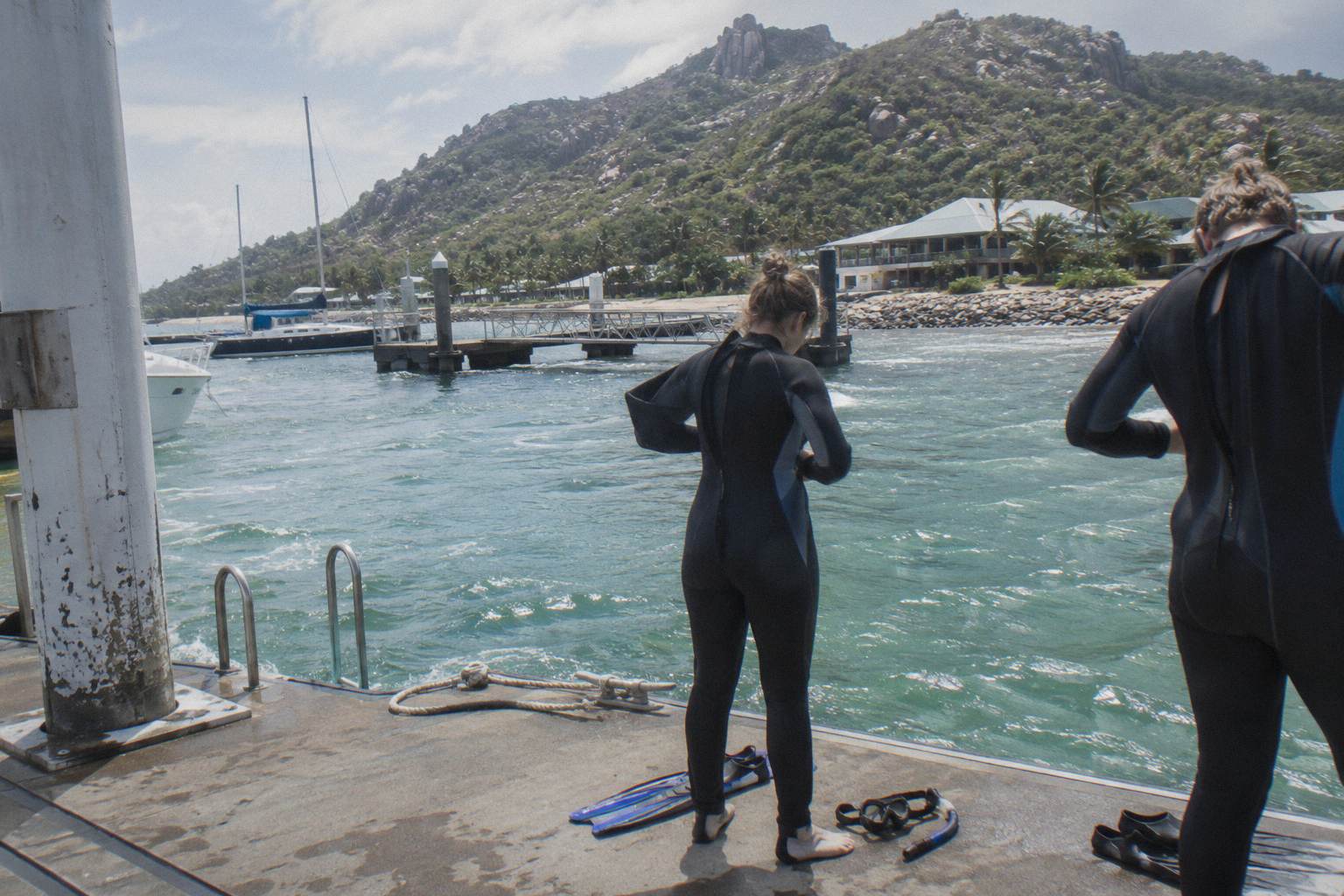
Stinger season runs from 1 November to 31 May by the council's definition, and Surf Life Saving Queensland describes the same November to May window as the period of heightened box jellyfish and Irukandji risk, with stingers possible year-round. The standard protective measure on tours is a full-body stinger suit, and island operators supply them in season as part of the trip. The suit is not optional gear for a serious North Queensland swimmer in these months; it is the equivalent of a seatbelt. It covers the skin that box jellyfish tentacles would contact, and because tour operators include it in the ticket price, wearing one costs a swimmer nothing but the small effort of putting it on.
The season's shape follows the water temperature, which follows the calendar. Bureau of Meteorology averages for Townsville show mean maximum air temperatures peaking at 31.6 degrees in December and January and bottoming at 25.2 in July, with the winter months dominated by south-east trade winds and mostly fine weather. Translated to the water: the November-to-May season covers the entire warm half of the year, while the June-to-September window is the cooler, drier period when wetsuits replace stinger suits on boat tours and the mean rain days drop to two or fewer per month. The rest of the planning pages sit on Magnetic Island Tours.
| Period | Official Status | Typical Gear On Tours |
|---|---|---|
| November to May | Stinger season, heightened risk | UV stinger suit, supplied seasonally |
| June to September | Outside season, cooler water | Wetsuit supplied on island snorkel tours |
| Year-round | SLSQ notes stingers may be present all year | Suit use always sensible |
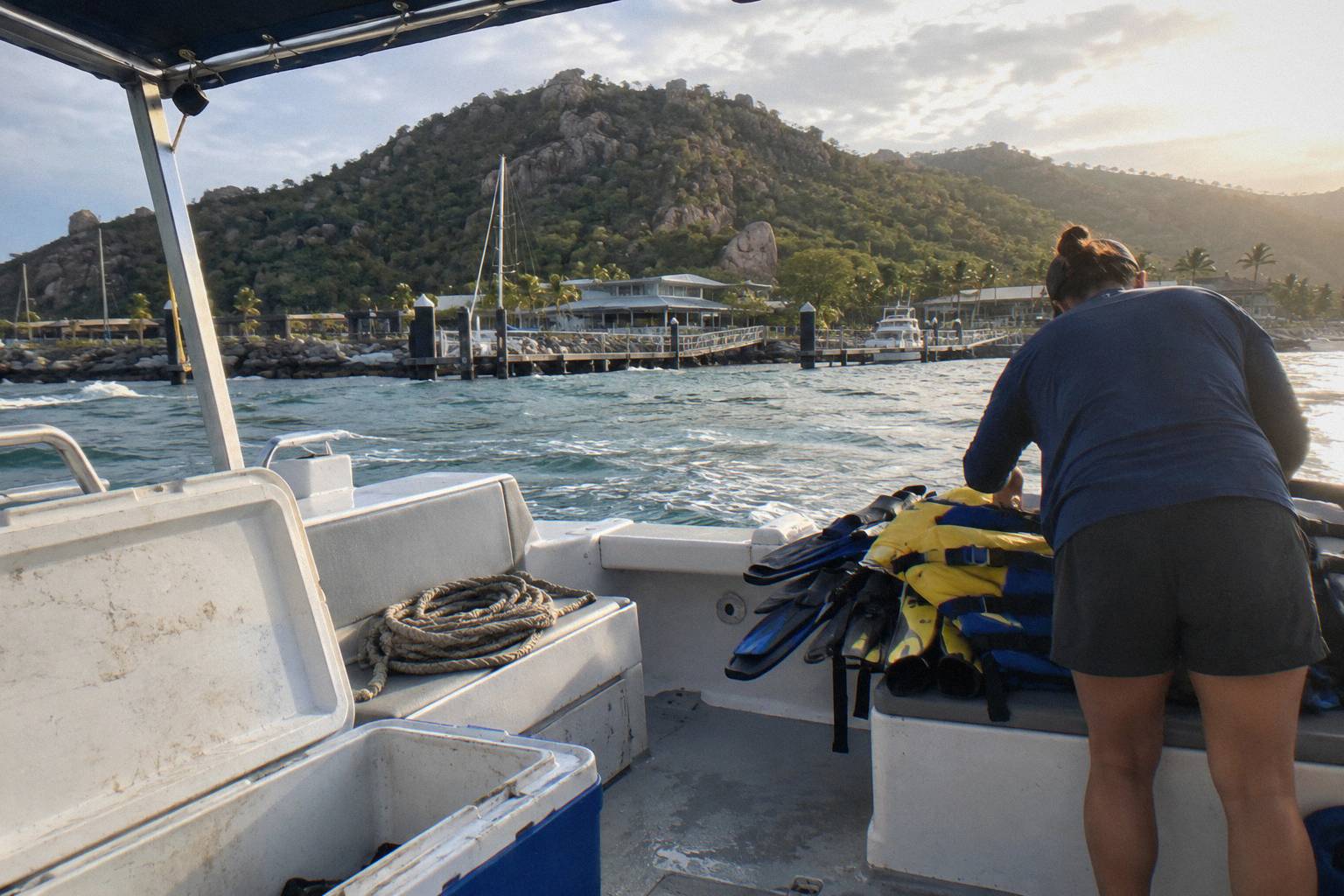
The Aquascene Magnetic Island operation illustrates how operators fold this into a normal trip. Its Magnetic Island: Snorkel Discovery Tour, from A$179 and rated 4.9 across 301 reviews, includes snorkelling gear, wet suits in the cooler months of June to September, and seasonal UV stinger suits, alongside paddleboards, glass-bottom boogie boards and morning tea. The stinger suit is simply listed as part of what the ticket includes, in the same breath as the mask and fins, which tells you how routine the safety gear is on this island. For a deeper look at that trip, see this site's guide to snorkelling tours on Magnetic Island compared.
Why A Guided Snorkel Settles The Safety Question
A guided snorkel moves every documented safety decision off your plate: the operator picks the bay, supplies the suit in season, carries the local knowledge of conditions, and, on the strongest listings, offers free cancellation up to 24 hours before start. That last point matters more than it looks. When weather or conditions turn, Aquascene's published policy is to contact you to cancel or offer an alternative date, or a full refund, so the decision about whether the water is right that day rests with people who watch it professionally. For a swimmer whose real worry is "what is in the water", handing the location call to an operator is the most direct answer available, regardless of what any rumour says.
Consider what the two reef day trips on this site's lineup add. The Townsville and Magnetic Island MOUA and Reef Snorkel Experience, from A$394 for a 10-hour day with Adrenalin Snorkel and Dive, includes full-length suits and flotation devices for novices, plus snorkelling instruction and reef ecology talks. The Great Barrier Reef Cruise from Townsville or Magnetic Island, also from A$394 over 10 hours and rated 4.7 from 105 reviews, includes the same full-length suit and mask, snorkel and fins, with pool noodles, life rings and air vests for swimmers who want them. Both take you to offshore reef sites well beyond any bay, with crew whose entire job is the water.
The inshore option, the Aquascene discovery tour, covers the paddling half of your question too. With paddleboards and flotation aids included alongside the snorkel gear, it handles both activities in one ticket, from the Magnetic Island Marina at Nelly Bay, a short walk from the ferry terminal. Readers weighing the timing of a booking will find this site's guide to the best time for snorkel trips breaks the season down month by month, and the guide to snorkel gear and stinger suits covers what to bring yourself if you swim independently.
Guided trips also close the loop on the wildlife-encounter question sensibly. Operators brief guests, supply the right suit, and choose sites where the documented seasonal risks are managed. Whatever an individual swimmer believes about any large animal in North Queensland waters, the practical protection, a suit, a crew and a chosen site, is identical, and it is included in the ticket.
How To Judge A Beach Yourself In Five Minutes
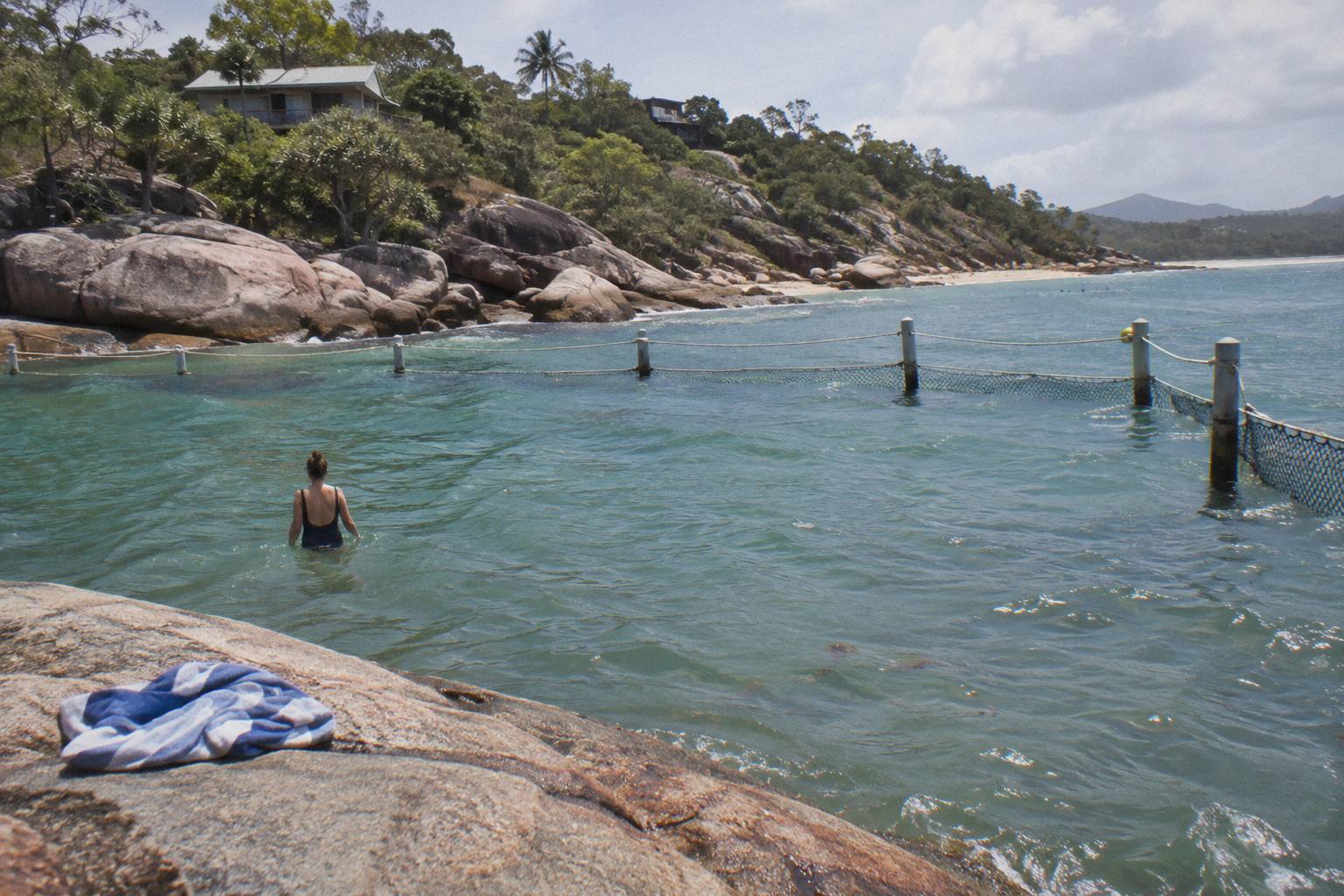
Check three things before any independent swim or paddle on Magnetic Island: whether the beach has a lifeguard and within what hours, whether a stinger net is in place and you are inside it, and whether the date falls inside the 1 November to 31 May stinger season, in which case wear a full-body suit. All three are answerable from the council's published pages in less time than it takes to walk from the ferry terminal to the sand. The crocodile question, by contrast, is not answerable from any official source this site holds, which is itself information: the bodies that manage this coastline publish extensively about stingers, nets and patrol hours, and publish nothing on file about crocodile management here.
For independent swimmers the checklist is short. Swim in patrol hours, inside nets where they exist, wear a suit from November to May, and do not swim at dusk or alone at remote bays, which is standard advice for any tropical Australian coast regardless of local hazard profiles. The park service's own framing supports the cautious approach: its national park page warns visitors to beware marine stingers, and its wildlife rule, that feeding animals is not allowed because it harms their health and alters population balance, extends the same logic to the animals you might encounter from the sand.
Kayakers and paddleboarders should add one item: know where you are relative to the fixed patrols. A paddle from Horseshoe Bay along the coast takes you past bays with no lifeguard, so the suit, a phone, and telling someone your route do the work the patrol tower does at the main beaches. The park service's landscape description of the island, boulder-strewn headlands, hoop pines, sandy beaches and fringing coral reefs, is also a practical map of this: the fringing reefs that make the snorkelling good hug the headlands, and the headlands are where conditions change fastest.
One honest closing note on scope. This article reports what official sources document, and it refuses to claim, in either direction, what no source on file supports. Any reader who wants a definitive statement on crocodiles in North Queensland waters should read the state wildlife authority's own crocodile pages directly rather than a tour site's summary, including the Queensland Government's crocodile information at qld.gov.au crocodile awareness, and the park service's island page at parks.qld.gov.au/parks/magnetic-island for the hazards it does flag. What this site can say, from the record, is that the managed system here is built around stingers, nets, lifeguards and suits, and that a guided tour books you into all four at once.
For the final comparison, here again are the three snorkel trips that best cover a first-time visitor who wants the safety question handled:
Common Questions About Snorkelling Safety On Magnetic Island
Are There Crocodiles Where You Snorkel Or Kayak On Magnetic Island?
No verified crocodile source is on file for Magnetic Island, so this site makes no claim either way. The documented hazards are marine stingers, which Queensland Parks warns about, managed through stinger nets, lifeguards and full-body suits. A guided snorkel with supplied stinger gear covers every documented risk in one ticket.
When Is Stinger Season On Magnetic Island?
Townsville City Council defines stinger season as 1 November to 31 May, and Surf Life Saving Queensland describes November through May as the heightened-risk window, with stingers possibly present year-round. Full-body stinger suits are the standard protection and are supplied on island swim tours in season.
Which Beaches Have Lifeguards?
Horseshoe Bay and Alma Bay each have one council lifeguard, every day from 8:15am to 4:15pm. Picnic Bay has volunteer patrols from 1 September to 31 May. All other island bays are covered only by the council's roving lifeguard patrols, not fixed patrols.
Do Tours Supply Stinger Suits?
Yes. The Aquascene Snorkel Discovery Tour includes seasonal UV stinger suits and wet suits from June to September, and the Adrenalin reef day trips include full-length suits with their snorkel equipment. The suit is listed as a standard inclusion, not an add-on.
Is It Safe To Snorkel At Arthur Bay And Florence Bay?
The park service names both as ideal for snorkelling, with fringing reef accessible straight from the beach and chances to swim with turtles and reef fish. Neither bay has a fixed lifeguard patrol, so many swimmers visit them with a guided tour that supplies suits and chooses the site on the day.
What Happens If Conditions Are Bad On Tour Day?
Aquascene's published policy is to contact you to cancel or offer an alternative date, or a full refund, and its snorkel discovery listing carries free cancellation up to 24 hours before start. The two Adrenalin reef trips also offer free cancellation up to 24 hours before start.