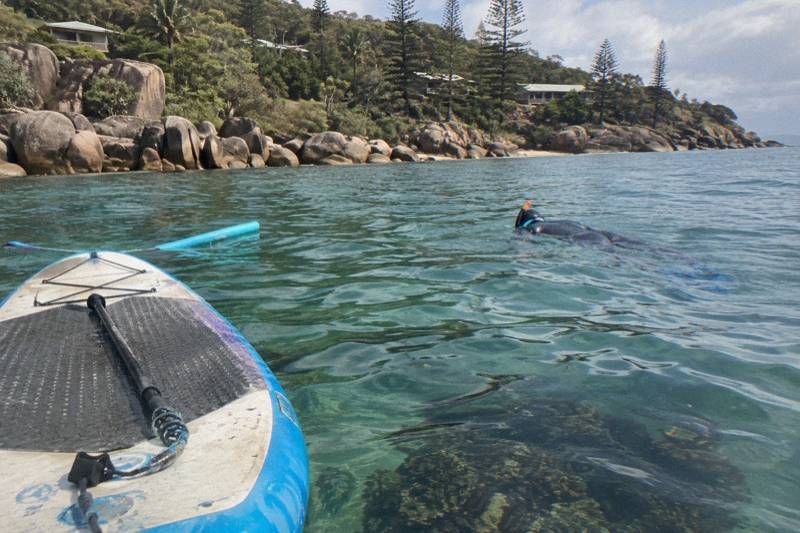
Best Time Of Year For Snorkel Trips From Magnetic Island
Seasonal visibility and stinger conditions decide when you should book a Magnetic Island snorkel trip. Here is how the months compare.
Short answer
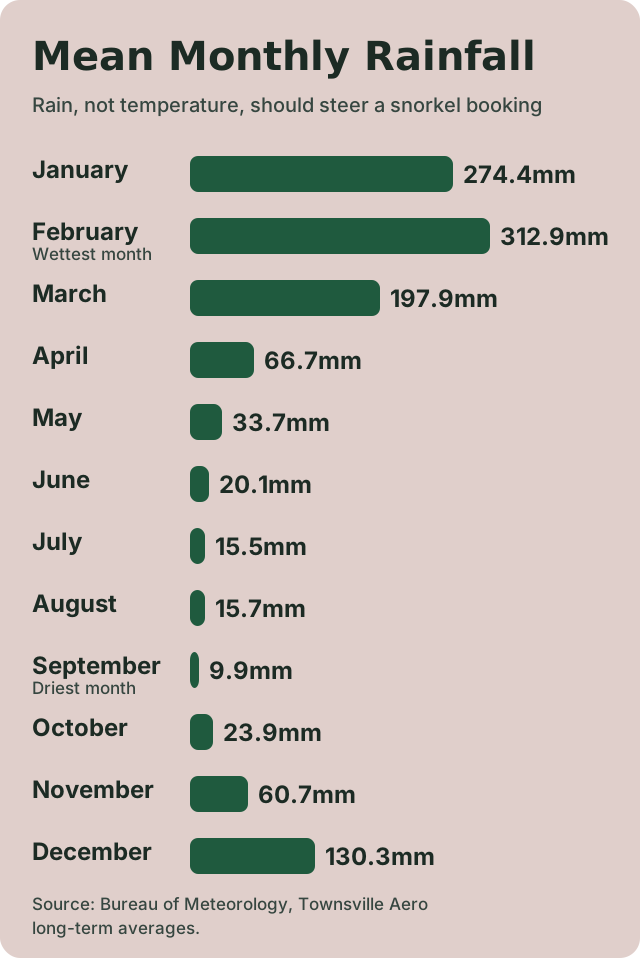
The most comfortable window is May to September, when stinger season has ended, winter trade winds keep conditions mostly fine and rainfall drops to a fraction of the summer peaks. November to May is marine stinger season, so suits and nets matter more than the calendar. Townsville mean rainfall falls from 312.9mm in February to 2.2mm in September.
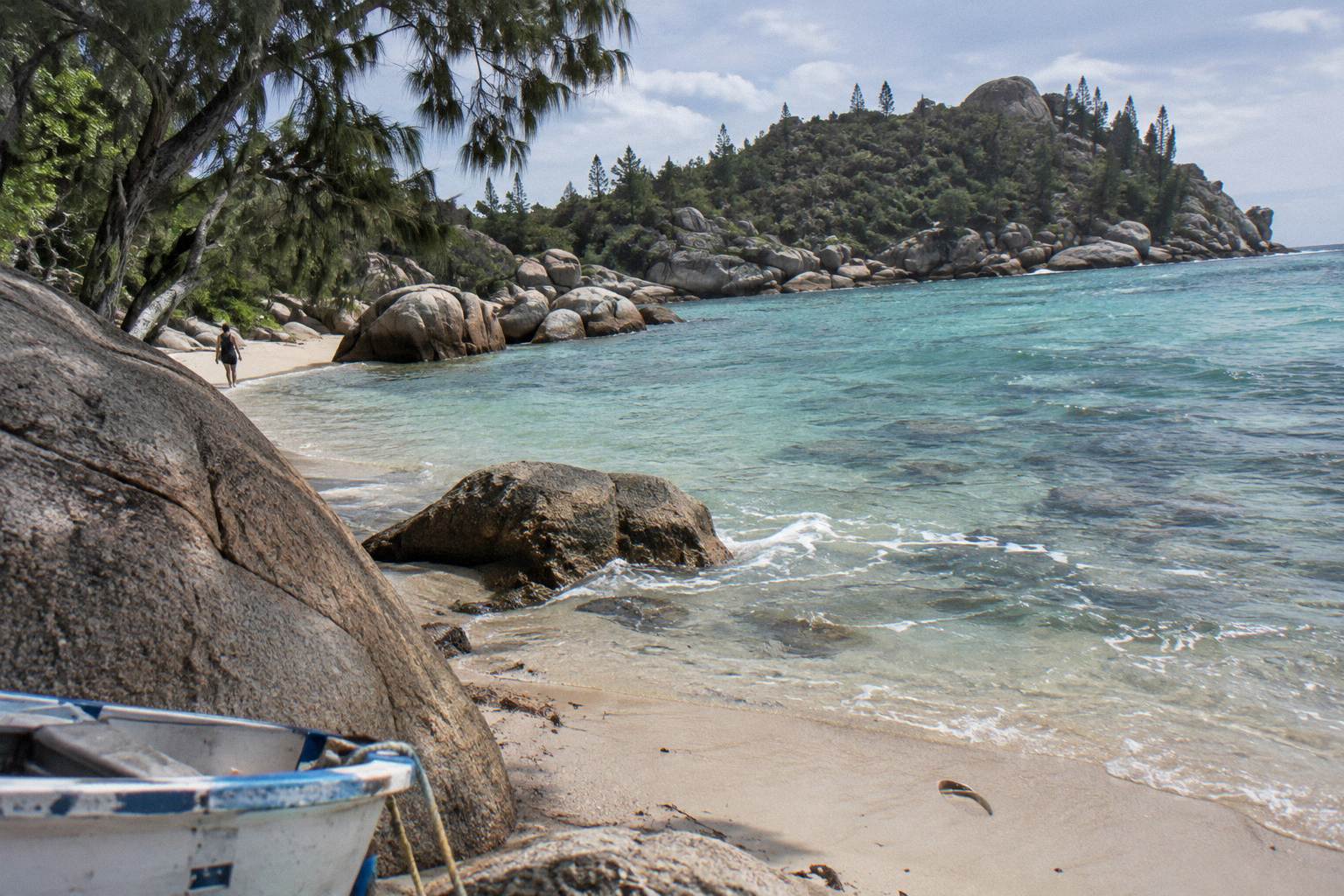
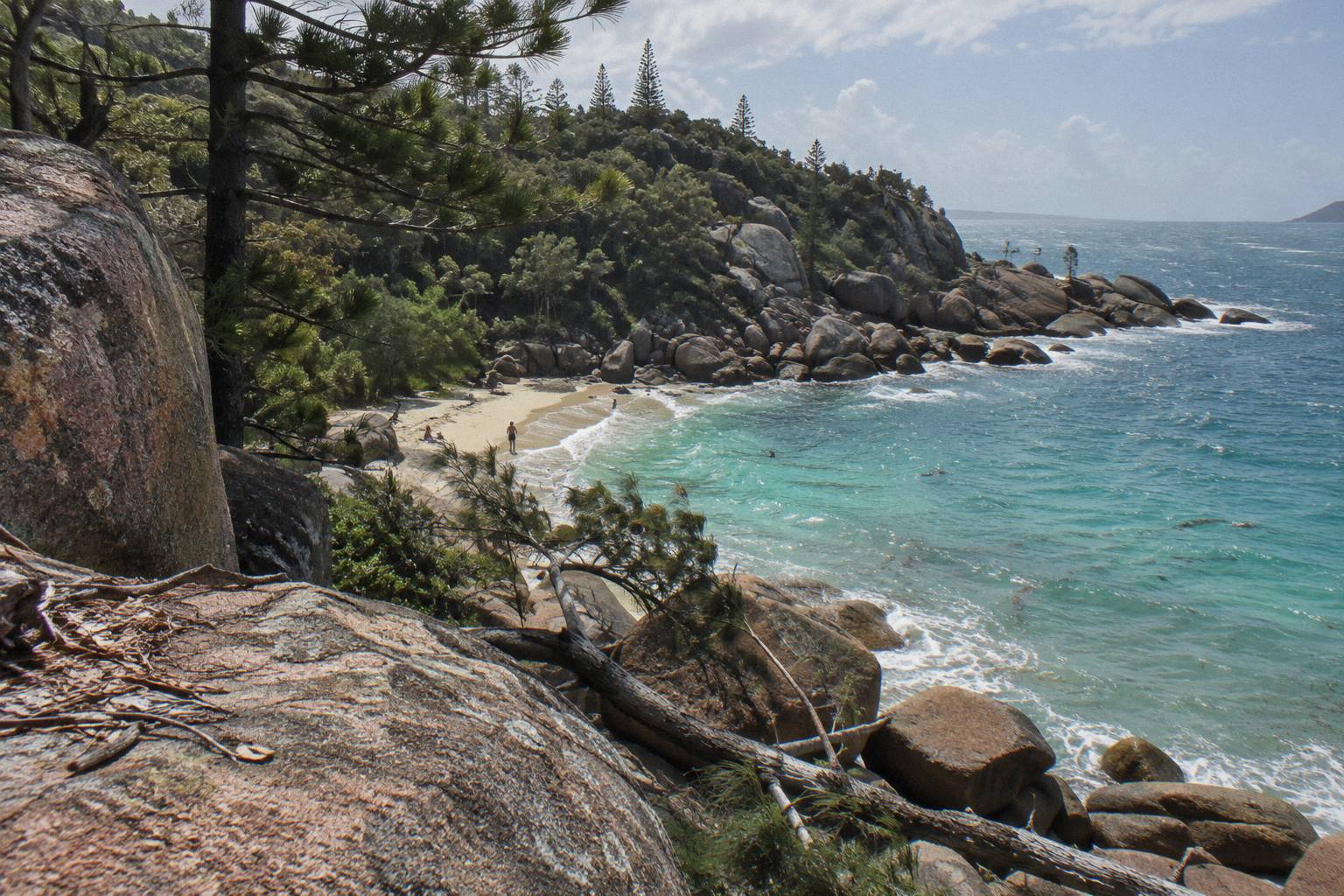
Magnetic Island sits inside the Great Barrier Reef World Heritage Area, and most of its snorkelling happens on fringing reefs you can reach straight off a beach or a short boat ride from Nelly Bay. Queensland Parks and Wildlife names Arthur Bay and Florence Bay as the ideal spots, where the fringing reef is accessible directly from the sand. When you go, though, changes the trip more than where you go. Two forces dominate the calendar: the marine stinger season that runs from November through to May, and the winter trade winds that bring months of dry, mostly fine weather. This guide works through both, month by month, using long-term Bureau of Meteorology averages for Townsville so you can judge the trade-offs yourself.
When Is The Best Time To Snorkel On Magnetic Island?
The best months for a Magnetic Island snorkel trip are May through September. Stinger season ends on 31 May, mean rainfall drops from 66.7mm in April to single digits by August, and the winter months bring mostly fine weather under south-east trade winds. September is the driest month on record at 9.9mm mean rainfall, with mean daily maximums still at 27.9 degrees.
That window is not the only workable one. Plenty of snorkellers visit between November and April, and the island's swim tours handle the season by supplying stinger suits and swimming inside stinger nets where they exist. The Aquascene Snorkel Discovery Tour, rated 4.9 from 301 reviews and from A$179, includes UV stinger suits as seasonal gear and full wetsuits from June to September, so the same trip adapts across the year. The trade-off in the wet months is different: warmer air, warmer water, a lusher island, but a higher risk of box jellyfish and Irukandji, plus heavy rain events that can muddy inshore water.
If your dates are fixed rather than flexible, the honest answer is that any month can deliver a good snorkel day. What changes is your preparation: suit or no suit, net or open water, calm bay or exposed headland. The rest of this guide breaks those differences down so you can match a booking to the month you actually have.
It also helps to separate the two questions people collapse into one. "When is the weather best" and "when is the water best" usually have the same answer here, because the island's water clarity problems are overwhelmingly runoff problems, and runoff follows rain. But "when is the water warmest" points the other way entirely, to the summer months, and travellers who feel the cold genuinely prefer a February swim to a July one. Knowing which of those three questions you are actually asking narrows the calendar fast.
What Do Townsville's Monthly Averages Say About Snorkel Conditions?
February is the wettest month at a mean of 312.9mm of rain over 12.7 rain days, while September averages just 9.9mm over 1.2 days. Mean daily maximums stay warm all year, from 25.2 degrees in July to 31.6 in December, and mean minimums bottom at 13.9 in July. Rain, not temperature, is the number that should steer a snorkel booking.
These are Bureau of Meteorology long-term averages from the Townsville Aero station, the closest reliable climate record to the island. They describe decades of weather, not a forecast, but they show the pattern clearly: a wet season that builds through January and February, tapers through autumn, and gives way to a bone-dry winter and spring. For planning purposes they are the most honest numbers available, because they carry no operator's incentive to flatter any particular month.
| Month | Mean Max (°C) | Mean Min (°C) | Mean Rain (mm) | Mean Rain Days (≥1mm) |
|---|---|---|---|---|
| January | 31.5 | 24.4 | 274.4 | 11.7 |
| February | 31.2 | 24.2 | 312.9 | 12.7 |
| March | 30.8 | 23.1 | 197.9 | 9.7 |
| April | 29.7 | 20.8 | 66.7 | 5.3 |
| May | 27.7 | 17.7 | 33.7 | 3.6 |
| June | 25.7 | 14.8 | 20.1 | 2.4 |
| July | 25.2 | 13.9 | 15.5 | 2.0 |
| August | 26.2 | 14.8 | 15.7 | 1.4 |
| September | 27.9 | 17.5 | 9.9 | 1.2 |
| October | 29.6 | 20.8 | 23.9 | 2.9 |
| November | 30.9 | 23.0 | 60.7 | 4.9 |
| December | 31.6 | 24.2 | 130.3 | 7.4 |
Read the middle column of that table the way a snorkeller would. April to November is the low-rain half of the year, and within it June through October averages fewer than three rain days a month. Every metre of visibility you lose after heavy rain comes from runoff, and the island's bays sit close to mainland river mouths on the Townsville side, so a big February downpour can affect inshore water for days. If you want the deep-water version of the question, our piece on whether you can see the Great Barrier Reef on a snorkel tour covers the full-day options that run further offshore.
Averages also hide the shape of tropical rain, which matters for how you read them. A month with 312.9mm of mean rainfall is not a month of drizzle: it is typically a handful of intense falls, often late in the day or overnight, separated by long sunny spells. Visitors are regularly surprised that even the wettest months deliver plenty of swim-capable mornings. The risk is not that February is unswimmable, it is that any given week in February can be disrupted, which is a scheduling problem rather than a swimming one.
Three trips cover most timing situations. The Aquascene Snorkel Discovery Tour, detailed on its tour page here, is the island-based half-day style option with paddleboards and glass-bottom boogie boards thrown in. The Great Barrier Reef Cruise from Townsville or Magnetic Island, 4.7 from 105 reviews and from A$394, runs ten hours to the central reef with lunch and full-length suits included. The MOUA & Reef Snorkel Experience, 4.5 from 84 reviews and also from A$394, adds the Museum of Underwater Art to the offshore day.
How Does Stinger Season Change A Snorkel Trip?
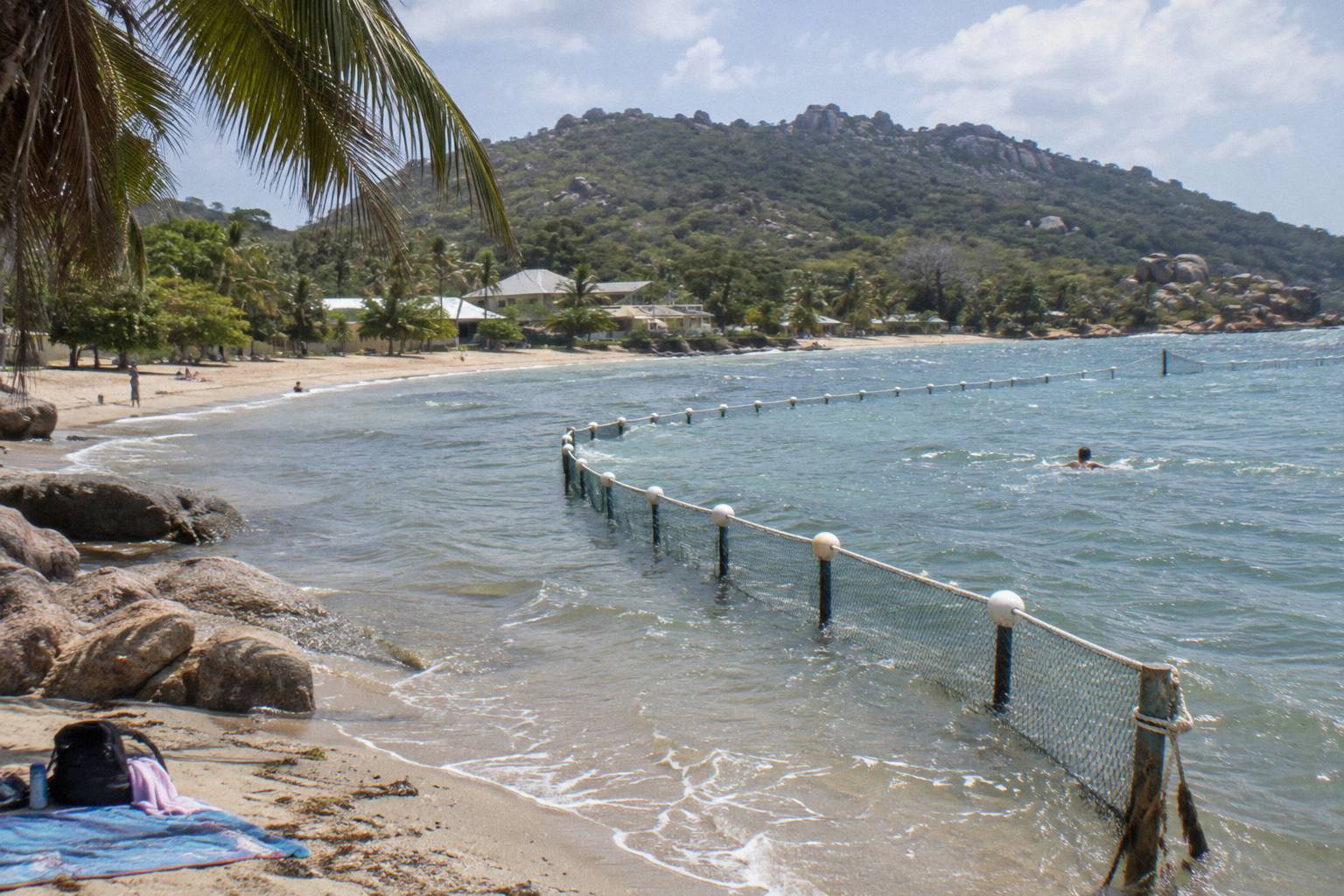
Marine stinger season runs from 1 November to 31 May. During those months Surf Life Saving Queensland warns the risk from box jellyfish and Irukandji is higher, stinger nets are installed at patrolled beaches, and the advice is to swim inside nets or wear a full-body stinger suit. Stingers may be present outside the season too, so suits are supplied on island swim tours year-round as conditions require.
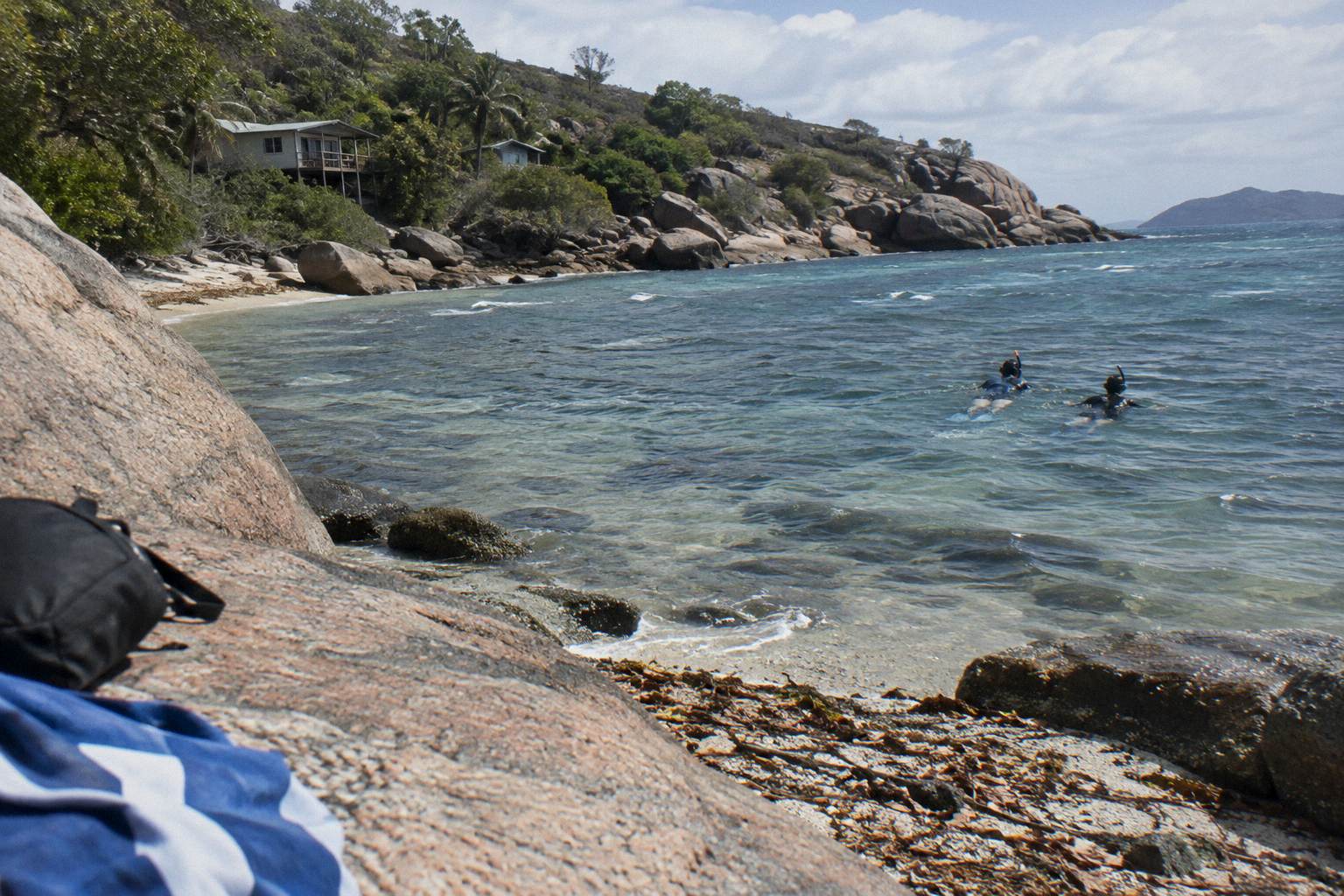
The season is not a vague guideline. Townsville City Council installs stinger nets at many beaches from 1 November and removes them only after the season ends and 14 consecutive days of net drags find no stingers. On Magnetic Island, Horseshoe Bay has one lifeguard and stinger nets in use, patrolled every day from 8:15am to 4:15pm. Picnic Bay also has nets in use with volunteer patrols from 1 September to 31 May. Alma Bay has a lifeguard on the same hours; net status there has been reported inconsistently, so treat Alma Bay as patrolled but check locally before swimming outside a tour.
| Factor | Stinger Season (Nov–May) | Off Season (Jun–Oct) |
|---|---|---|
| Stinger risk | Elevated, box jellyfish and Irukandji | Lower, but stingers possible all year |
| Swim location | Inside stinger nets or with a tour | Open bays and reef sites |
| Suit on tours | UV stinger suits supplied seasonally | Wetsuits June to September |
| Lifeguards | Daily patrols 8:15am to 4:15pm at Horseshoe Bay and Alma Bay | Same patrol hours apply |
| Rain and runoff | Wet season, heaviest Jan–Mar | Dry, mean rain under 34mm a month |
For a fuller treatment of the suit question, read whether you need a stinger suit to snorkel here. The short version for timing: a booked tour largely solves the problem for you, because operators track daily conditions, supply the right suit, and choose sites accordingly. Independent beach snorkelling in the wet months is the scenario that demands the most care.
One point worth internalising is that stinger season and the wet season overlap almost exactly, which is why they get conflated. They are separate phenomena with separate causes. Jellyfish risk is about water temperature and life cycles; runoff is about rainfall. The overlap means November to April carries both considerations at once, and June to October carries neither at full strength, which is precisely why the dry half of the year is the easy recommendation for a first visit.
What Are Winter Months Like For Snorkelling?
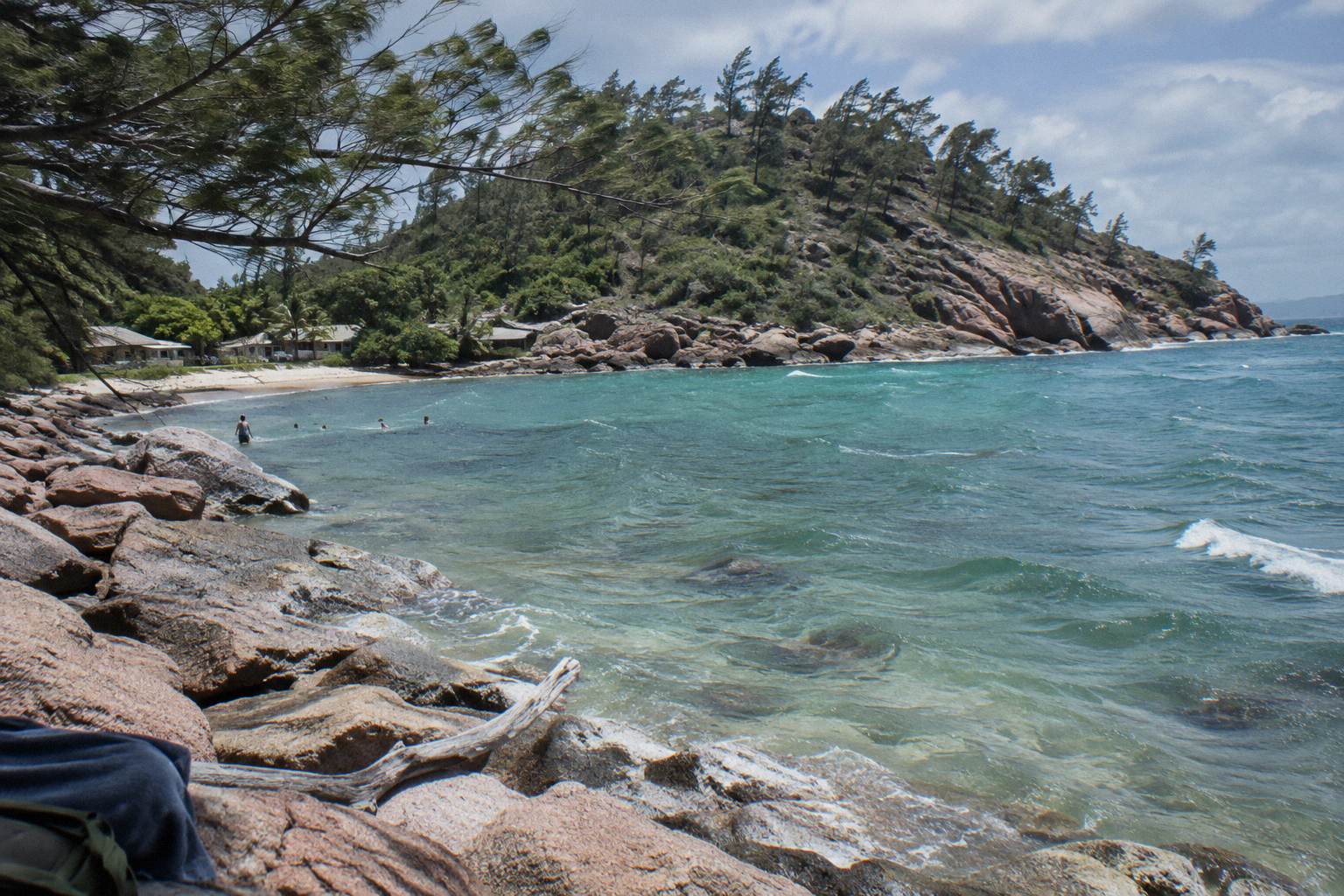
Bureau of Meteorology climate notes say the winter months are dominated by south-east trade winds and mostly fine weather. For Magnetic Island that means June to August brings the driest, most stable stretch of the year, with mean maximums of 25 to 26 degrees and rain days averaging just 1.4 to 2.4 a month. The trade-off is exposed windward shorelines and cooler mornings.
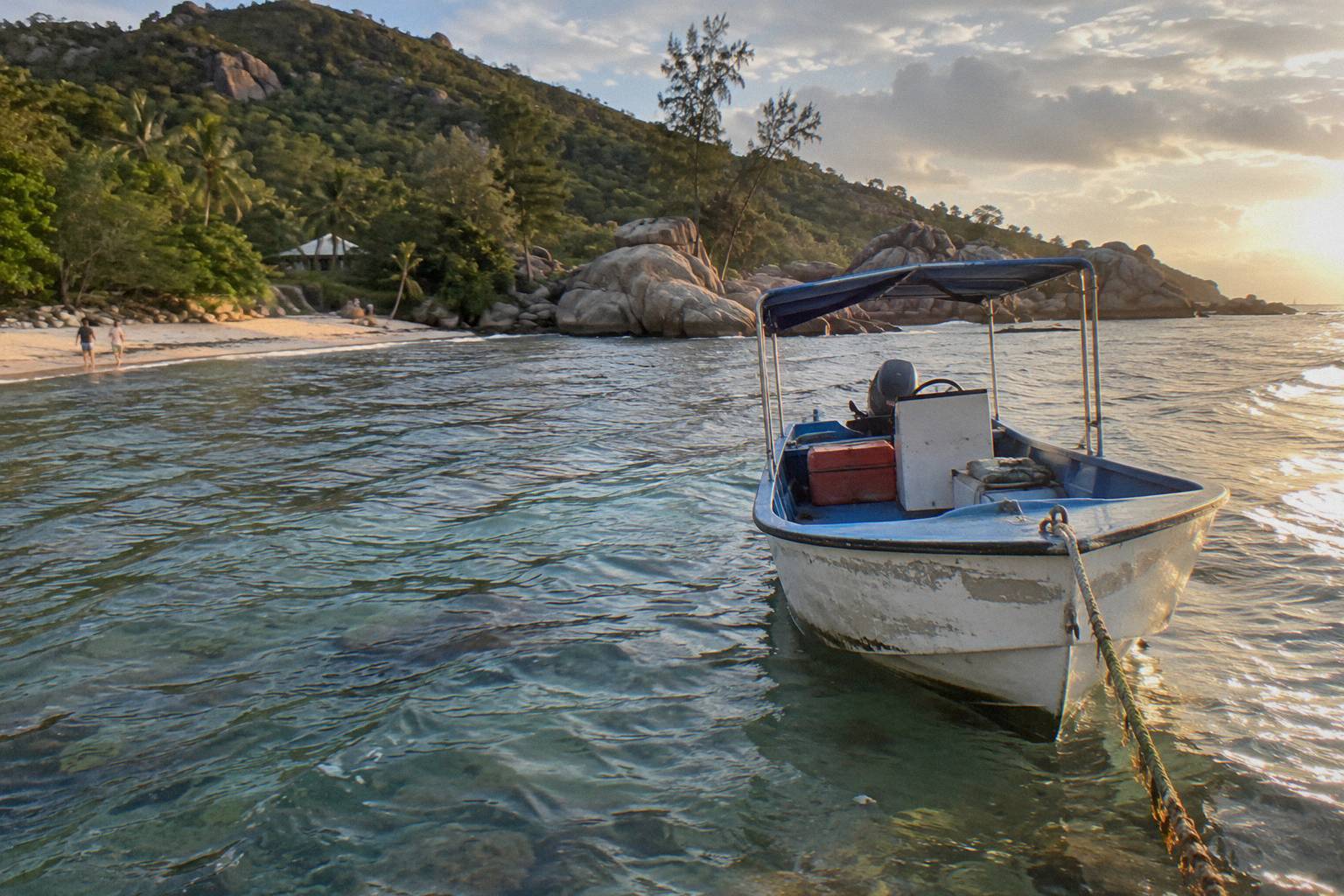
Trade winds are the one winter complication worth planning around. A steady south-easterly flattens some bays and churns others, and the bays that face the wind can lose visibility or become unpleasant for beginners. Sheltered north-facing bays and leeward sites hold up better, and boat tours simply pick the side of the island that is working on the day. The Aquascene circumnavigation boat tour, 4.8 from 22 reviews and from A$179, works on exactly that logic, moving around the coastline with gear for swimming, paddleboarding and glass-bottom viewing included.
Winter is also the season the Aquascene listings describe as a bonus whale watching window, June to September. Humpbacks move along this coast in those months, and the booking page frames whales as a seasonal extra rather than a promised sighting, which is the honest way to hold it: some trips see them, none can guarantee them. Treat whales as a possible upside of a winter booking, never the reason for one. Turtles and reef fish are present year-round on the fringing reefs at Arthur Bay and Florence Bay, but no operator can promise an encounter on any given day.
Which Months Have The Clearest Water?
No official visibility figure exists for Magnetic Island's bays, and no government source publishes monthly water clarity data, so any precise claim should be treated with suspicion. What can be said is that clarity follows the rain: the dry months of June to October mean less runoff, and the February to March wet season means more of it. Wind direction does the rest.
This is the question every snorkeller asks and the one with the least official data behind it. The Bureau of Meteorology publishes monthly sea temperature averages for some stations, but not for this part of Cleveland Bay, and no validated monthly visibility record for the island's bays exists on any official page we could find. Anyone quoting exact visibility metres by month for Magnetic Island is estimating. Where the best snorkelling is on the island depends more on the day's wind and the recent rain than on the month.
What you can do with the real numbers is reason in probabilities. Mean rainfall of 9.9mm in September, 15.7mm in August and 15.5mm in July means very little freshwater coming off the catchment, so inshore reefs get their longest undisturbed runs. By contrast, February's 312.9mm mean and March's 197.9mm arrive in concentrated falls, and a single event can discolour bays for days afterwards even when the rest of your week is sunny. The practical move in the wet season is booking the trip early in your stay, so a rescheduled day still fits, and preferring boat trips that can move to clearer water over a fixed beach. The rest of the planning pages sit on Magnetic Island Tours.
A ten-hour reef cruise is the season-proof option. It runs to the central Great Barrier Reef well away from island runoff, includes a full-length suit, lunch and reef ecology talks, and carries floating devices for novices. If inshore clarity is the worry, distance is the cure.
Which Tours Suit Which Season?
Match the trip style to the month. In stinger season, favour tours that supply UV stinger suits and swim at managed sites. In winter, boat tours that can move around the island handle the trade winds. Shoulder months, April to May and September to October, suit everything, including the full-day offshore reef trips where calm windows matter most.
| Trip | Style | Season Fit | Key Inclusions |
|---|---|---|---|
| Aquascene Snorkel Discovery | Island-based boat snorkel | All year, suits seasonal | Gear, wetsuits Jun–Sep, morning tea, from A$179 |
| Great Barrier Reef Cruise | 10-hour offshore snorkel | Best in calmer months | Suit, lunch, reef talks, from A$394 |
| MOUA & Reef Snorkel | 10-hour offshore with underwater art | Calm months | Buffet lunch, MOUA, from A$394 |
| Aquascene Circumnavigation | Island loop with swim stops | All year, weather-led | Snorkel gear, paddleboard, whale bonus Jun–Sep, from A$179 |
The offshore day trips deserve a note on timing beyond the calendar. Ten hours on open water is a different proposition in a fresh trade wind than in a glassy September morning, and operators cancel or reschedule when conditions exceed their limits. That is not a reason to avoid them in winter, it is a reason to keep a flexible day in your itinerary around the booking. The MOUA trip, 4.5 from 84 reviews, includes morning and afternoon tea plus a buffet lunch, so the day is well provisioned regardless.
For families travelling in the hotter months, the guide to travelling around Magnetic Island without a car matters here too, since several snorkel tours include ferry tickets or meet right at the Nelly Bay terminal, which removes the hardest piece of wet-season logistics.
What Changes Month By Month For A Snorkel Trip?
Each month trades something for something else: January and February offer the warmest water but the most rain, stingers and runoff; June through September offer the driest, safest conditions with cooler mornings; and the shoulder months of April, May, October and November split the difference with warm days, light rain and manageable stinger risk if you swim with a tour.
This is the table to screenshot if you only skim the rest of the guide. It compresses everything above into a single view of what each part of the year asks of you and what it gives back. Nothing in it is a forecast; it is the long-term pattern, and the reason it is worth reading closely is that the trade-offs are genuine in both directions. Summer visitors are not wrong to come, they are simply choosing warmth and green island scenery over clarity and easy safety margins.
| Months | Conditions | What It Means For Snorkelling |
|---|---|---|
| Jan–Feb | Mean rain 274–313mm, max 31°C+, stingers | Warm water, runoff risk, book tours with 24-hour cancellation and suits |
| Mar–Apr | Rain tapers 198mm to 67mm, stingers to 31 May | Improving clarity late in April, transitional and often underrated |
| May–Jun | Stinger season ends, rain 34mm to 20mm, trade winds begin | Prime window opens; suits switch from stinger suits to wetsuits |
| Jul–Aug | Driest stretch, mean max 25–26 °C, fresh south-easters | Clearest inshore water; shelter from wind matters for beach swims |
| Sep–Oct | Driest month then a slow warm-up, rain 10–24mm | Arguably the best all-round snorkel months of the year |
| Nov–Dec | Stinger nets back from 1 November, rain climbs 61mm to 130mm | Warm and swimmable, but nets, suits and runoff planning return |
March and April deserve a special word, because they are the most underrated snorkel months on the island. The heavy falls are mostly over by April, when mean rainfall drops to 66.7mm across 5.3 rain days, yet the crowd surge of the dry season has not arrived and the water is still warm from summer. Stinger season still runs to 31 May, so this remains a tour-first or net-first window, but travellers who take it often get the best of both halves of the year. September and October carry a similar argument from the other side, with the added benefit of being the driest and among the warmest of the dry months.
How Should You Book Around Weather And Cancellation?
Book early, then pick operators with free cancellation up to 24 hours before start. The Aquascene snorkel and circumnavigation trips, both reef cruises and the MOUA trip all carry 24-hour free cancellation. Aquascene also states it will contact you to cancel, offer an alternative date, or give a full refund when weather stops a trip running.
This is where timing strategy beats timing luck. Every month of the year on Magnetic Island can produce both a perfect snorkel morning and a trip-cancelling blow, and the difference between a ruined day and a rescheduled one is usually the booking terms you accepted. Operators on this lineup with confirmed 24-hour free cancellation include Aquascene on both its listed trips, Adrenalin Snorkel and Dive on the reef cruise and MOUA trips, and the jet ski circumnavigation for the mixed-water travellers. Some tours do not state a cancellation policy; for those, confirm before booking rather than assuming.
Weather policy matters most in exactly the months when the water is warmest. A February booking sits inside the wet season, inside cyclone season, which the Bureau of Meteorology defines as November to April, and inside stinger season all at once. None of that makes February a bad month to visit, it makes February the month to book the refundable option, hold a spare day, and lean on tours rather than independent beach swims. In September the stakes are simply lower on every axis.
A practical booking sequence for any month: check the stinger calendar first, read the operator's cancellation terms second, then place the tour early in your stay so a weather reschedule still fits before you leave the island. Readers planning a first visit can pair this with the one day on Magnetic Island tour plan to see how a snorkel trip slots into a full itinerary, and the ferry timing question is covered in how long the ferry takes and whether a tour fits.
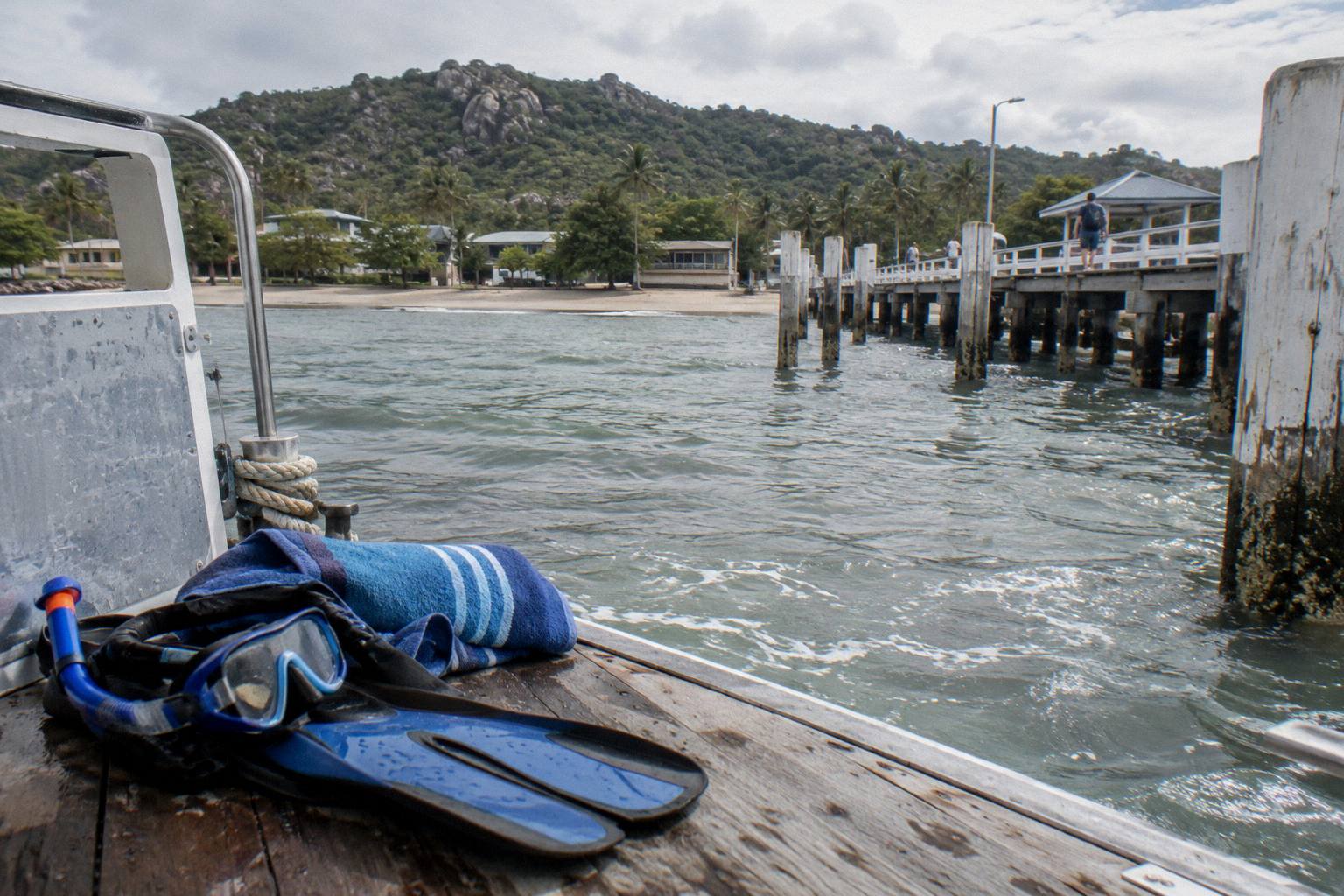
Magnetic Island Tours exists to make these calls easier: pick the month, pick the trip that suits it, and check availability while dates are open.
Common Questions About Timing A Snorkel Trip
When Is The Best Time To Snorkel On Magnetic Island?
May to September is the strongest window: stinger season ends on 31 May, mean rainfall drops to between 9.9mm and 33.7mm a month, and winter brings mostly fine weather. September is the driest month on the long-term record.
Can You Snorkel On Magnetic Island In Stinger Season?
Yes. Swim inside stinger nets at patrolled beaches like Horseshoe Bay, or book a tour, since operators supply UV stinger suits seasonally and choose sites with daily conditions in mind. Stinger season runs from 1 November to 31 May.
Which Month Has The Least Rain On Magnetic Island?
September, with a mean of 9.9mm across 1.2 rain days, followed by August at 15.7mm and July at 15.5mm. These are Townsville long-term averages, the closest official climate record to the island.
Is Winter Too Cold To Snorkel On Magnetic Island?
Not usually. Mean daily maximums run 25.2 to 26.2 degrees from June to August, and tours supply wetsuits in those months. Mornings are cooler, with mean minimums of 13.9 to 14.8 degrees, so midday trips feel balmy.
When Can You See Whales On A Magnetic Island Tour?
The Aquascene listings describe whale watching as a seasonal bonus from June to September. Some trips see humpbacks in those months, but no operator promises a sighting, so treat whales as an upside of a winter booking rather than a guarantee.
Do Snorkel Tours Get Cancelled For Weather?
Sometimes. Aquascene states it will contact you to cancel, offer an alternative date, or issue a full refund when weather prevents a trip, and the major snorkel listings on this site carry free cancellation up to 24 hours before start.