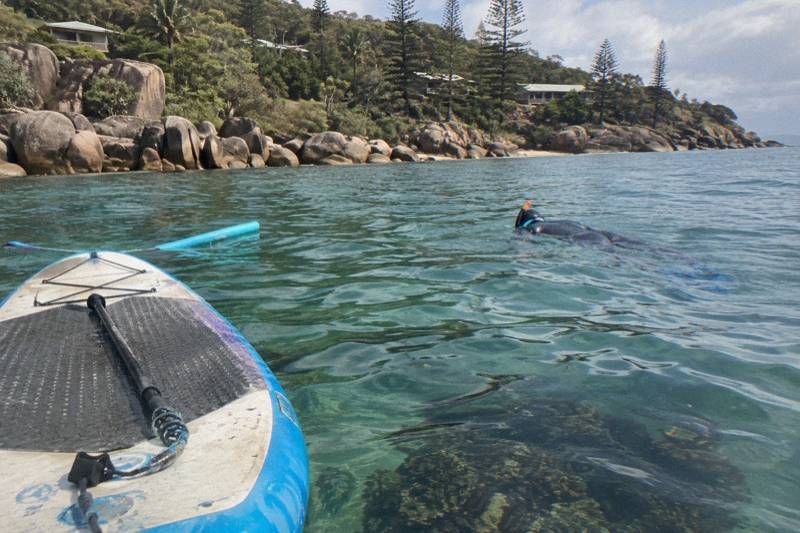
Do You Need A Stinger Suit To Snorkel On Magnetic Island?
Stinger season dates, which beaches have nets, and what gear snorkel tours on Magnetic Island supply, so you can decide whether a stinger suit matters for your trip.
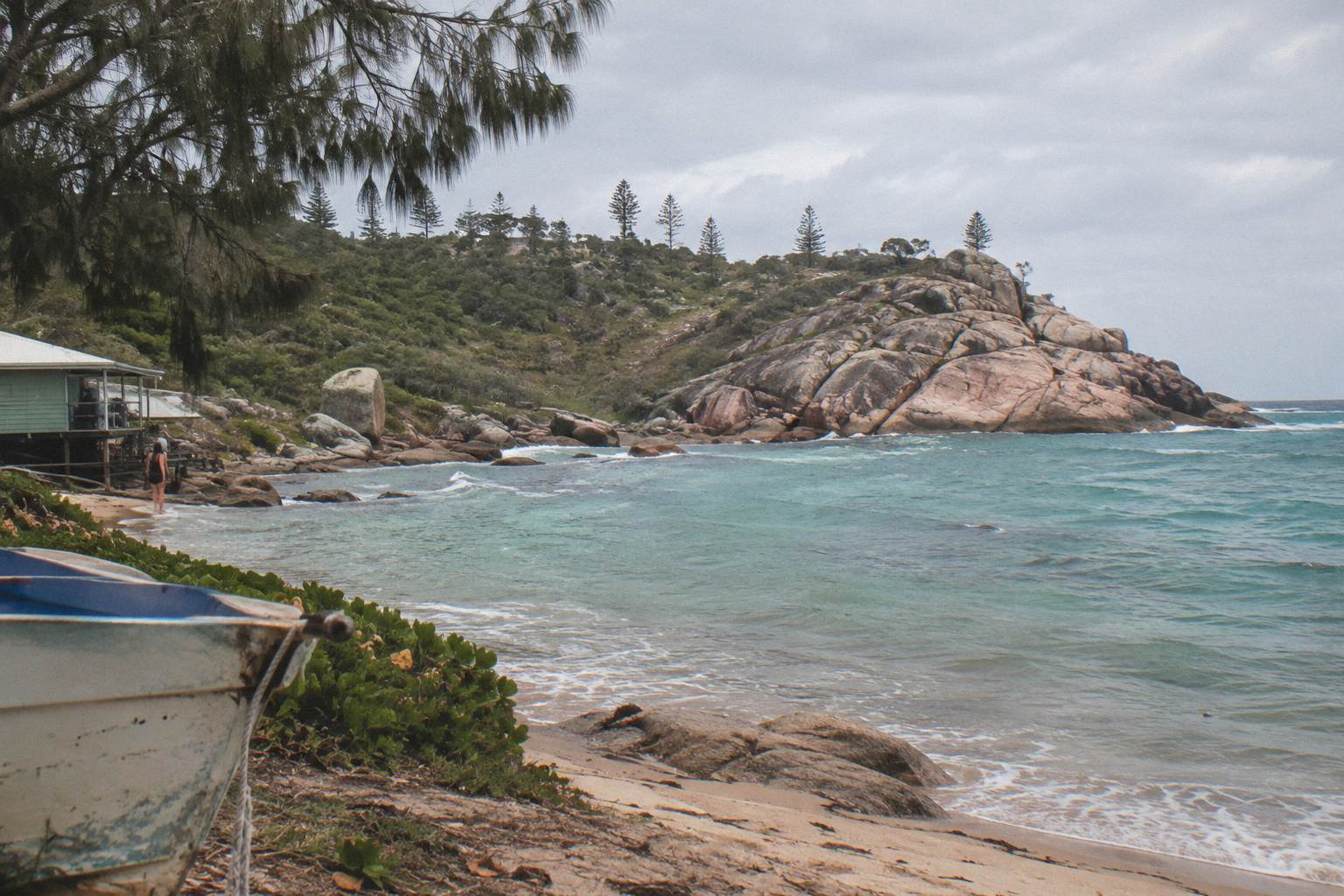
Tropical water, fringing reef straight off the sand, and a latitude of about 19 degrees south: Magnetic Island delivers the postcard version of snorkelling, but it also sits squarely inside the part of Queensland where marine stingers are a real seasonal risk. The Traditional Custodians, the Wulgurukaba "canoe people", know this coast as Yunbenun, and today the island is about 8 km north-east of Townsville inside the Great Barrier Reef World Heritage Area, with 78 percent of its 5,184 ha protected as national or conservation park. People who ask about stinger suits are usually one of two travellers: the swimmer standing on an empty beach in January wondering whether to go in, or the tour booker checking whether the boat will hand them a suit. Both answers live in this article, along with the season dates, the netted beaches, and the gear each tour actually supplies.
There is no rule that forces you into a stinger suit, so strictly speaking you do not need one, but from November through May the official advice for north Queensland waters is to cover your skin, and the risk is why swim tours supply suits in season. Outside those months a suit is mainly sun and scrap protection rather than a medical decision. Your real choice is where and when you swim, not whether the law requires lycra.
That framing matters because the question gets answered badly all over the internet. Some travel copy implies the water is dangerous year round, which overstates the case, and some implies stingers are a myth locals ignore, which understates it. Surf Life Saving Queensland states the position plainly: the risk from box jellyfish and Irukandji is higher during the marine stinger season, which typically runs from November through to May, and stingers may be present all year. Townsville City Council, whose lifeguards patrol two Magnetic Island beaches, frames the season as 1 November to 31 May.
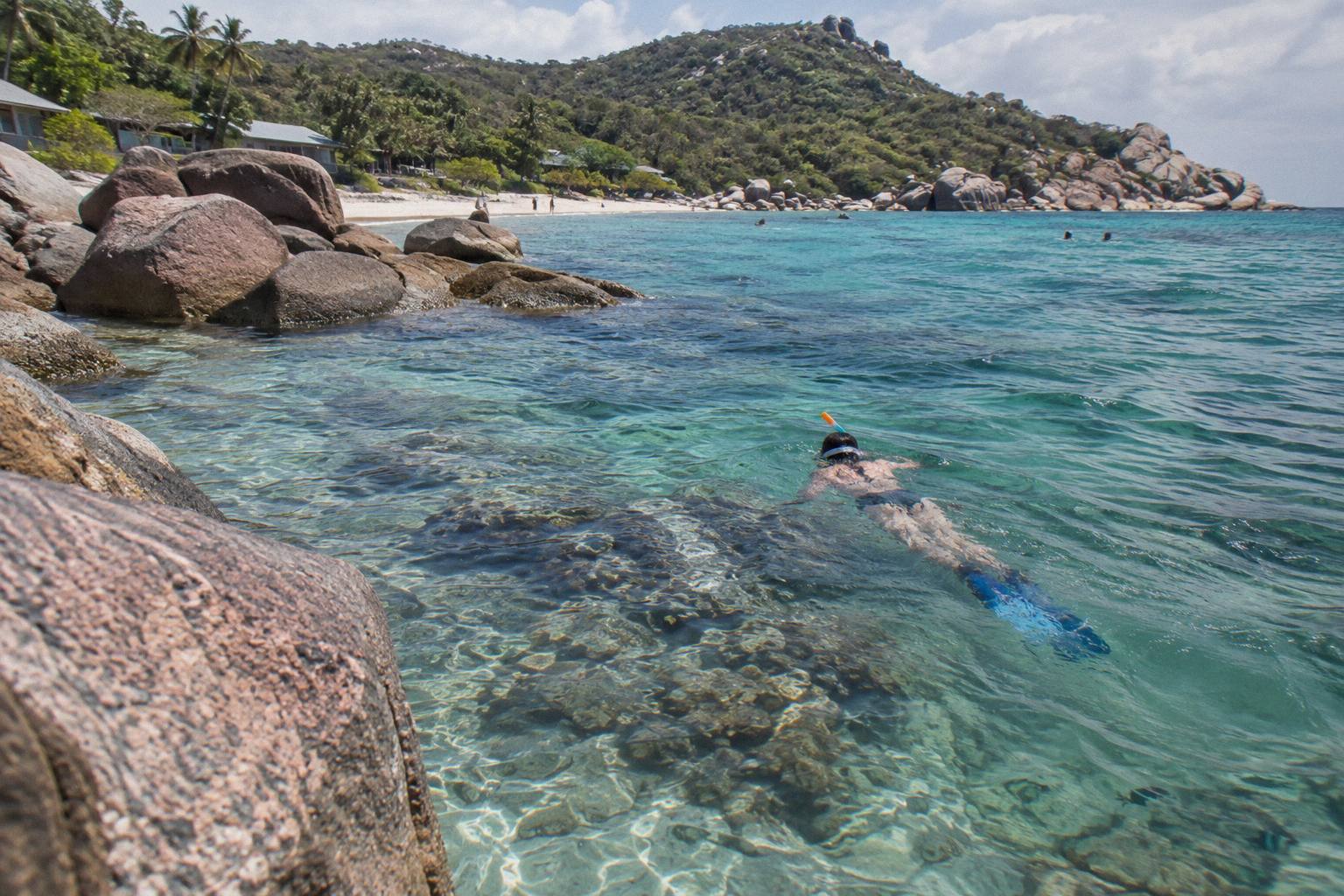
So the honest answer has three layers. First, nobody will stop a competent adult from swimming without a suit at an unpatrolled beach, which is exactly why the suit question deserves a real answer rather than a shrug. Second, in the season, the guidance is to swim at a netted, patrolled beach or wear a full-body suit, and boats that take you snorkelling supply one. Third, outside the season most local swimmers go without, though a lightweight suit still blocks sunburn and coral scrapes, which are the injuries you are statistically more likely to collect.
The type of trip changes the suit question more than most visitors expect. A beach snorkel at a bay like Florence puts you in charge of your own gear decisions, while a boat trip takes the decision out of your hands in a good way: the operator's kit list is on the live booking page before you pay, and the crew hands you the right suit for the month. If stingers are on your mind at all, booking a tour is the simplest way to make the safety decision someone else's well-rehearsed routine.
When Is Stinger Season On Magnetic Island?
Stinger season runs from 1 November to 31 May by Townsville City Council's definition, with Surf Life Saving Queensland describing the typical season as November through to May. That is seven months of heightened risk, a longer window than many southern visitors assume, and it covers the entire Queensland school holidays and the warm water that makes swimming tempting in the first place.
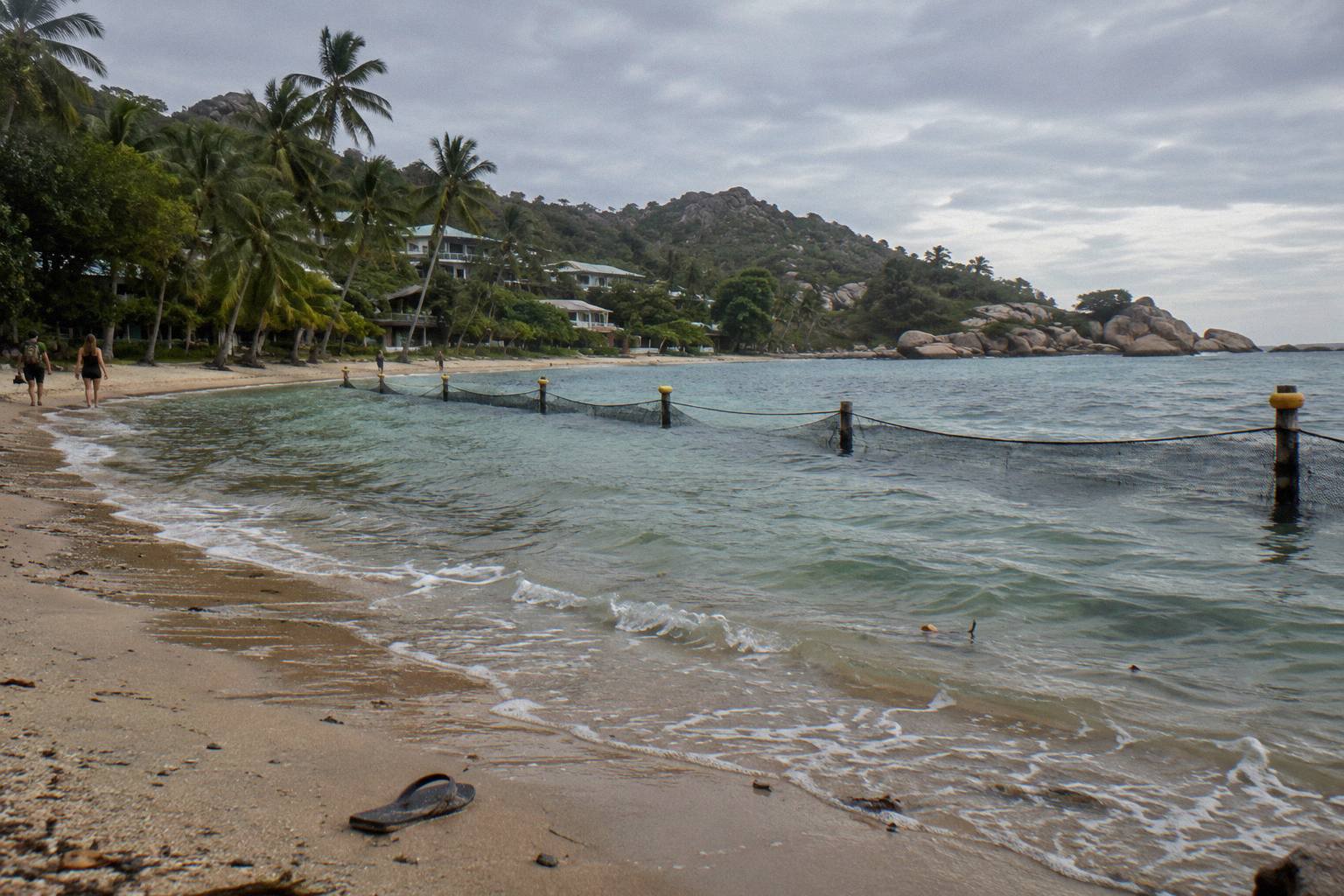
The council's netting schedule is the most concrete official marker: stinger nets are installed at many Townsville region beaches over the season and are only removed after the season ends and after 14 consecutive days of no stingers found in daily net drags. That removal detail is worth knowing because it explains why nets sometimes stay up into June, and why a suit in early June is not paranoia.
What each month actually feels like for a swimmer:
| Period | Stinger risk | Typical swimmer approach |
|---|---|---|
| November to January | Season open, water at its warmest (mean maximum air temps above 31 °C) | Netted beach or full-body suit; boats supply suits |
| February to April | Season continues, heaviest rainfall months (mean February rainfall 312.9 mm) | Same as above; turbid water after rain adds caution |
| May | Final month of the official season | Suits still advised; nets still up |
| June to October | Outside the season; winter dominated by SE trade winds and fine weather | Most swimmers go without; wet suits common June to September for warmth |
Those climate figures come from the Bureau of Meteorology's long-term averages for Townsville, and they explain something the safety pages do not spell out: the stinger season overlaps almost perfectly with the warm-water season, so visitors chasing the most comfortable swimming temperatures are swimming in exactly the months the suits matter. The June to September window, when mean minimums drop to 13.9 °C in July, is the low-risk period, which is also when Aquascene swaps stinger suits for wet suits on its island trips, according to the tour's own inclusion list. Our guide to the best months for snorkel trips unpacks that trade-off in more detail.
A subtle point nobody advertises: stingers, including Irukandji, can be present outside the season, as Surf Life Saving Queensland notes. The season marks elevated risk, not a switch. Locals weight their decisions on it, but a suit is never a silly choice in tropical water, and it doubles as 50-plus sun protection.
Which Beaches Have Stinger Nets And Lifeguards?
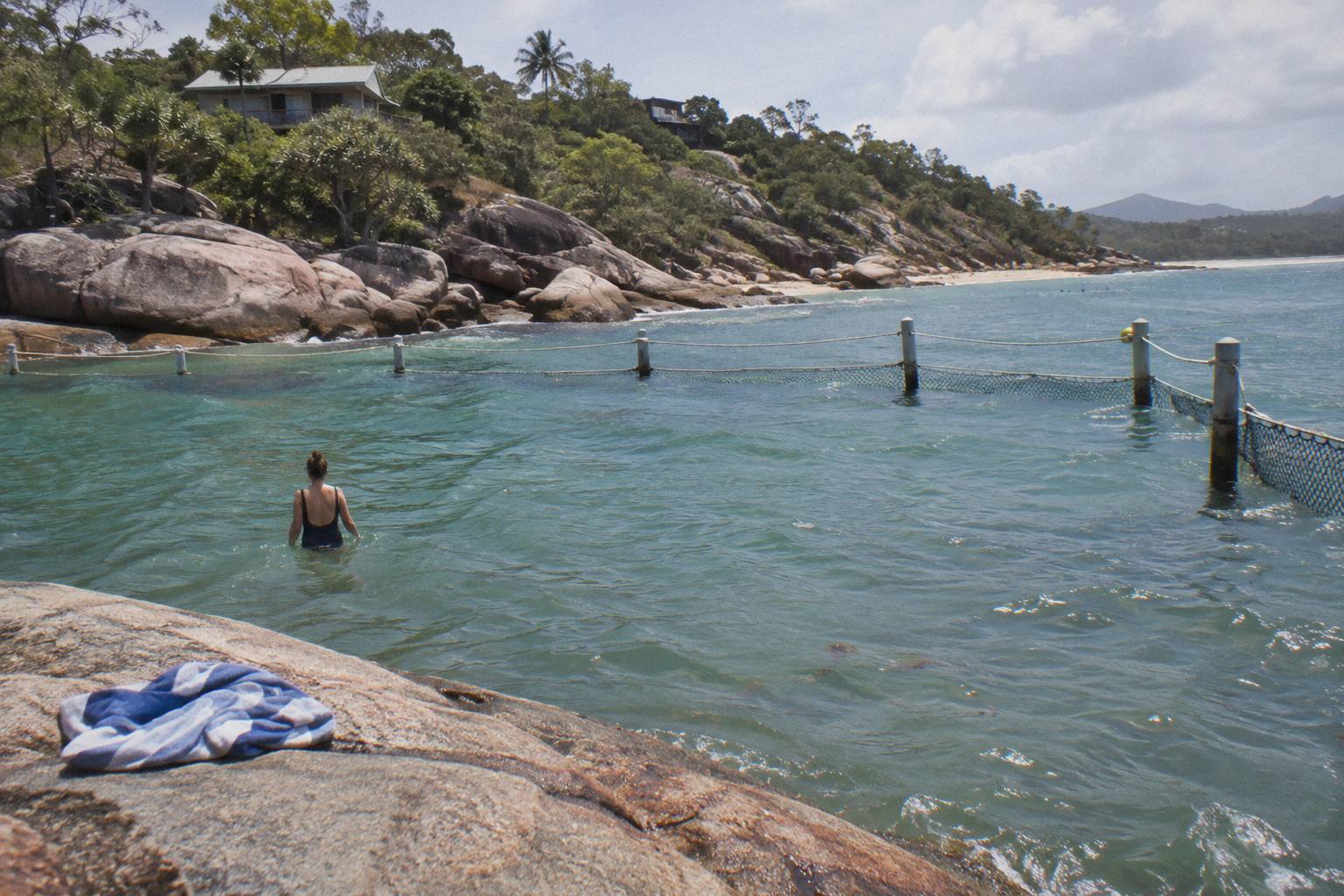
Horseshoe Bay and Picnic Bay have stinger nets, and Horseshoe Bay has a lifeguard every day from 8:15am to 4:15pm. Alma Bay also has a lifeguard on the same hours, though council records conflict on whether nets are in use there, so treat Alma Bay as patrolled but not confirmed netted. The island's other bays have neither nets nor lifeguards.
The netted and patrolled list is short, and that is the single most useful safety fact on the island. Council publishes the detail directly: Horseshoe Bay has one lifeguard and stinger nets in use; Picnic Bay has stinger nets and volunteer patrols from 1 September to 31 May; Alma Bay has one lifeguard, with the council's own records read on different dates giving conflicting information about its nets. Away from those three, you are swimming at your own judgement, which is where a suit, or a boat with a suit, becomes the practical answer.
| Beach | Lifeguard | Stinger nets | Notes |
|---|---|---|---|
| Horseshoe Bay | Yes, every day 8:15am to 4:15pm | Yes | Jet ski tours also depart from here |
| Picnic Bay | Volunteer patrol 1 September to 31 May | Yes | No council lifeguard service |
| Alma Bay | Yes, every day 8:15am to 4:15pm | Conflicting records | Treat as patrolled, nets unconfirmed |
| All other bays (Arthur, Florence, Radical, Balding, Geoffrey, Nelly, West Point) | No | No | Swim at your own judgement; suits advised in season |
A roving lifeguard service also runs systematic patrols of all Magnetic Island beaches by vehicle and jet ski, which extends eyes across the island without turning any extra bay into a patrolled swimming enclosure. Council's lifeguard and stinger season page{: rel="noopener"} carries the current hours.
There is a wrinkle worth facing honestly: the best snorkelling bays are not the netted ones. Queensland Parks and Wildlife Service names Arthur Bay and Florence Bay as ideal for snorkelling, where fringing reef is accessible straight from the beach and you can swim with turtles and a diversity of fish among the corals. Neither has a net or a lifeguard. So the two safest official swim spots and the two best shore-snorkel spots are different places, and in season that gap is filled either by wearing a suit you brought or by joining a trip that supplies one. If you are weighing shore snorkelling against a boat trip generally, our comparison of boat hire versus a guided boat tour covers the other trade-offs.
If the seasonal risk has you leaning toward a guided trip rather than a do-it-yourself beach swim, this is the one question worth settling before you book.
What Gear Do Boat And Snorkel Tours Actually Supply?
Most water tours on the island supply stinger or wet suits as part of the ticket, so on a guided trip the suit question answers itself: the operator decides, based on the month, and hands you the right garment. What varies is the garment, wetsuit versus UV stinger suit, and whether the trip includes it in the base price or as an extra.
The lineup of island trips is fairly transparent about gear, and the pattern is consistent: reef-focused boats cover you fully, and beach-based or hire-based activities cover you less. The differences stack up like this.
| Trip | Suits and skin protection supplied | Season detail |
|---|---|---|
| Aquascene Snorkel Discovery Tour | Wet suits, plus full snorkelling gear | Wet suits in the cooler months, June to September; from A$179 |
| Aquascene Circumnavigation Boat Tour | UV stinger suits (seasonal), wet suits, snorkel gear, flotation aids | Seasonal suits on board; from A$179 |
| Great Barrier Reef Snorkel Cruise | Full-length suit with mask, snorkel and fins, flotation devices | Suit listed in the standard inclusions; from A$394 |
| Snorkel Jet Ski Tour (Poseidon) | Life jacket, bottled water; snorkelling equipment | No stinger suit listed in the inclusions; price shows when you check availability |
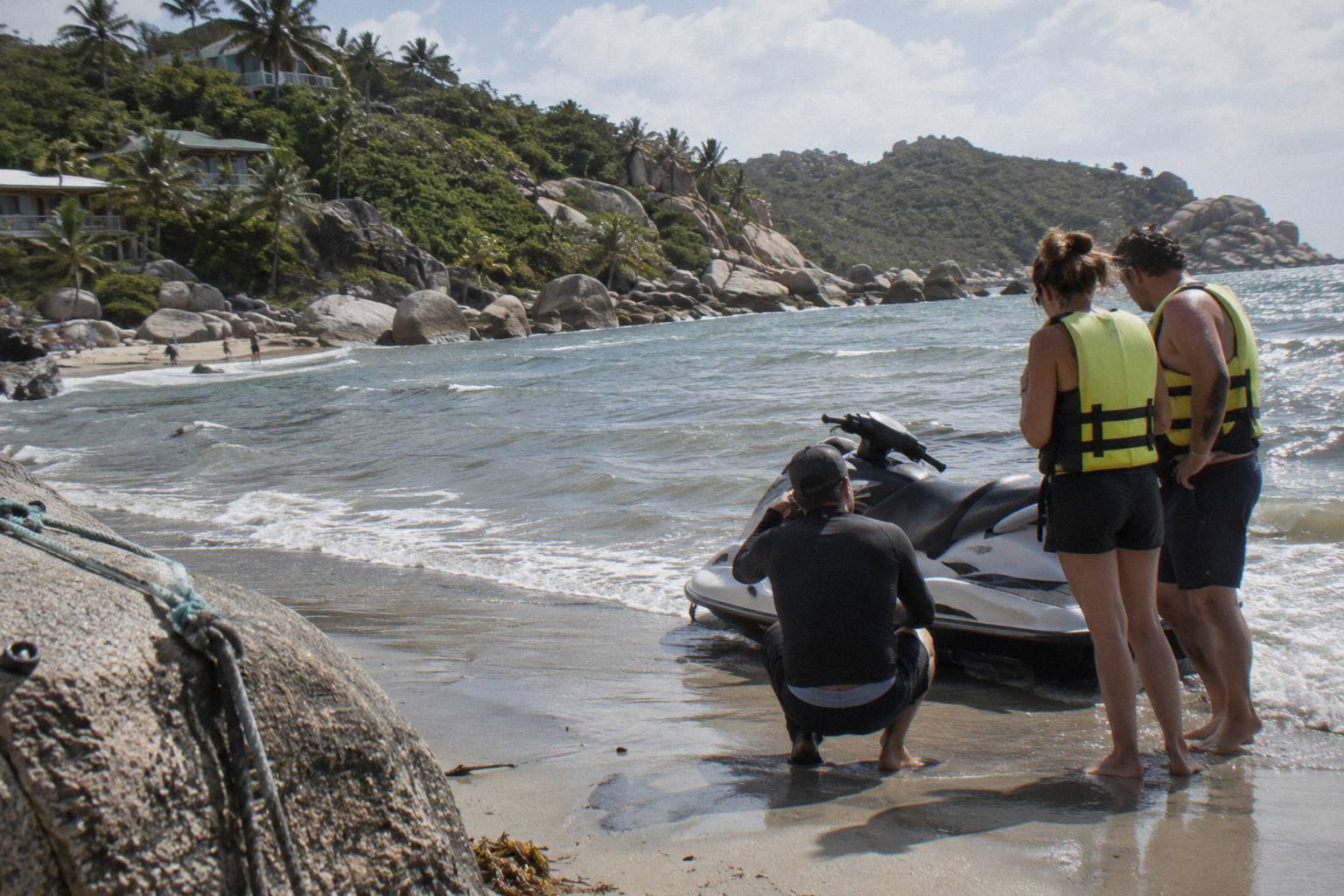
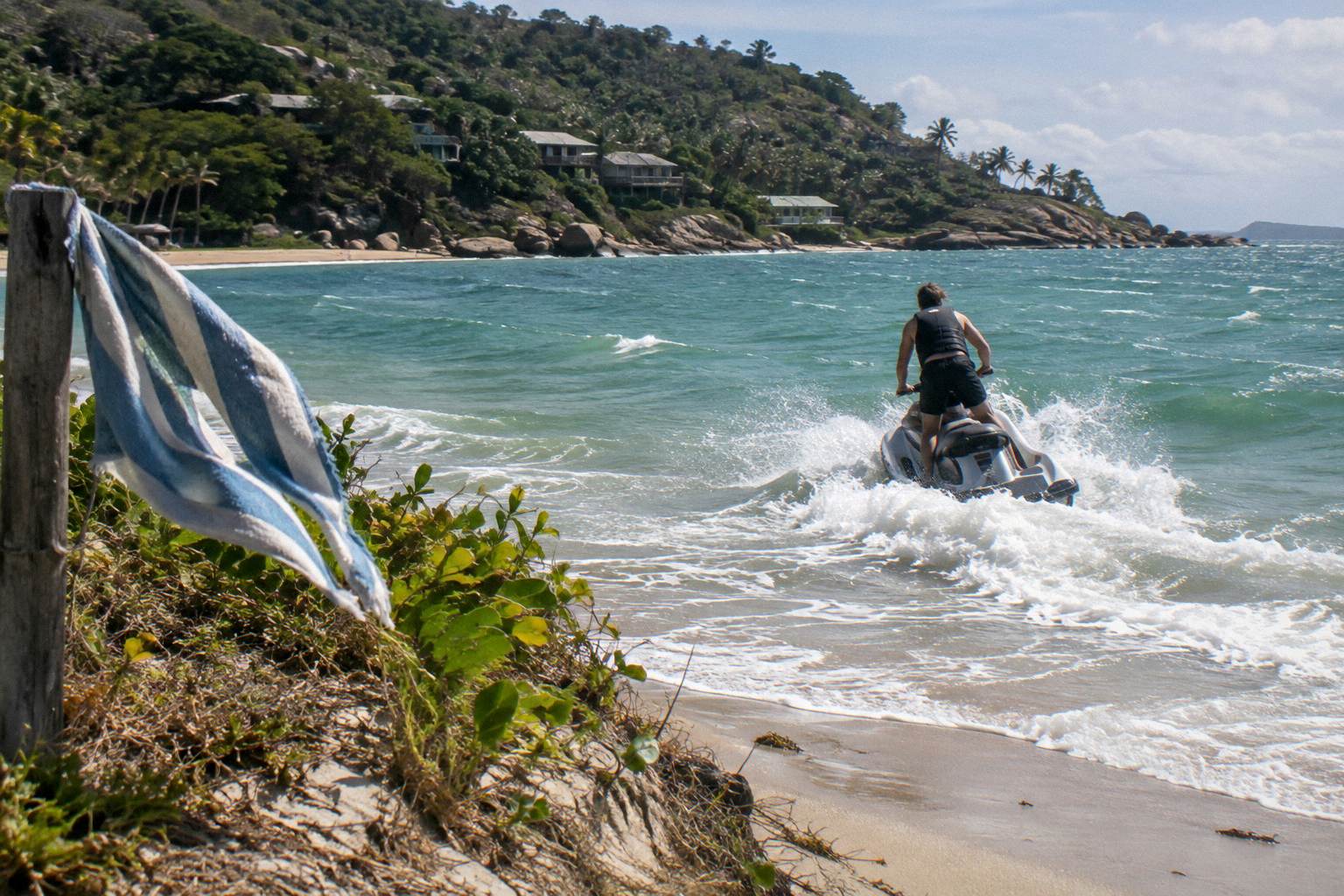
| Jet ski hire (30 or 60 minutes) | Life jackets and stinger pants in the hire area | Stinger pants included; hire only, not a snorkel trip |
Two contrasts in that table are the decision points. The reef cruise from Townsville lists a full-length suit in its standard inclusions, which makes sense for a 10-hour day on open water, though its extras list does add a A$15 per person fuel levy and an optional A$10 snorkel guide. At the other end, a jet ski tour is primarily a riding experience with a swim stop, and its listed inclusions centre on life jackets and safety gear rather than full skin cover, so if you are booking one in the wet season, check the live booking page for what the crew provide at the swim stop. The Aquascene trips sit in the middle and split the year sensibly: UV stinger suits when the season demands them, wet suits when the winter trade winds cool the water.
The Snorkel Discovery Tour is the cleanest example of the gear question dissolving into the ticket. Aquascene boards at Magnetic Island Marina on Sooning St, a short walk left of the Nelly Bay ferry terminal, and the trip runs from A$179 with a 4.9 rating across 301 reviews, including boat cruise, morning tea, a tropical fruit platter, snorkel gear, and wet suits from June to September. Free cancellation applies up to 24 hours before the start.
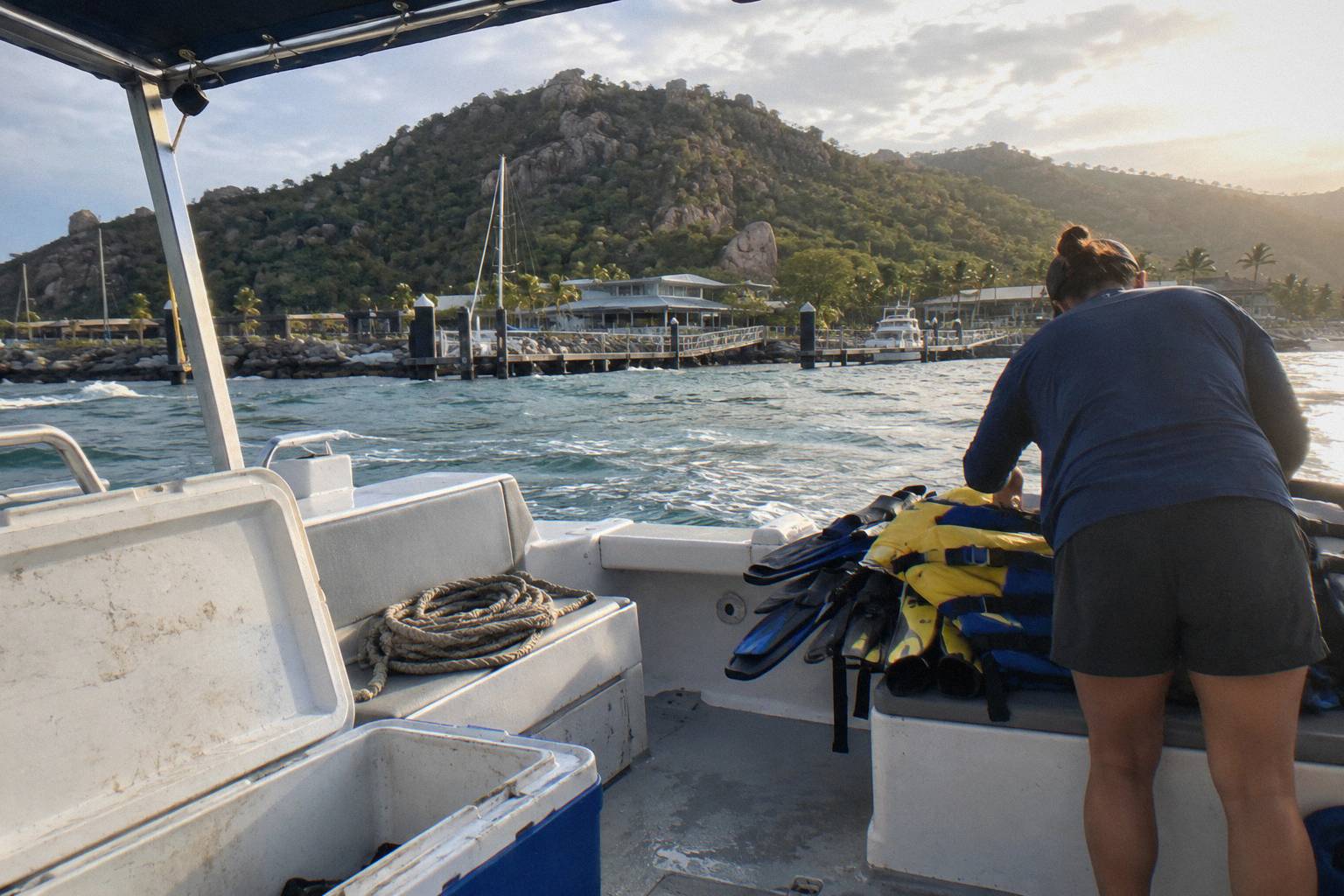
One habit worth copying from the boats, whatever you do: they check the month and the water, not the calendar of last week. The full guide to snorkel gear and stinger suits goes deeper on fit, hire options and what a good suit actually blocks.
Can You Snorkel Without A Suit Outside Stinger Season?
Yes, and most people do: from June to October the stinger risk drops to its annual low, the nets are typically still up at Horseshoe and Picnic Bays as a bonus safeguard, and the dominant comfort issue flips from stingers to cool water, which is why operators hand out wet suits in those months instead. A suit remains useful for sun and coral protection, but it is a preference, not a precaution.
The winter window is genuinely pleasant. Bureau of Meteorology averages for Townsville show July mean maximums of 25.2 °C and mean minimums of 13.9 °C, with the winter months dominated by south-east trades and mostly fine weather, and monthly rainfall collapsing to 15.5 mm in July and 9.9 mm in September. Clear, dry, calm: it is the season locals choose for long swims.
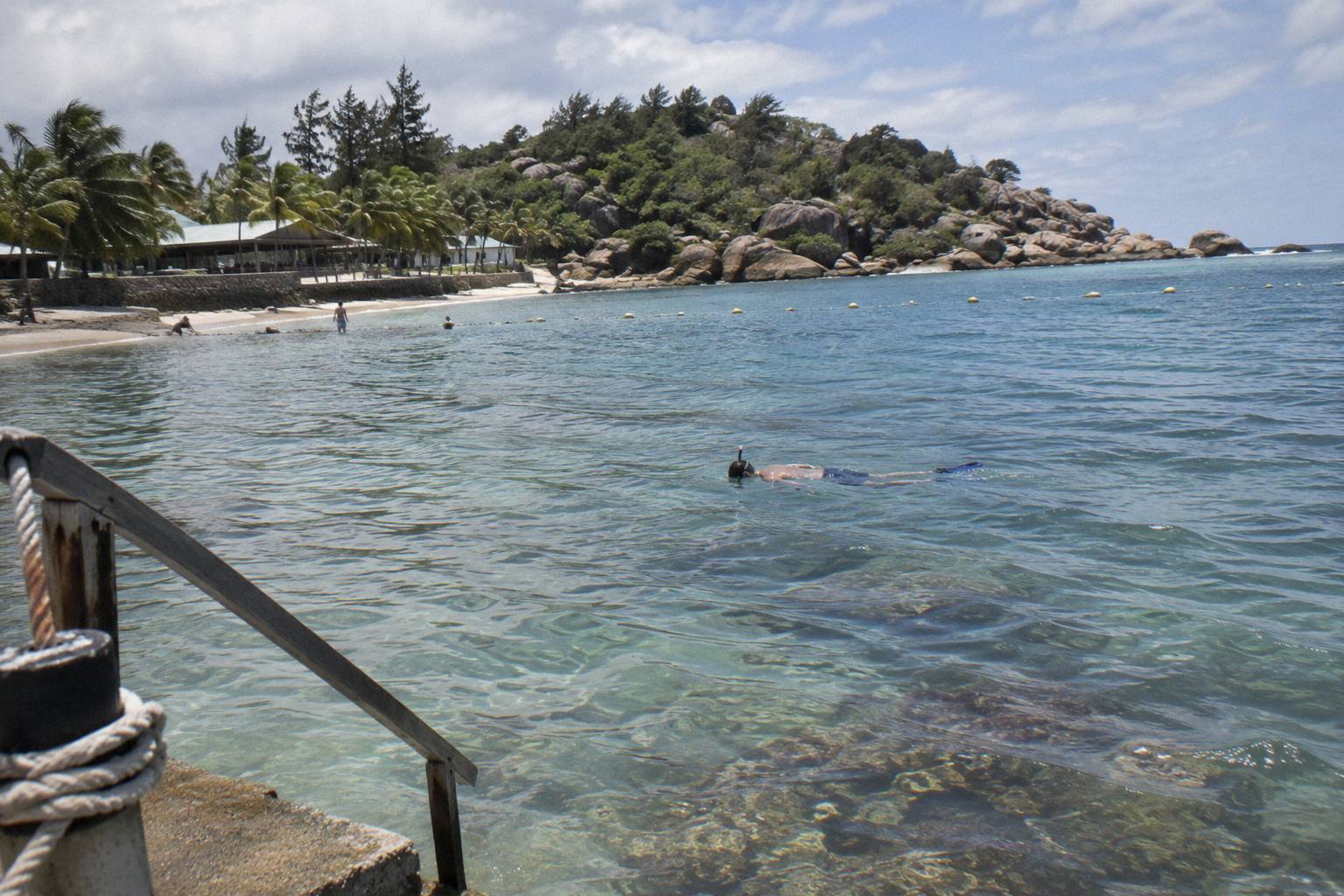
What changes in that window is the reason for covering up. In February a suit is about jellyfish. In July the same garment is about thermal comfort and ultraviolet exposure, and the operators' kit lists reflect the swap. Aquascene's discovery tour carries wet suits from June to September; the seasonal UV stinger suits step back. For a swimmer, the practical read is that outside the season you can walk into Florence Bay or Arthur Bay with mask and fins and no suit, and be making a normal, reasonable choice, as long as you accept the ordinary risks of an unpatrolled beach.
One caution that belongs here and nowhere else in this article: "outside the season" is a risk reduction, not a guarantee. Surf Life Saving Queensland notes stingers may be present all year, and the safety overview for snorkelling the island covers the full risk picture, from currents to crocodile signage. If you want a zero-effort season decision, the rule of thumb locals use is simple: netted beach or suit from November to May, your call from June to October.
What About Box Jellyfish And Irukandji Specifically?
Box jellyfish and Irukandji are the two stinger groups that drive the entire suit recommendation, and both are more dangerous in the November to May window. Box jellyfish cause immediate, severe pain; Irukandji stings may delayed-delay, with symptoms emerging minutes to hours later. Vinegar for at least 30 seconds is the recommended first aid for box jellyfish stings, and urgent medical help for any suspected Irukandji sting.
The suit advice exists because of what these animals do, not because of vague tropical caution. A full-body suit works by covering the skin the tentacles contact, which is also why boats hand you a suit that looks absurdly thorough: wrists, ankles and neck included. Queensland's park service repeats the warning on its own Magnetic Island pages, telling visitors plainly to beware marine stingers, alongside its reminders that feeding wildlife is not allowed in the national park. The Surf Life Saving Queensland marine stingers page{: rel="noopener"} is the reference for the season definition and first aid detail quoted here.
Practical points that follow from the biology:
| Situation | What to do |
|---|---|
| Swimming at a patrolled, netted beach in season | Swim inside the nets; heed lifeguard signs |
| Swimming at an unnetted bay in season | Full-body suit strongly advised; avoid swimming after rain or in turbid water |
| Suspected box jellyfish sting | Vinegar for at least 30 seconds, call 000, monitor the person |
| Suspected Irukandji sting (pain, anxiety, sweating, rising blood pressure) | Vinegar, urgent medical assessment even if the sting seemed minor |
| On a guided tour | Follow crew instructions; suits and flotation are on board |
The psychological asymmetry is worth naming. The overwhelming majority of swims in stinger season end with no incident at all, which is why locals can sound blase. The suit recommendation is not a statement that every swim is dangerous; it is a statement that the rare bad outcome is very bad, and the mitigation costs nothing on a tour and very little off one. That is the whole calculus, and it is why every serious boat operator in the region builds suits into the kit rather than the fine print.
How Do You Choose A Tour If Stingers Are On Your Mind?
Pick a trip whose inclusions name a suit outright, and treat a full-day reef cruise as the most thorough option: the Great Barrier Reef Cruise from Townsville or Magnetic Island runs 10 hours from A$394 with a full-length suit, flotation devices and instruction in the base inclusions. If you would rather stay close to shore, Aquascene's trips from A$179 carry seasonal UV suits and wet suits respectively.
The reef cruise suits the cautious swimmer for structural reasons, not just gear ones. It is a supervised day: crew, demonstrations, novice flotation gear including pool noodles and inflatable vests, reef ecology talks, and a full-length suit from the start. It rates 4.7 across 105 reviews, departs Townsville's Breakwater Marina fuel wharf, and its known extras are small and printed, the A$15 fuel levy per person and the A$10 optional snorkel guide. For someone whose stinger anxiety is the main barrier to snorkelling at all, a day with that much scaffolding is often the difference between snorkelling and watching from the boat.
The opposite choice suits a different traveller. The Aquascene Snorkel Discovery Tour, from A$179 with a 4.9 from 301 reviews, is a half-day island trip with the same seasonal suit logic and a paddleboard thrown in, and for many visitors it is enough water, enough reef and enough gear without committing ten hours. The snorkel-and-jet-ski combination sits in a third lane again: mostly riding, with a swim stop, and a minimum age of 7, which makes it the family option if the youngest traveller is done with long boat days. The right answer to the suit question is partly the right answer to the trip question, and Magnetic Island Tours exists to line those two up.
Whatever you book, three habits carry the day: check the month against the November to May season, read the inclusion list on the operator's live booking page before you pay, and when a crew member hands you a suit, take it. If you are planning the wider day around the water, the one-day island tour plan shows how a morning swim slot and an afternoon on land fit together.
Common Questions About Stinger Suits On Magnetic Island
Do You Need A Stinger Suit To Snorkel On Magnetic Island?
No rule requires one, but from November through May the official advice for north Queensland waters is to cover your skin, and tour boats supply suits in season as standard practice. Outside those months most swimmers go without, and wet suits are supplied June to September mainly for warmth.
When Does Stinger Season Start And End?
Townsville City Council defines the season as 1 November to 31 May, and Surf Life Saving Queensland describes the typical marine stinger season as November through to May. Stingers may be present outside the season, so the dates mark elevated risk rather than an absolute boundary.
Do Magnetic Island Tours Include Stinger Suits?
Most water tours do. Aquascene carries UV stinger suits seasonally on its circumnavigation trip and wet suits from June to September on its discovery tour, and the full-day reef cruise includes a full-length suit in its standard inclusions. Always read the inclusion list on the live booking page before booking.
Which Beaches Have Stinger Nets On Magnetic Island?
Horseshoe Bay and Picnic Bay have stinger nets in use during the season. Horseshoe Bay and Alma Bay have council lifeguards every day from 8:15am to 4:15pm. Council records conflict on whether Alma Bay has nets, so treat it as patrolled but unconfirmed.
Is It Safe To Snorkel Without A Suit In Winter?
June to October is the low-risk window, with winter dominated by south-east trade winds, fine weather and monthly rainfall as low as 9.9 mm in September. Most swimmers skip the suit then, though a lightweight suit still protects against sunburn and coral scrapes.
What Do You Do For A Box Jellyfish Sting?
Surf Life Saving Queensland recommends vinegar applied for at least 30 seconds for box jellyfish stings, followed by urgent medical help. For any suspected Irukandji sting, seek medical assessment even if the initial sting seemed minor, since symptoms can develop minutes to hours later.