Is It Safe To Snorkel Around Magnetic Island?
A documented look at snorkel safety on Magnetic Island: stinger season dates, patrolled beaches, where the fringing reef sits, and what guided tours supply.
Yes, snorkelling around Magnetic Island is a well-documented, everyday activity, with safety that depends on season and beach choice: marine stinger season runs from 1 November to 31 May, stinger nets are in use at Horseshoe Bay and Picnic Bay, lifeguards patrol Horseshoe Bay and Alma Bay every day from 8:15am to 4:15pm, and Queensland Parks warns all island swimmers to beware marine stingers. None of that makes the water dangerous in the way visitors sometimes fear. It makes it a tropical Queensland beach, with the same documented precautions locals take at every beach between here and Cairns.
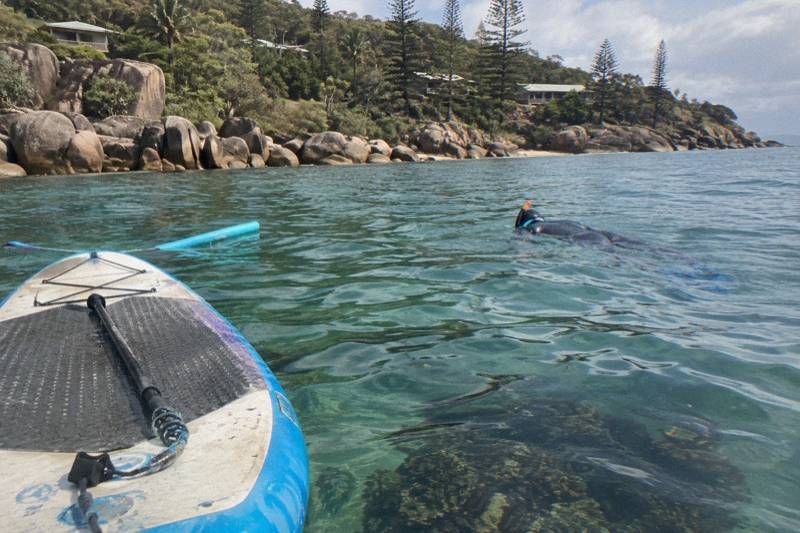
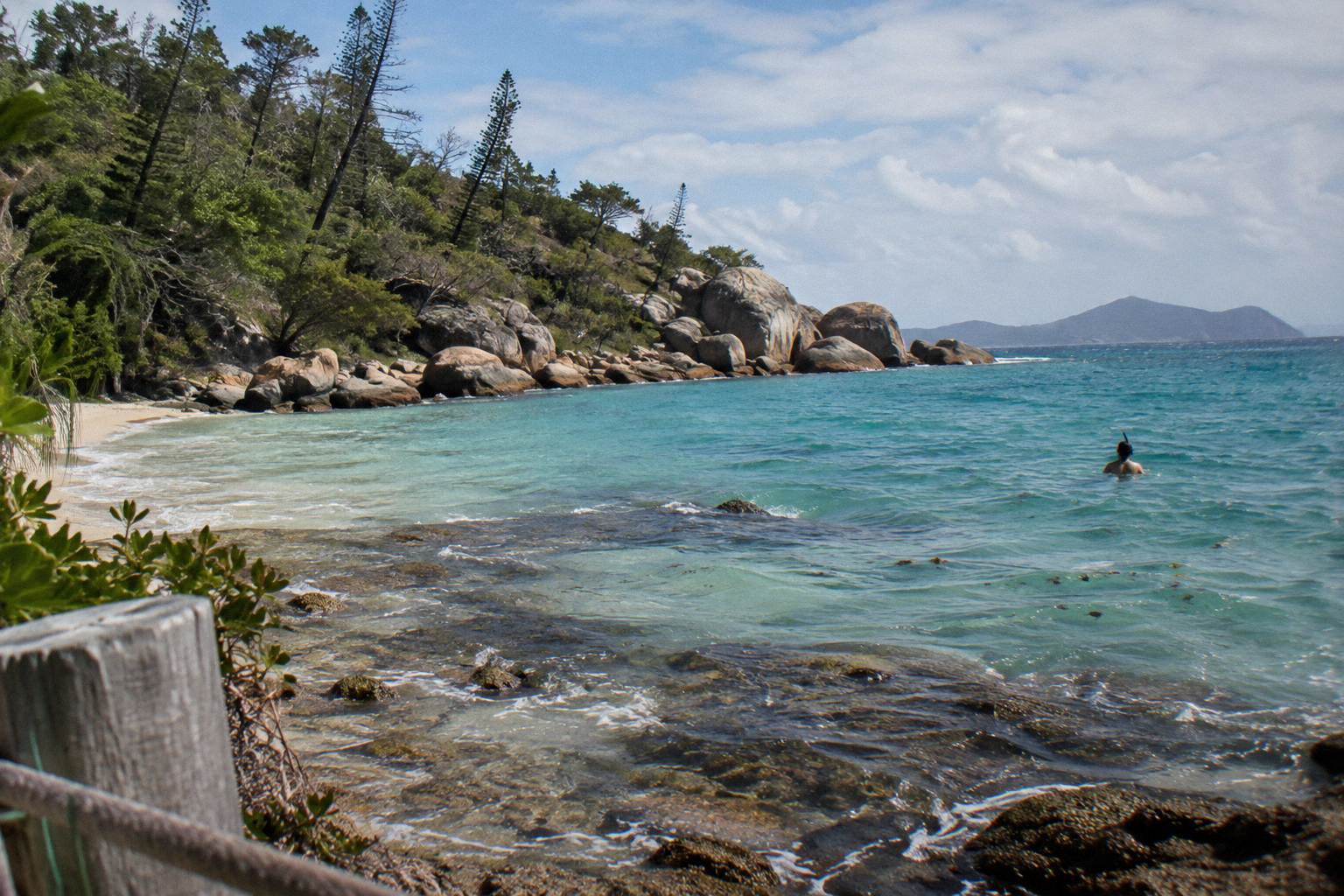
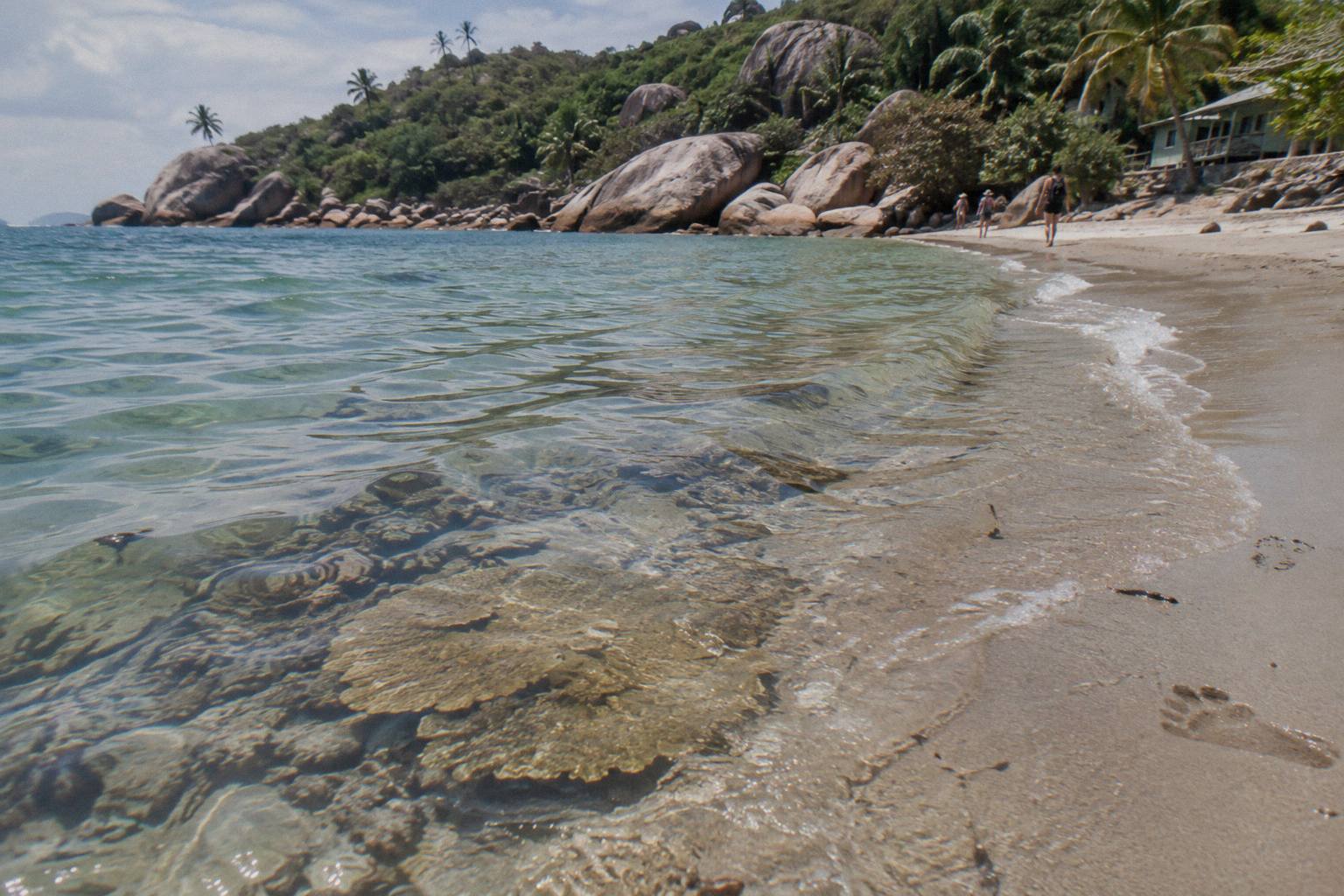
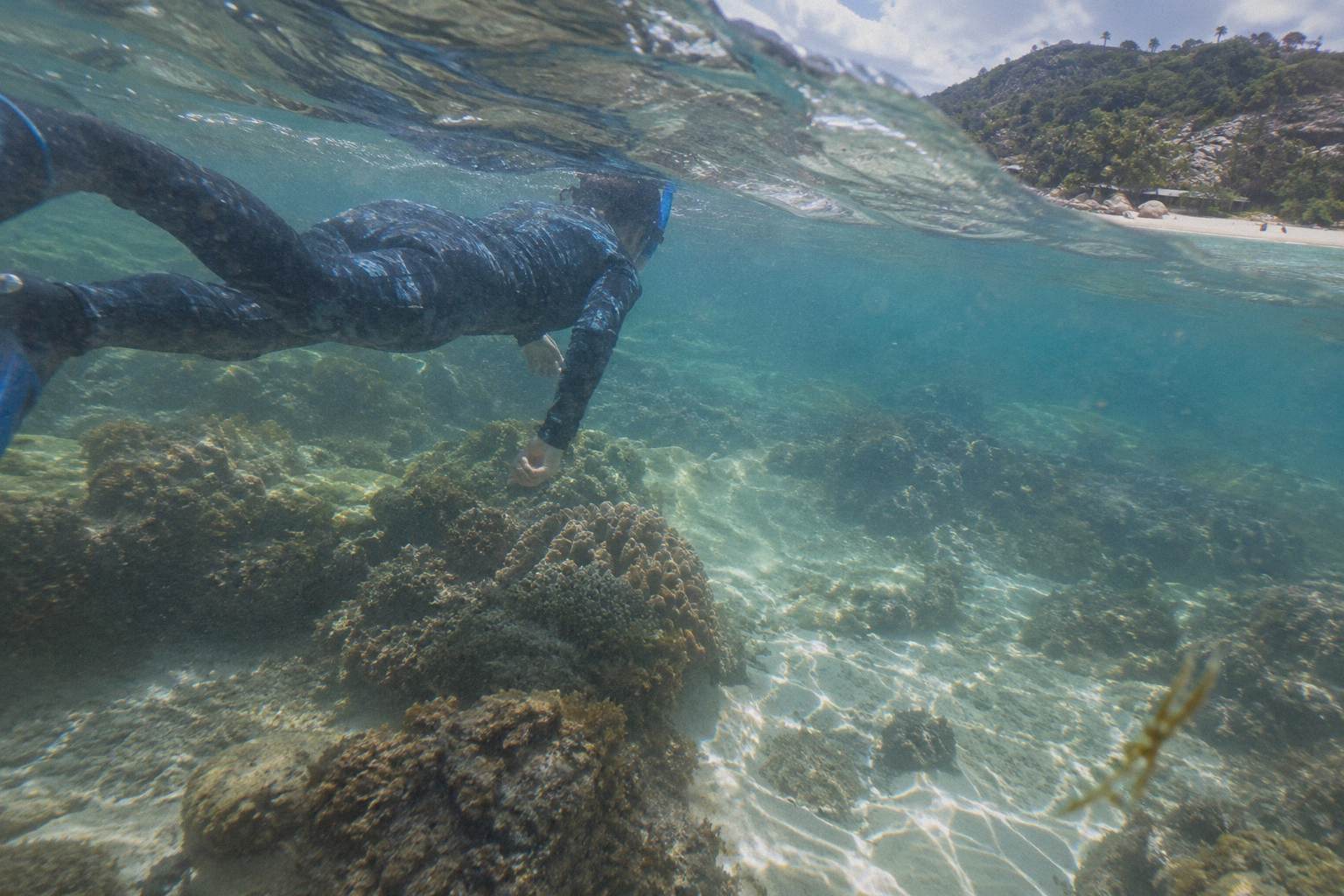
The island sits inside the Great Barrier Reef World Heritage Area, about 8km north-east of Townsville, and 78 percent of its 5,184ha land area is national or conservation park. Queensland Parks describes the landscape as boulder-strewn headlands, hoop pines, sandy beaches and fringing coral reefs, and names Arthur Bay and Florence Bay as ideal for snorkelling where the fringing reef is accessible straight from the beach. That beach-access character matters for safety: most island snorkelling happens in shallow, sheltered bays rather than off boats in open water, and a swimmer who tires is usually a short kick from sand.
This page sticks to what the official sources actually print: council and Surf Life Saving Queensland guidance on stingers and patrols, Queensland Parks guidance on the island's beaches and wildlife, and the inclusions listed on the island's guided snorkel tours. Where something is not documented, it says so rather than guessing. That discipline matters for a safety question, because the gap between a real warning and a rumoured one is exactly where bad trip decisions get made.
What Are The Actual Documented Risks?
The risks officially documented for Magnetic Island swimmers and snorkellers are marine stingers, present at higher risk from November to May and possible all year, unpatrolled beaches outside lifeguard hours, and ordinary hazards such as sun exposure and boat traffic. Surf Life Saving Queensland states that the risk from box jellyfish and Irukandji is higher during the marine stinger season, which typically runs from November through to May, and notes stingers may be present outside that window too. Townsville City Council defines its season more precisely, from 1 November to 31 May, with nets installed at many beaches.
Queensland Parks and Wildlife, for its part, warns park visitors plainly: beware marine stingers, jellyfish. That warning sits on the island's official park page alongside the booking pages for snorkelling and fishing, which tells you something about how normal the activity is here. The park service also notes the island is home to allied rock-wallabies among the granite and even, in a photo caption, common death adders camouflaged among the boulders, but those are land hazards for walkers, not water hazards for snorkellers.
What the official record does not contain matters too. There is no official warning naming Magnetic Island snorkelling as unusually hazardous, and no council or parks statement discouraging the activity. The guidance is the standard tropical Queensland set: know the season, swim at patrolled beaches where possible, and wear a full-body stinger suit in the warmer months. A visitor who follows those three habits is doing everything the authorities actually ask of them.
| Hazard | What official sources say | Season or timing |
|---|---|---|
| Box jellyfish and Irukandji | Higher risk during marine stinger season; may be present all year (SLSQ) | November to May |
| Stinger nets | In use at Horseshoe Bay and Picnic Bay (council) | Season runs 1 November to 31 May |
| Unpatrolled beaches | Picnic Bay has volunteer patrols only, 1 September to 31 May; a roving lifeguard covers island beaches by vehicle and jet ski | Daily, varies by beach |
| General parks warning | "Beware marine stingers (jellyfish)" on the official Magnetic Island park page | All year |
For first aid, SLSQ documents vinegar for at least 30 seconds for box jellyfish stings. Vinegar is stationed at patrolled beaches in stinger areas, which is one practical argument for swimming between the flags where the lifeguards are. It is also worth knowing that the council's net program has a rigour of its own: nets come out only after the season ends and 14 consecutive days of no stingers found in daily net drags, so a net still standing in June is doing a job, not forgotten.
The official risk picture is mostly about what is in the water, but the activity-specific detail is thinner. No official source singles out snorkelling as a distinct risk category; the warnings address swimming generally, and snorkellers are covered under the same umbrella of advice. That means the practical precautions for a snorkeller are the same ones a swimmer follows, with the added note that snorkellers spend longer at the surface, often away from shore, so the basics of sun protection and staying visible to boats matter more, not less.
One point worth separating: box jellyfish and Irukandji are not the same hazard. Box jellyfish are larger and their stings cause immediate, severe pain, while Irukandji are small and their stings may initially seem minor before delayed symptoms appear. SLSQ's advice to treat any sting seriously and seek medical help applies to both. Snorkellers who feel anything unusual on exposed skin, even through a suit's zip or neckline, should exit the water rather than wait to see whether symptoms develop.
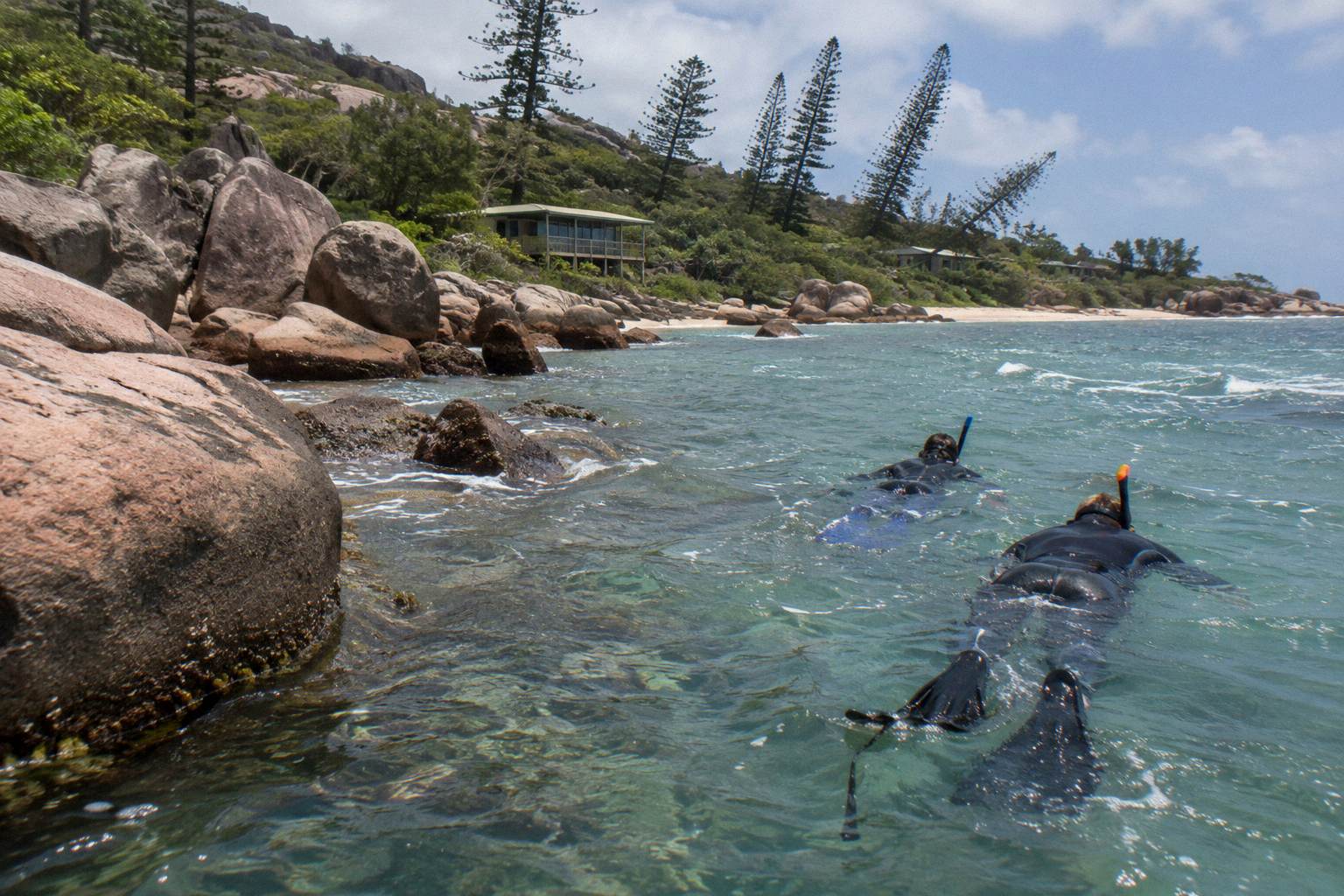
The stinger suit advice also has a seasonal logic behind it. The council's stinger nets and the SLSQ season warning cover the same window, roughly November through May, and both exist because that is when warm water brings the risk up. Outside that window the suits are less emphasised in official guidance, but the all-year park warning remains on the books, which is why locals often keep suits on hand even in the cooler months rather than treating winter as an automatic all-clear.
Which Beaches Are Patrolled, And When?
Horseshoe Bay and Alma Bay each have one lifeguard every day from 8:15am to 4:15pm; Horseshoe Bay has stinger nets in use, Picnic Bay has stinger nets with volunteer patrols from 1 September to 31 May, and Alma Bay's net status is not claimed either way because official reads conflict. That is the honest version of the patrol picture, taken directly from Townsville City Council's lifeguard hours listing rather than from tourism copy. Where two official reads disagree, this site prints neither claim, which is why the Alma Bay row below says what it says.
The two patrolled bays are also two of the island's most swimmer-friendly. Horseshoe Bay is the big northern beach where the jet ski operators base themselves, and Alma Bay in Arcadia is a small, sheltered, very popular swimming beach. Picnic Bay, at the island's southern end, is a volunteer-patrolled netted option in the warmer half of the year. Beyond those three, the island's other snorkelling bays, including Arthur Bay and Florence Bay, are unpatrolled: beautiful, quiet, and entirely your own responsibility.
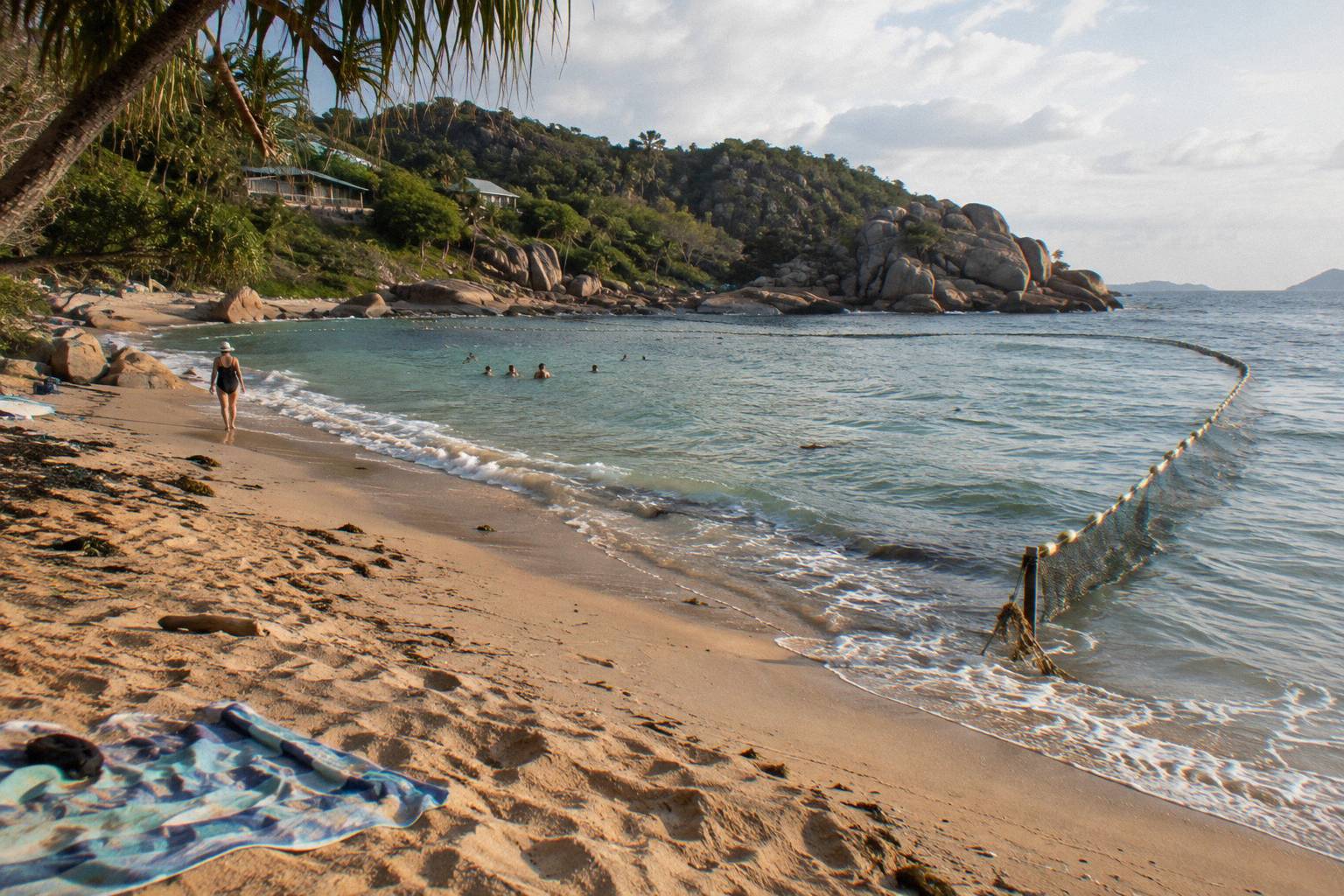
There is a timing discipline here worth naming: lifeguards finish at 4:15pm, and the nets are nets, not walls. Swimming inside a stinger net during patrol hours in season is the documented low-risk choice; swimming at an unpatrolled bay at dusk in February is not. Neither is forbidden, but they sit at very different points on the risk scale the council's own hours imply. The roving lifeguard service, patrolling all island beaches by vehicle and jet ski, narrows the gap at the unpatrolled bays without closing it.
| Beach | Lifeguard | Hours | Stinger nets |
|---|---|---|---|
| Horseshoe Bay | 1 lifeguard | Every day, 8:15am to 4:15pm | In use |
| Alma Bay | 1 lifeguard | Every day, 8:15am to 4:15pm | Not claimed either way |
| Picnic Bay | No lifeguard; volunteers 1 Sep to 31 May | Volunteer patrol season only | In use |
| Other bays (Arthur, Florence and others) | Roving lifeguard patrols by vehicle and jet ski only | Variable | None listed |
If you want the reef-and-safety picture for a specific bay, our guide to where the best snorkelling sits around the island covers the water side, and the details on stinger suits and snorkel gear choices cover the equipment side. Reading those two alongside this page gives you the full triangle: the bays, the gear and the calendar.
Do You Need A Stinger Suit?
Officially, yes in season: Surf Life Saving Queensland treats the marine stinger season as November to May and councils install nets for exactly that window, and every guided snorkel tour on the island lineup supplies stinger suits or wetsuits as part of the ticket. Outside the season, in the dry winter months from June to September, the guided tours switch to supplying wetsuits for warmth rather than UV stinger suits for protection, which tells you how operators themselves read the calendar.
The suit question is really a cost-and-hassle question for independent snorkellers, because a full-body suit removes the main documented risk for exposed skin. Renting one on the island is straightforward, and the decision framework is simple: from November to May, wear one anywhere, patrolled or not; from June to September, it is a warmth choice. Our longer treatment of whether you need a stinger suit to snorkel here walks through the same question in more detail.
There is a middle case worth naming: October, and the shoulder weeks either side of the official dates. Stinger season starts on a fixed calendar day, not on a signal from the animals, so the water in late October is treated by the authorities as pre-season even though the first box jellyfish of the year do not check the calendar. Cautious snorkellers simply wear the suit from October through to the nets coming down, which costs nothing in comfort in water that warm.
Is It Safer To Go With A Guided Tour?
Guided tours remove most of the judgement calls: the Aquascene Snorkel Discovery Tour (4.9 from 301 reviews, from A$179) supplies masks, snorkels, fins, seasonal UV stinger suits, wetsuits from June to September, flotation aids and morning tea, with free cancellation up to 24 hours before it starts. You are snorkelling with a crew that watches the water, picks the day's sheltered spots around the island, and carries the safety gear you would otherwise rent or do without.
The comparison with self-led snorkelling is not that independent snorkelling is unsafe; it is that a tour bundles the safety decisions into the price. A guided ticket covers suit supply, site selection on the day, gear that fits, and people whose job is to notice if a snorkeller is struggling. Doing it yourself from Arthur Bay or Florence Bay is free and legitimate, but you make every one of those calls alone, at an unpatrolled beach.
| Factor | Guided snorkel tour | Self-led beach snorkel |
|---|---|---|
| Stinger suit | Supplied seasonally (UV suits; wetsuits June to September) | Rent or bring your own |
| Site choice | Crew picks sheltered spots on the day | You judge conditions yourself |
| Supervision | Crew and flotation aids on board | None outside patrolled bays |
| Cost | From A$179 on the island's main discovery tour | Beach access free; gear rental extra |
| Ferry from Townsville | Bought separately for the Aquascene discovery tour, which meets at Nelly Bay marina | Booked and timed by you |
The operator side is documented too: Aquascene's weather policy is to contact you to cancel or offer an alternative date, or a full refund, when conditions kill the trip. For a reader weighing whether to book at all, that policy answers the "what if the day turns bad" question before you have to ask it. It also means the operator has a direct financial incentive not to run a trip in poor conditions, which quietly aligns their interests with yours.
What About Sharks, Crocodiles And Other Fears?
On sharks, crocodiles and similar fears, no park, council or lifeguard page for Magnetic Island carries any warning, incident statement or advisory connected to snorkelling, and this page does not invent one, so swimmers can treat the official record as silent rather than alarming on the subject. The documented marine guidance for the island is the stinger guidance above, full stop. Fishing is listed as a park activity, snorkelling is listed as a park activity, and the beaches are patrolled by lifeguards whose own organisation, Surf Life Saving Queensland, publishes exactly what it wants swimmers to know, in the depth of detail its marine stingers page carries.
The absence of a warning is itself information. Councils and park services in North Queensland are not shy about signage; the same council that prints stinger net schedules and patrol hours would print a crocodile or shark advisory if one applied to these bays. If you want the fuller discussion of whether sharks are a concern on a snorkel trip here, we treat it separately, and the same honest approach applies to crocodiles around the island's snorkel and kayak spots.
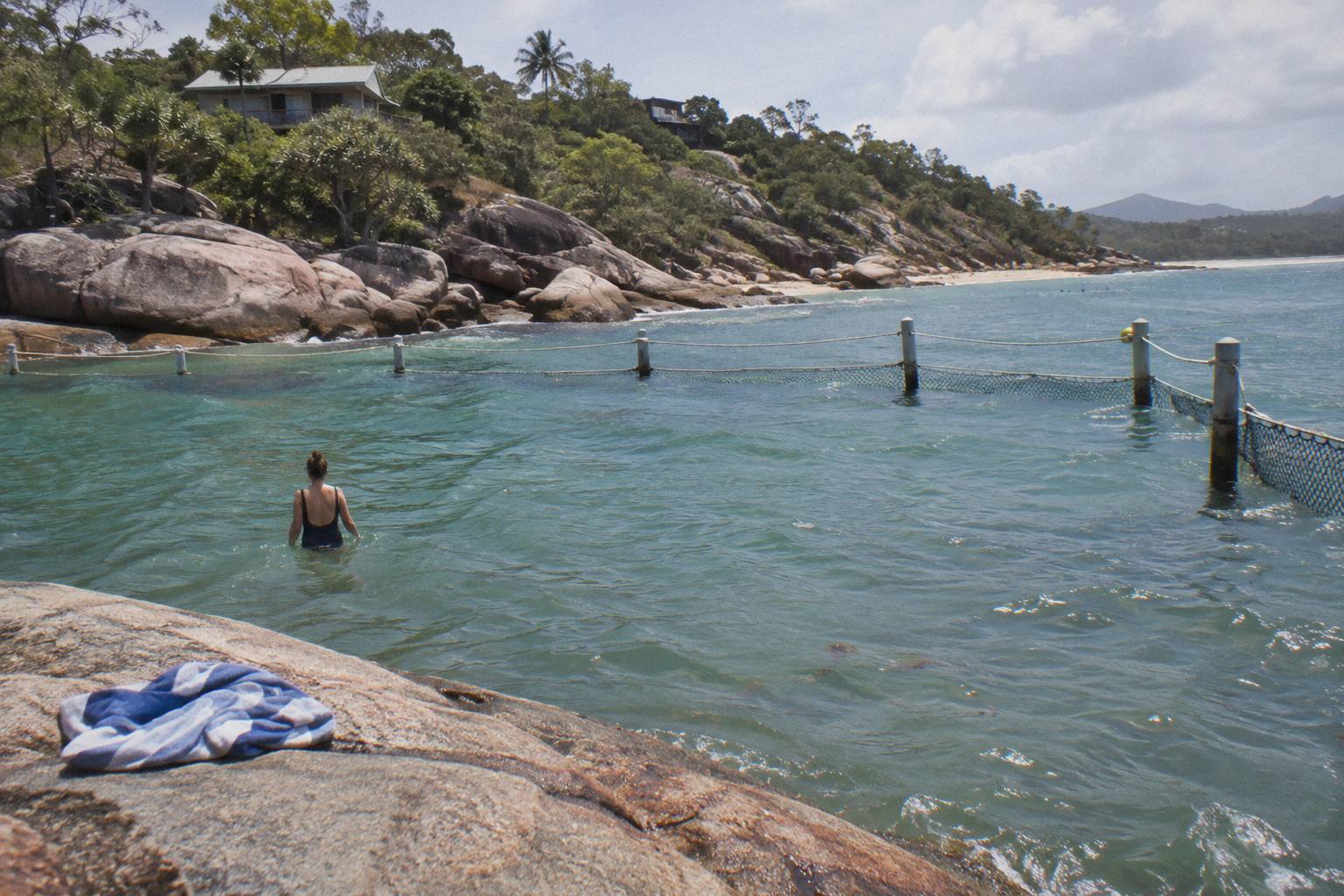
What official sources do document is the wildlife you might actually meet: Queensland Parks writes that at Arthur Bay and Florence Bay you can swim with sea turtles and a diversity of fish living among the corals and seaweed. Turtles are the island's headline in-water encounter, and the park service's own framing is an invitation, not a caution. The honest summary of the fear question is that the animals with a documented seasonal risk profile here are small, transparent, and managed with a lycra suit, not the large ones the imagination supplies.
When Is The Water Safest?
The documented safer window is the dry season, roughly June to September, when stinger season has ended, mean rainfall drops to between 9.9mm and 20.1mm per month at Townsville, and the Bureau of Meteorology notes the winter months are dominated by south-east trade winds and mostly fine weather. That is also whale season, with Aquascene listing whale watching as a seasonal bonus from July to September on its circumnavigation tour, never a promise.
Stinger season is the flip side: mean rainfall peaks at 312.9mm in February, marine stinger risk is elevated, and the council's nets and patrol apparatus swing into full operation from 1 November. Snorkelling in those months is normal and widely done, inside nets at patrolled beaches or in a supplied suit with a guide, but it demands the precautions the season exists to enforce.
Wind matters as much as stingers for water clarity and comfort. The south-east trades of winter can whip up the exposed faces of some bays while leaving others glassy, which is exactly the local knowledge a guided tour carries and an independent visitor has to earn. Checking conditions on the morning, rather than the week before, is the habit that matters.
| Period | Stinger risk | Rainfall (Townsville mean) | What guides supply |
|---|---|---|---|
| June to September | Season ended | 15.5mm to 20.1mm per month | Wetsuits for warmth |
| October | Low, season starts 1 November | 23.9mm per month | Suits by operator policy |
| November to May | Elevated; nets and patrols in force | 60.7mm to 312.9mm per month | UV stinger suits supplied |
The Honest Bottom Line
Snorkelling around Magnetic Island is safe in the ordinary, documented sense: it is a routine activity in a national park inside the Great Barrier Reef World Heritage Area, with a stinger season that runs to 31 May, two lifeguarded bays, netted swimming at Horseshoe Bay and Picnic Bay, and guided tours that supply the suits and the supervision for you. The island's own authorities treat snorkelling as a feature, not a hazard, and publish the seasonal precautions in plain sight for anyone who looks.
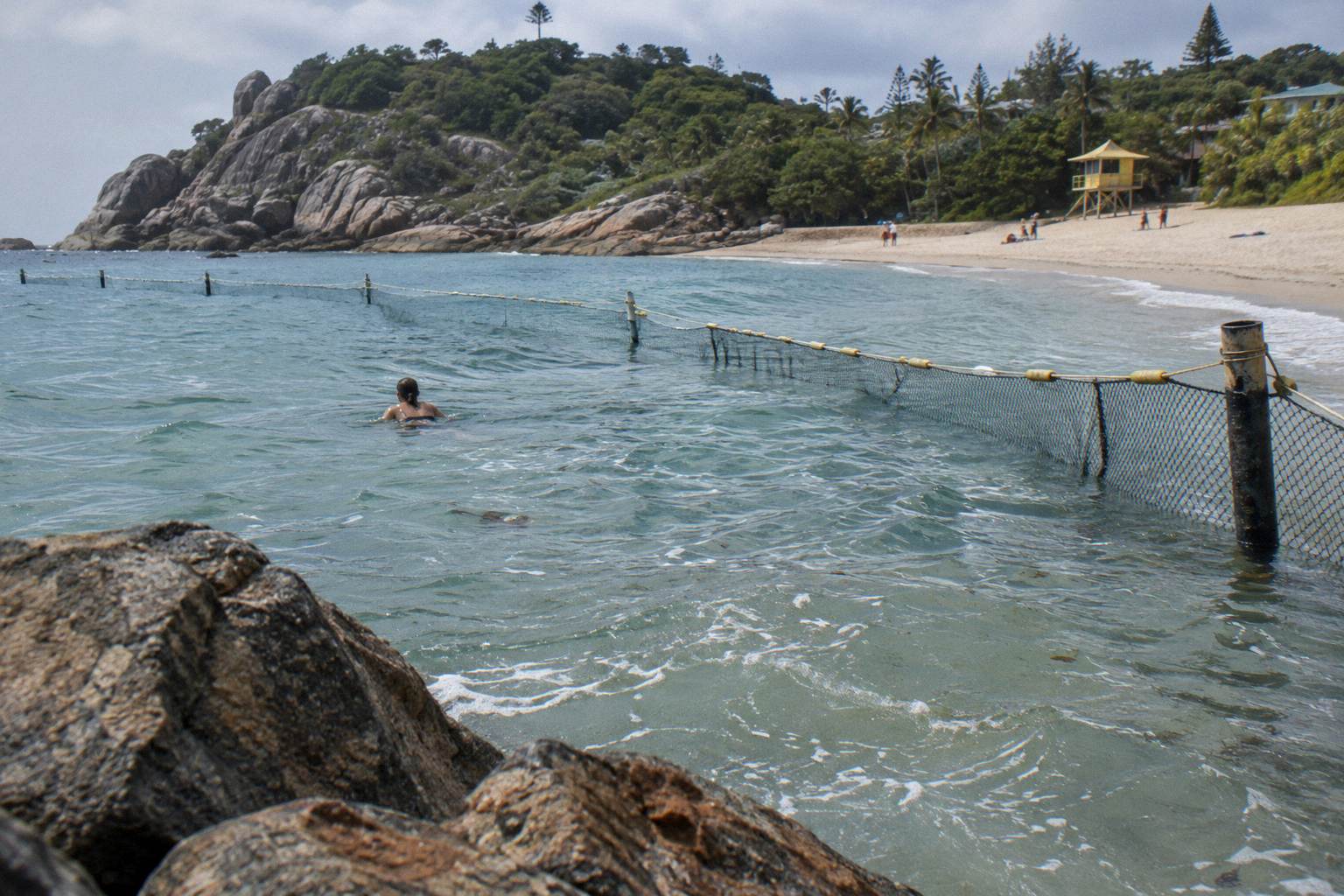
For most visitors the decision is between three honest options: swim inside the nets at a patrolled bay in season, snorkel independently at an unpatrolled bay with your own suit and judgement, or book a guided tour and let the crew carry the safety layer. If the guided route appeals, Magnetic Island Tours compares the island's snorkel options side by side, and the guided versus self-led snorkelling comparison does the same math in detail. Whichever you choose, swim in the morning, respect the season, and let the documented facts, not the fears, decide the day.
Common Questions About Snorkel Safety On Magnetic Island
Is It Safe To Snorkel Around Magnetic Island?
Yes, with ordinary tropical precautions. Stinger season runs from 1 November to 31 May, Horseshoe Bay and Alma Bay are lifeguarded daily from 8:15am to 4:15pm, nets are in use at Horseshoe Bay and Picnic Bay, and guided tours supply stinger suits or wetsuits as part of the ticket.
When Is Stinger Season On Magnetic Island?
Townsville City Council defines it from 1 November to 31 May, and Surf Life Saving Queensland describes the marine stinger season as typically November through to May, with stingers possible all year.
Do I Need A Stinger Suit To Snorkel Here?
In season, yes, a full-body suit is the documented precaution, and guided tours supply UV stinger suits or wetsuits automatically. From June to September tours switch to wetsuits for warmth.
Which Beaches Have Lifeguards?
Horseshoe Bay and Alma Bay each have one lifeguard every day from 8:15am to 4:15pm. Picnic Bay is patrolled by volunteers from 1 September to 31 May, and a roving lifeguard covers all island beaches by vehicle and jet ski.
Are There Sharks Or Crocodiles At The Snorkel Bays?
No official park, council or lifeguard page carries a shark or crocodile advisory for Magnetic Island's snorkelling bays. The documented guidance concerns marine stingers only.
Is A Guided Tour Safer Than Snorkelling From The Beach?
A tour bundles the safety decisions: supplied suits, gear that fits, site selection on the day, flotation aids and crew supervision. Independent beach snorkelling is legitimate but happens at unpatrolled bays where you make every call yourself.