Great Barrier Reef Tours From Magnetic Island And Townsville
Three reef trips run from the Townsville and Magnetic Island base, and they suit three different travellers. Here is what each one costs, where it starts, and how it compares with snorkelling straight off an island beach.
Short answer
Two full-day reef snorkel trips run from this base, both 10 hours and both from A$394: the Great Barrier Reef Cruise and the MOUA and Reef Snorkel Experience. Certified divers can instead dive the S.S. Yongala wreck from A$499. Island-based snorkel trips from A$179 stay inside Cleveland Bay and take half the day.
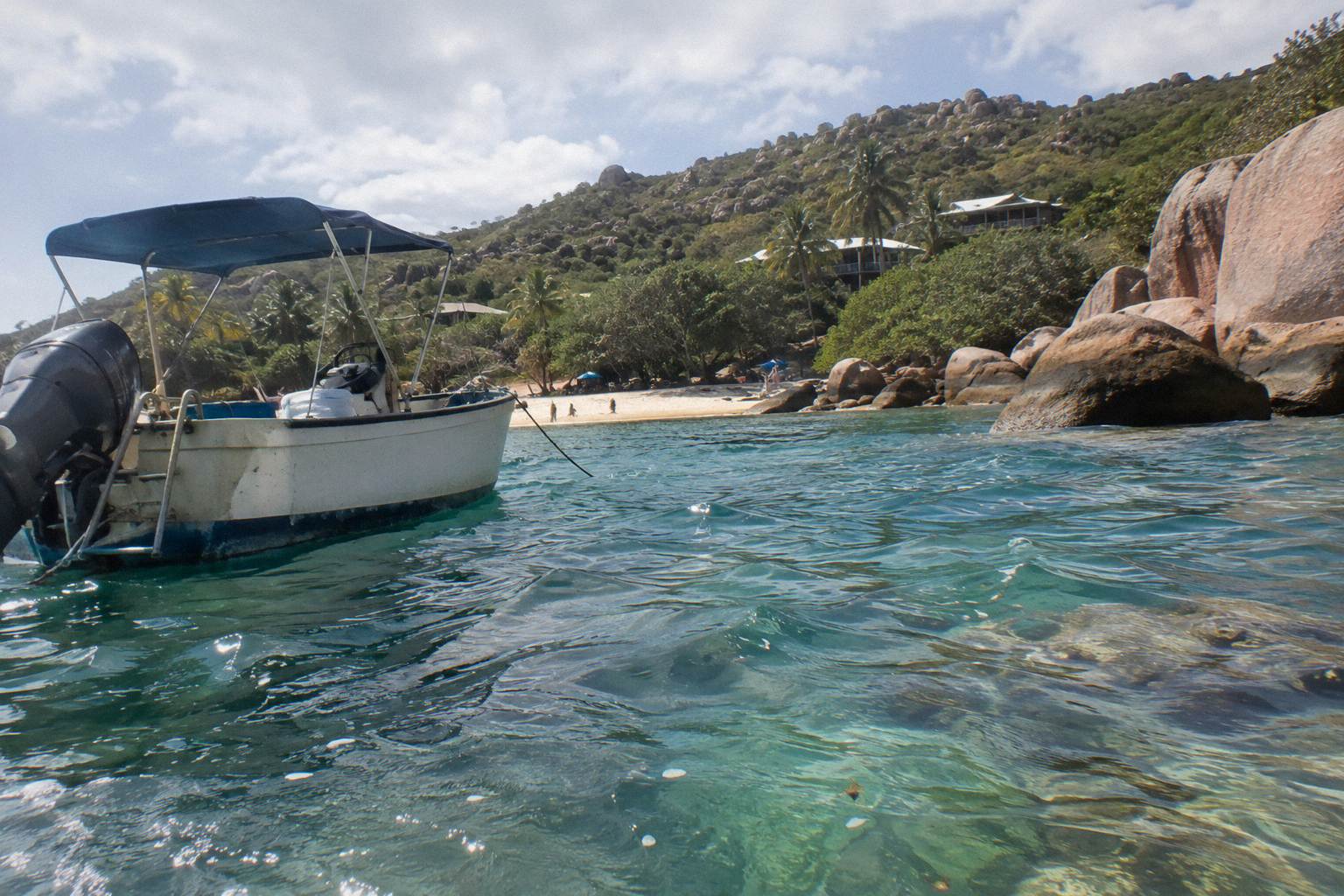
The reef does not start at the island. Cleveland Bay holds good fringing coral at Arthur Bay and Florence Bay, but the outer reef, the kind of exposed coral country people picture when they book a Great Barrier Reef day, sits well offshore and can only be reached by boat. From the Magnetic Island and Townsville base exactly three products make that run: a full-day snorkel cruise to the central reef, a full-day trip that pairs the reef with the Museum of Underwater Art, and a certified dive trip to the S.S. Yongala wreck. Everything else sold as a reef experience here is an island-based trip inside the bay.
That distinction matters for your wallet and your calendar. The outer-reef days cost from A$394 and swallow ten hours. The island trips cost from A$179 and finish by early afternoon. This guide lays out the three offshore options side by side, then shows what you give up and gain by staying in the bay instead. Magnetic Island Tours compares them the way a reader actually decides: by start point, by hours on the water, and by what the ticket does and does not include.
Which Reef Trips Can You Actually Book From This Base?
Three reef trips run from Townsville or Magnetic Island, all operated by Adrenalin Snorkel and Dive. The Great Barrier Reef Cruise from A$394 is a 10-hour snorkel day on the central reef, rated 4.7 from 105 reviews. The MOUA and Reef Snorkel Experience, also 10 hours and from A$394, adds the Museum of Underwater Art. The Yongala wreck dive, from A$499 and rated 4.2 from 40 reviews, is for certified divers only.
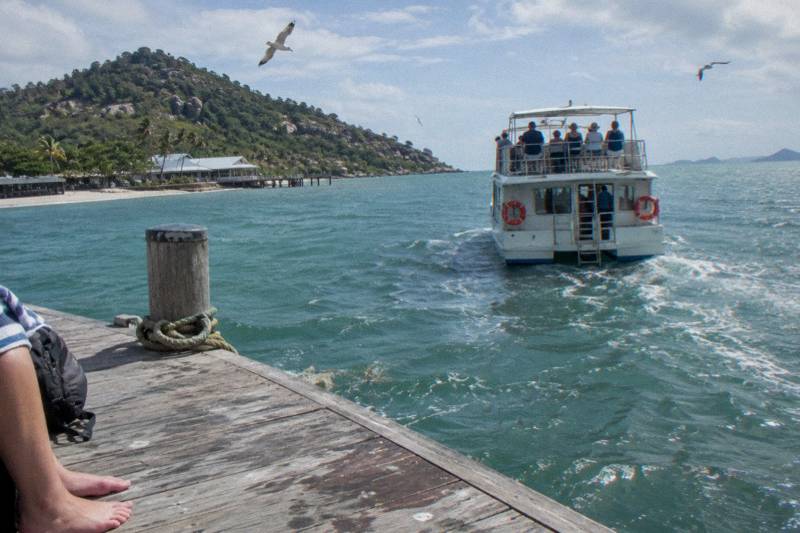
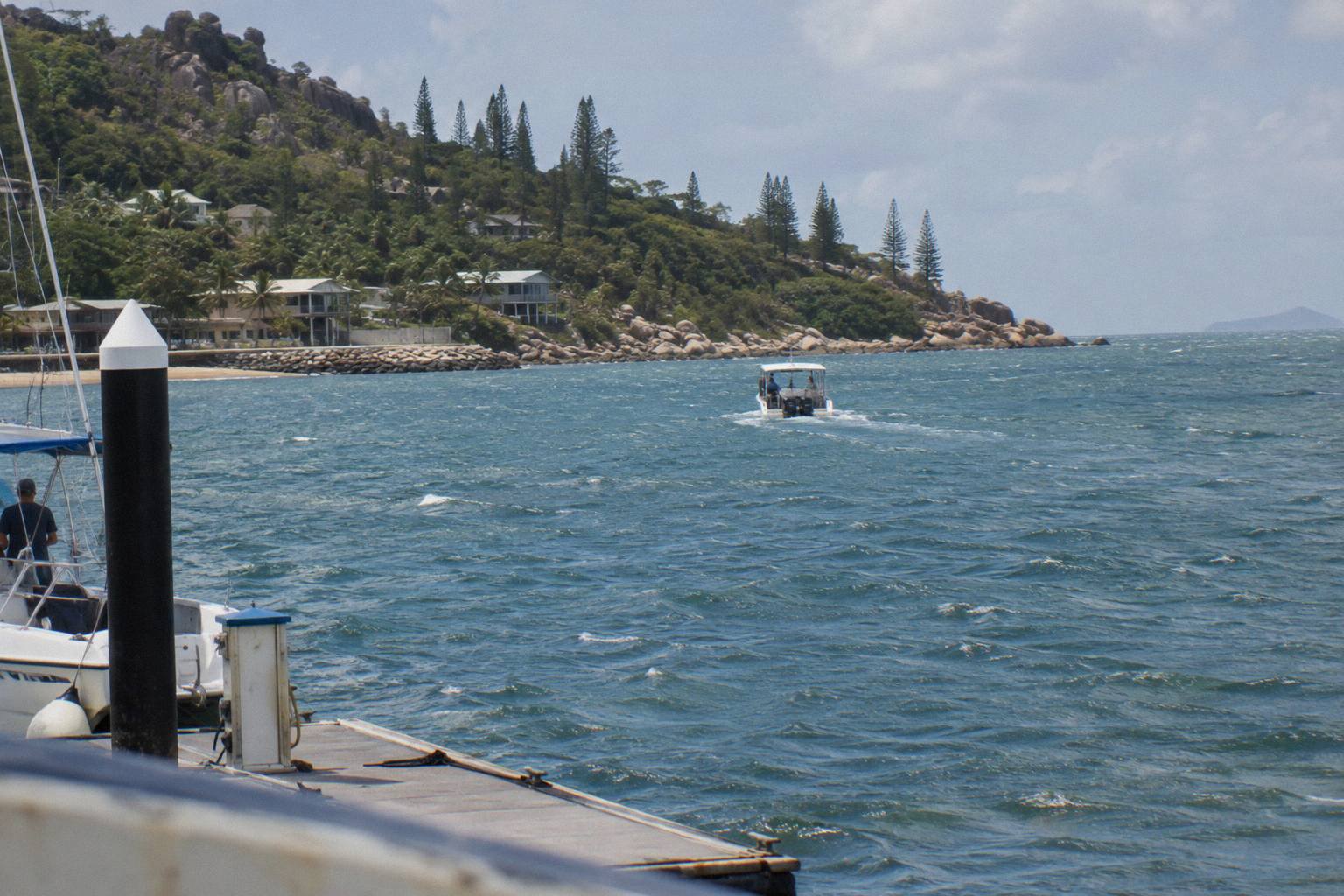
The striking thing about this lineup is how concentrated it is. One operator runs every offshore product from this base, with the same boat schedule and the same two boarding points. The operator departs Townsville at 7:25am from the Fuel Wharf past G Finger at Breakwater Marina, and collects Magnetic Island passengers at the Nelly Bay Ferry Terminal waterfront at 7:50am. Whichever of the three trips you pick, your morning looks the same: an early ferry or an early drive, and a full day at sea.
What separates the products is what happens after the boat clears the heads. The straight cruise anchors on the central Great Barrier Reef for snorkelling with reef ecology talks and full gear. The MOUA trip, rated 4.5 from 84 reviews, swaps part of that reef time for the underwater art installation, a sequence of sculptural works moored on the seafloor that doubles as an artificial reef. The Yongala trip travels further south to one of the most famous wrecks in Australian water, and puts certified divers down twice on it.
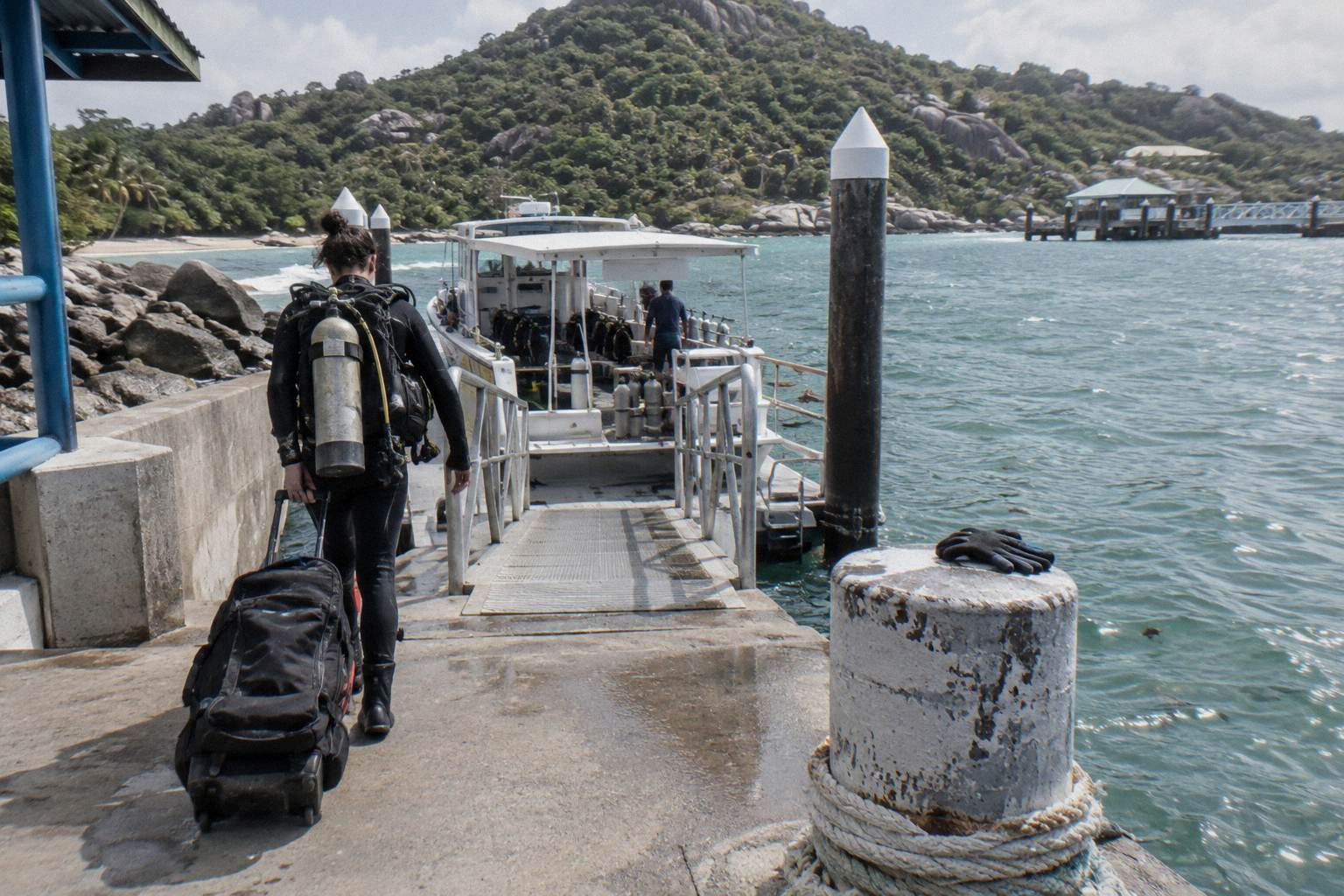
A word on naming, because it trips people up. The Museum of Underwater Art is a real dive and snorkel site, not a building, and the Yongala is a protected wreck inside a 797-metre radius zone that requires a permit to access, which the operator holds on trip participants' behalf. None of the three trips is a lazy beach day. All of them are weather-dependent offshore runs in open water.
How Do The Three Reef Trips Compare On Price And Time?
Both snorkel trips cost from A$394 and run 10 hours. The Yongala dive costs from A$499, also 10 hours. The cruise and the MOUA trip are same-family alternatives at the same entry price, while the Yongala costs more and requires certification, making the real choice snorkel-versus-dive rather than one reef trip versus another.
Price is the least interesting variable here because two of the three products share an entry figure. Duration, rating pool and what your money buys differ far more. The table below puts the three trips side by side using the figures printed on each live listing.
| Trip | Entry price | Duration | Rating | Start point |
|---|---|---|---|---|
| Great Barrier Reef Cruise | from A$394 | 10 hours | 4.7 from 105 reviews | Breakwater Marina, Townsville, or Nelly Bay pickup |
| MOUA & Reef Snorkel Experience | from A$394 | 10 hours | 4.5 from 84 reviews | Breakwater Marina, Townsville, or Nelly Bay Ferry Terminal |
| S.S. Yongala Wreck Dive | from A$499 | 10 hours | 4.2 from 40 reviews | Townsville or Magnetic Island pickup |
Two details in that table deserve a closer read. First, the rating pools are modest and honest: 105, 84 and 40 reviews respectively. These are established products with real track records, not volume sellers with thousands of ratings, so treat the scores as a signal rather than a verdict. Second, the durations are all the same because all three run on essentially the same day shape: board before 8am, steam out, spend the middle of the day in the water or on the wreck, and return in the late afternoon.
The Yongala's higher price buys two certified dives on a genuine shipwreck rather than a snorkel session. If you hold an open-water certification and at least 15 logged dives, or you are willing to pay the compulsory A$20 dive guide fee below that threshold, the wreck is the standout day of the three. If you do not dive, the choice collapses to reef-only or reef-plus-art.
What Is Each Trip Like On The Day?
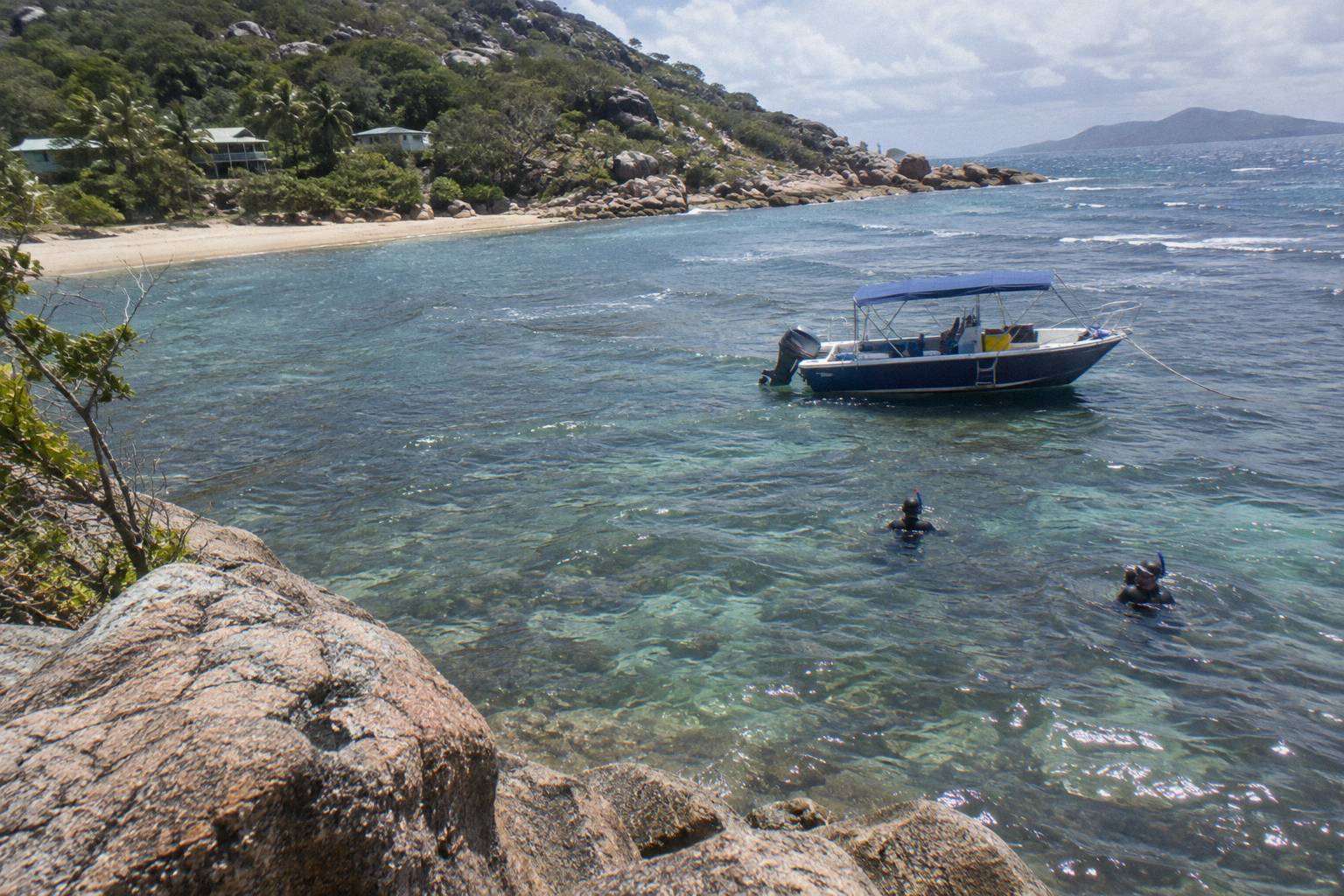
The cruise is a snorkelling day built around one or two reef sites with gear, tuition, lunch and floating aids included. The MOUA trip adds an underwater art installation and a buffet lunch but charges extra for an in-water snorkel guide. The Yongala day is dive-focused, with tanks, weights and scuba equipment included and no snorkelling on the wreck itself.
The Great Barrier Reef Cruise is the straightforward option and the one most first-time reef visitors should probably book. It includes transport to the central reef, reef ecology talks, full snorkel equipment with a full-length suit, and floating devices for novices: pool noodles, life rings and vests with air. Lunch, iced water, tea and coffee come with the ticket. Three extras sit outside it: an in-water snorkel guide at A$10 per person, a compulsory dive guide at A$20 for divers with fewer than 10 logged dives, and a fuel levy of A$15 per person. Budget a little above the headline price if you are a snorkeller who wants a guide and owes the levy.
The MOUA and Reef Snorkel Experience covers the same bones, morning and afternoon tea, a buffet-style lunch, snorkelling instruction and gear, and adds the Museum of Underwater Art to the itinerary. Scuba is available as an option you pay for at booking. The exclusions list is longer here: the snorkel guide, Discover Scuba Diving, and camera hire all cost extra. Rated 4.5 from 84 reviews, it suits travellers who want the reef plus something genuinely unique to this coast, since the underwater museum is the only one of its kind in the southern hemisphere and cannot be visited any other way.
The Yongala day is a different animal. The wreck lies roughly 12 nautical miles east of Cape Bowling Green and 48 nautical miles south-east of Townsville, so the run out is long and the surface conditions decide the day. The trip includes two certified dives with tanks, weights and scuba equipment, lunch, and a Yongala history talk on the way out. Divers with fewer than 15 logged dives must take a dive guide at A$20, and anyone with experience shallower than 18 metres must take the mandatory Adventure Dive Deep add-on. Snorkellers are not catered for on this one; it is a dive product.
One planning note applies to all three: the operator's own schedule shows Townsville departure at 7:25am and island pickup at 7:50am, which means island-based passengers need to be at the Nelly Bay Ferry Terminal waterfront, not the marina a minute around the corner. Townsville passengers coming from the island need a ferry that lands before 7:25am, which the early SeaLink sailings comfortably allow, with the crossing taking about 20 minutes and up to 17 return services a day. The practical write-up of those connections is in how long the ferry takes and whether a tour fits.
For divers weighing the Yongala against something shallower, the same operator also runs the MOUA and Reef 2-Dive Trip from A$499, a reef dive day with the same boat and inclusions but without the wreck's depth and history. It is worth checking availability on both if your certification is fresh, since the reef version has no minimum dive-count requirements attached.
Island Snorkelling Or The Outer Reef: Which Should You Choose?
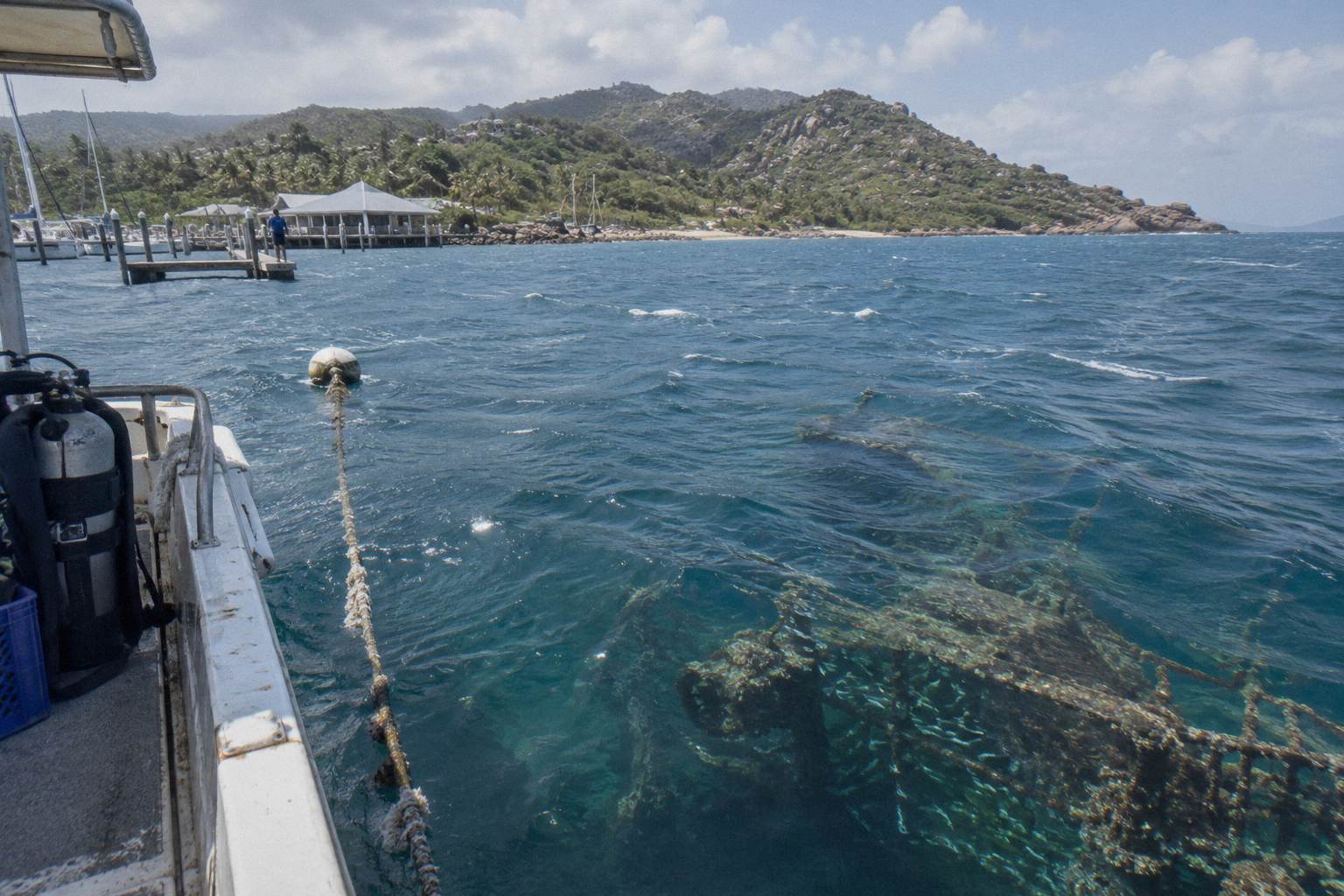
Island-based snorkel trips from A$179 stay inside Cleveland Bay, run half a day, and suit families, nervous swimmers and anyone with an afternoon to fill. Outer-reef trips from A$394 deliver open-ocean coral, clearer water on a good day and a full-day commitment. If your trip to the island is short, one island snorkel morning plus one reef day is the strongest combination.
This is the comparison most visitors actually face, because the price gap is real. The cheapest offshore day costs more than twice the cheapest island-based trip. What the extra money buys is proximity to the outer reef structure itself: bigger coral bommies, deeper drop-offs, and the fish communities that come with them. What it costs you is flexibility, since a 10-hour commitment anchors your whole day and rough weather scraps it more often than it scraps a sheltered bay trip.
The island alternative is genuinely good, not a consolation prize. Queensland Parks and Wildlife names Arthur Bay and Florence Bay as ideal for snorkelling, where the fringing reef is accessible straight from the beach, with sea turtles and a diversity of fish among the corals. Boat-based island trips reach the same style of reef with gear and guidance supplied.
| Factor | Island snorkel trip | Outer reef trip |
|---|---|---|
| Entry price | from A$179 | from A$394 |
| Time commitment | half day, back by early afternoon | 10 hours, door to door |
| Water | sheltered bays, fringing reef | open ocean, central reef sites |
| Suitability | families, beginners, short stays | confident swimmers, reef-focused travellers |
| Weather sensitivity | lower, protected bays | higher, offshore conditions |
| Gear | mask, snorkel, fins, suits included | full-length suits and flotation included |
The flagship island product is the Aquascene Snorkel Discovery Tour, from A$179 and rated 4.9 from 301 reviews, comfortably the deepest review pool of anything on this lineup. It runs out of Magnetic Island Marina at 123 Sooning St, a short walk from the Nelly Bay ferry terminal, and includes snorkelling gear, paddleboards, glass-bottom boogie boards, flotation aids, wet suits from June to September, morning tea and a tropical fruit platter. If you want to read the full island-side picture first, start with where the best snorkelling on Magnetic Island is and the broader guide to snorkelling on Magnetic Island.
A middle path exists too. The Aquascene Circumnavigation Boat Tour, from A$179 and rated 4.8 from 22 reviews, carries snorkelling gear and paddleboards around the whole island with a bonus of seasonal whale watching from June to September. It never leaves the island's shadow, but it covers more coastline than any beach-based option and makes a sensible first day before, or after, an outer-reef commitment.
What Is Included And What Costs Extra?
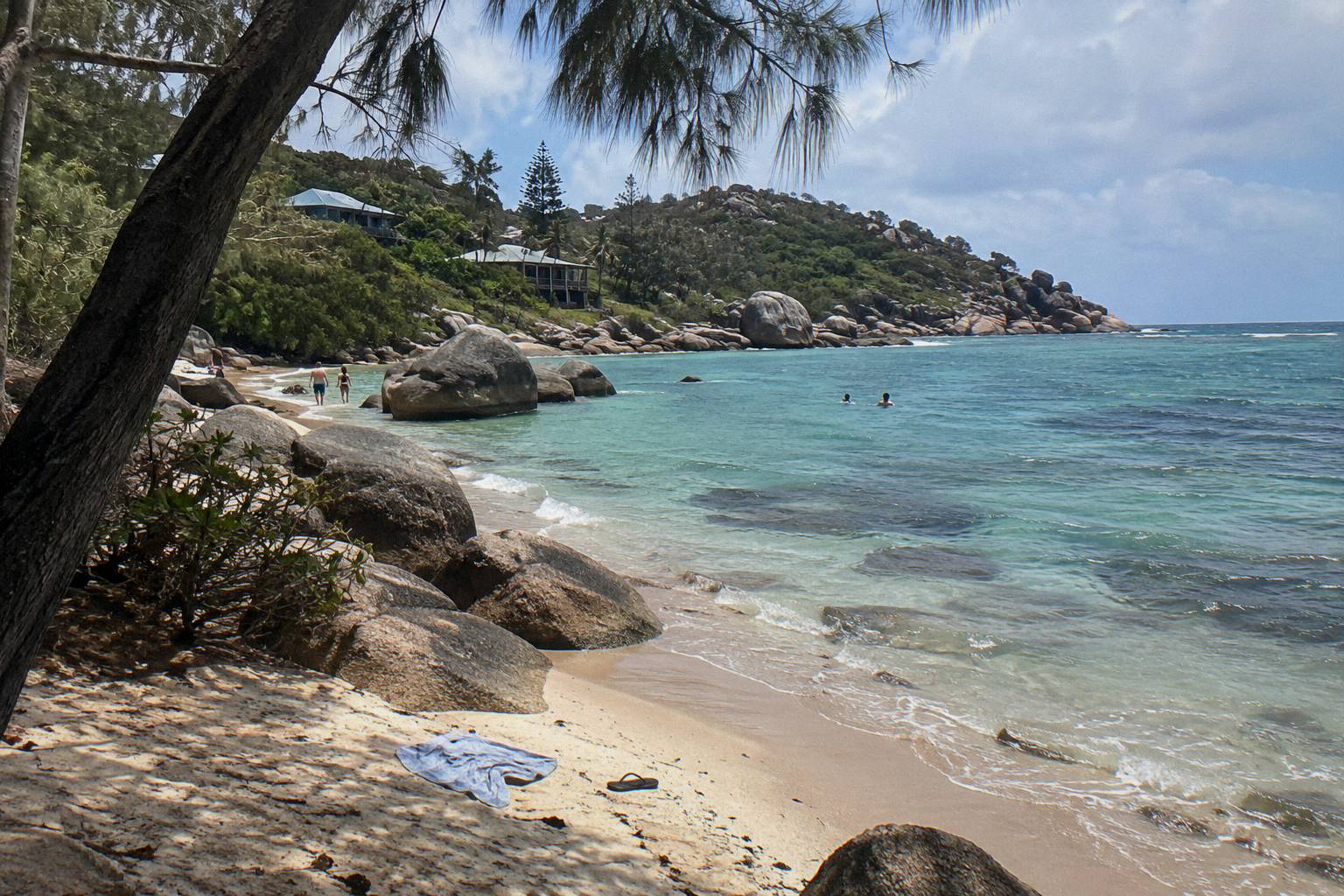
All three reef trips include transport to the reef, meals and snorkel or dive gear as appropriate. The main payable extras are the A$10 snorkel guide and A$15 fuel levy on the cruise, the A$20 dive guides where dive counts are low, and optional extras like scuba and camera hire on the MOUA trip. Island trips are closer to all-inclusive, with suits, gear and food bundled in.
Reading the inclusions line by line is the least glamorous part of booking and the part most likely to surprise you at the jetty. The table below pulls the inclusions and extras from each live listing so you can compare what actually leaves your wallet.
| Trip | Included | Payable extras |
|---|---|---|
| Great Barrier Reef Cruise | reef transport, snorkel gear and full-length suit, flotation aids, ecology talks, lunch, tea and coffee | snorkel guide A$10, dive guide A$20 (under 10 dives), fuel levy A$15 |
| MOUA & Reef Snorkel | reef transport, MOUA site, snorkelling or scuba option, morning and afternoon tea, buffet lunch, instruction | snorkel guide, Discover Scuba Diving, camera hire |
| Yongala Wreck Dive | transfers, 2 certified dives, tanks, weights and scuba equipment, lunch, history talk | dive guide A$20 (under 15 dives), Adventure Dive Deep if experience is under 18 m, tips |
| Aquascene Snorkel Discovery | boat cruise, snorkel gear, paddleboards, wet suits in cooler months, morning tea, fruit platter, drinks | None listed |
Two patterns stand out. Offshore days feed you fully, every one of them includes lunch, so you do not need to pack food beyond snacks. And the extras on the reef cruise are small but additive: a first-time snorkeller who wants a guide and pays the fuel levy will finish above the headline price once both are counted. None of that is hidden, but it is easy to miss when you are comparing headline prices at midnight.
The stinger suit question resolves itself on the offshore boats, since full-length suits are part of the standard kit on the cruise and wet suits are supplied in the cooler months on the island trips. Stinger season runs from November through to May, and the rule of thumb, full-body coverage in the water then, is covered properly in whether you need a stinger suit to snorkel here.
Where Does Each Trip Start And How Early?
Townsville passengers board at 7:25am at the Fuel Wharf, Breakwater Marina, and island passengers are collected at the Nelly Bay Ferry Terminal waterfront at 7:50am. The SeaLink passenger ferry takes about 20 minutes with up to 17 return services daily, so the island start is usually the easier one if you are already based there.
The dual start point is the single most practical feature of this lineup. Booking the Great Barrier Reef Cruise, you choose Townsville or Magnetic Island at checkout, and the operator's own page confirms both the marina wharf and the Nelly Bay pickup. That means an island-based traveller does not need a pre-dawn ferry to Townsville; the boat comes to you.
Getting to Nelly Bay in the first place is its own question, and the answer is short. SeaLink runs from Breakwater Terminal on Sir Leslie Thiess Drive in Townsville to Nelly Bay, about 20 minutes on the water, with up to 17 return services a day, per the operator's timetable. A vehicle ferry run by a different company takes about 40 minutes from Ross Street in South Townsville if you are bringing a car, though for a reef day you will not need one; the boat collects you at the terminal.
| Departure | Where | When | Notes |
|---|---|---|---|
| Townsville | Fuel Wharf past G Finger, Breakwater Marina | 7:25am | street parking and marina facilities nearby |
| Magnetic Island | Nelly Bay Ferry Terminal waterfront | ready for 7:50am pickup | short walk from SeaLink arrivals |
| Island alternative | Magnetic Island Marina, 123 Sooning St | varies by trip | Aquascene base, one minute left of the ferry terminal |
The official ferry details live on the operator's SeaLink timetable page, and the dive departure points on the operator's own site. If your plan is a Townsville day trip built around a reef tour, the fuller logistics, including bus and tour combinations, are laid out in doing a day trip with a tour from Townsville.
When Should You Book A Reef Trip From Here?
Book the outer reef for the dry, trade-wind months between roughly April and October, when mean rainfall drops from March's 197.9 mm to under 25 mm a month and the winter is dominated by fine south-easterly weather. Avoid committing hard to a single offshore day in the November to April cyclone season, and keep stinger-season coverage in mind from November through May.
The climate record for Townsville makes the case plainly. Mean rainfall falls from 312.9 mm in February to 33.7 mm in May, and the wettest months carry ten or more rain days against barely one or two from June to September. The Bureau of Meteorology notes that the winter months are dominated by south-east trade winds and mostly fine weather, which is exactly the window an offshore boat wants. The trade-off is that winter water is cooler, which is precisely when the wet suits come out on the island trips, from June to September.
Summer booking needs a different posture rather than a different decision. Trips still run, stinger suits matter, and the free cancellation terms on the two snorkel reef trips and the Yongala, up to 24 hours before start, are worth having in a season when a cyclone outlook can change your week. Book early, watch the forecast, and hold your refundable rate. The fuller monthly picture is in the best time to visit for tours.
For the history-minded, one last fact that belongs to the Yongala alone: the wreck is protected under Commonwealth heritage arrangements, with the site's upper sections about 16 metres below the surface and a maximum depth of 30 metres, and the official heritage listing records the steamer's loss with all 122 passengers and crew in March 1911. Diving it is not just a reef day; it is a visit to a grave site that the marine park protects inside a 797-metre radius zone.
| Month | Mean max (°C) | Mean rain days (≥1 mm) | Reef trip outlook |
|---|---|---|---|
| February | 31.2 | 12.7 | wet season, higher weather risk |
| May | 27.7 | 3.6 | drying out, good conditions |
| July | 25.2 | 2.0 | prime: fine, trade winds, cool water |
| September | 27.9 | 1.2 | prime: dry, warming water |
| December | 31.6 | 7.4 | stinger season, cyclone season begins |
The short version: one reef day from this base is worth planning your whole stay around, and July to September gives it the best odds of running as scheduled. Pair it with an island snorkel morning on the shoulder of your trip and you will have seen both the fringing reef on your doorstep and the outer reef that gives this coast its name.
Common Questions About Great Barrier Reef Tours From Magnetic Island
Can You See The Great Barrier Reef On A Snorkel Tour From Magnetic Island?
Yes. The Great Barrier Reef Cruise from A$394 and the MOUA and Reef Snorkel Experience, also from A$394, both run 10-hour snorkel days to the central reef with pickups at Nelly Bay or Breakwater Marina in Townsville.
How Much Do Reef Tours From Magnetic Island Cost?
The two snorkel reef trips both start at A$394, and the S.S. Yongala wreck dive starts at A$499. Island-based snorkel tours that stay inside Cleveland Bay start at A$179, and extras such as the A$10 snorkel guide and A$15 fuel levy sit on top of the offshore prices.
Do Reef Trips Pick Up From Magnetic Island Or Only Townsville?
Both. The operator departs Townsville at 7:25am from the Fuel Wharf at Breakwater Marina and collects Magnetic Island passengers from the Nelly Bay Ferry Terminal waterfront, with passengers ready for a 7:50am pickup.
Is The Yongala Dive Suitable For Beginner Divers?
Only for certified divers, and divers with fewer than 15 logged dives must take a compulsory dive guide at A$20. Anyone whose experience is shallower than 18 metres must also take the mandatory Adventure Dive Deep add-on.
What Is The Difference Between Island Snorkelling And An Outer Reef Tour?
Island trips stay in sheltered bays over fringing reef, cost from A$179 and take half a day. Outer reef trips run 10 hours to open-ocean reef sites, cost from A$394, and suit confident swimmers who want the full Great Barrier Reef experience.
When Is The Best Time Of Year To Book A Reef Trip?
The dry months from roughly April to October, when rainfall drops well below the summer peaks and the winter brings mostly fine south-east trade weather. July to September offers the driest, most reliable conditions for an offshore day.