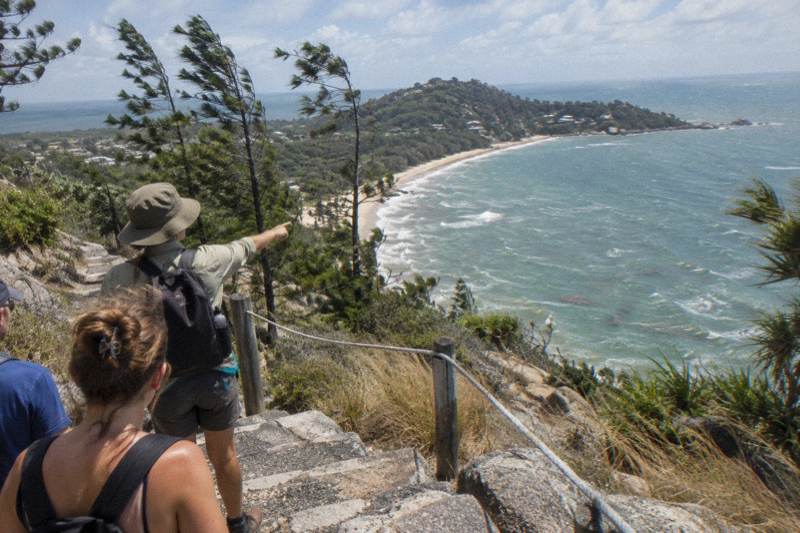
Where To See Wild Koalas On Magnetic Island And Which Tours Help
Magnetic Island carries one of the most reliable wild koala populations in Australia, and the park service names exactly one track where they are seen. Here is where to look, when to go, and which tours genuinely help.
Short answer
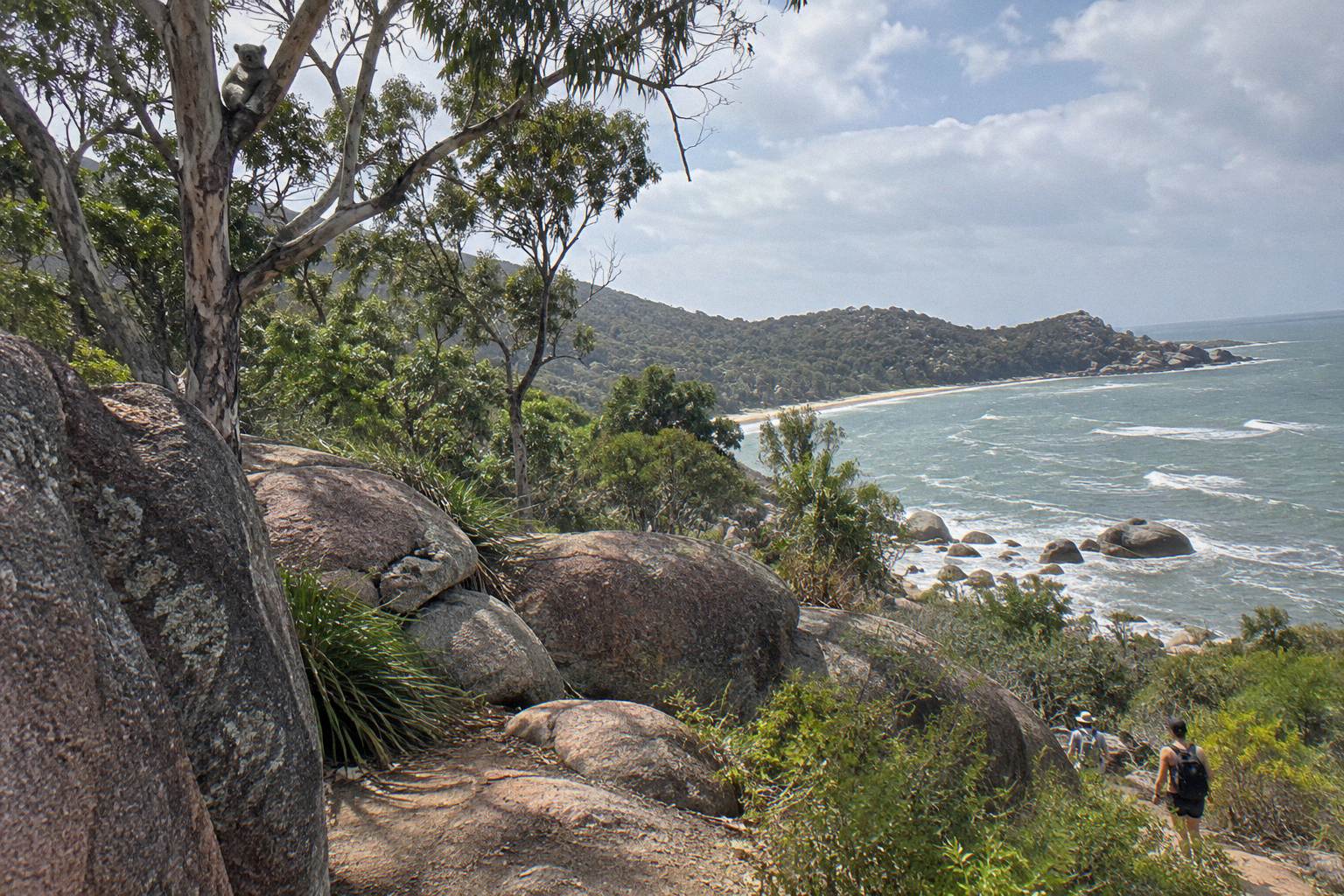
Wild koalas on Magnetic Island are seen along the Forts Walk, a 4 km return Grade 3 track from Forts Junction, about 2 hours of walking. Around 800 koalas live on the island. Walk early, look for movement in stunted eucalypts, and keep your distance if you spot one.
Where Do Wild Koalas Live On Magnetic Island?
Wild koalas on Magnetic Island live in the eucalypt and acacia woodland that covers most of the island's 5,184 hectares, and the track where Queensland's park service says you have a good chance of spotting one is the Forts Walk, a 4 km return Grade 3 track starting at Forts Junction. That single sentence carries most of what a first-time visitor needs, because the park service does not publish a list of bays or lookout points where koalas appear. It names the Forts Walk, and it describes the habitat in plain terms: eucalypt and acacia woodland with stunted trees, where a koala resting in the branches is visible once you know how to scan.
The backstory matters if you want to understand why the odds here are better than almost anywhere on the mainland. Koalas were introduced to Magnetic Island in the 1930s to protect them from perceived threats on the mainland, and the population has thrived in the absence of the pressures that make mainland sightings rare. A study in 2012 estimated the island supports a population of around 800 koalas, a figure the park service still cites on its own culture page for the island. An island where 78 percent of the 5,184 hectares is national or conservation park means the animals are not clustered in one small remnant patch. They are spread through the woodland.
What that means practically is that any stretch of eucalypt woodland on the island could hold a koala on any given day, and local guides who drive and walk the island daily build up knowledge of which trees and which gullies are being used in a given week. Self-guided visitors, by contrast, are working from habitat generalisations. Both approaches work; the guided route simply stacks more local knowledge behind your search. If you are planning a wider island day around the koala hunt, our one day itinerary with tours shows how the Forts Walk fits between the bays.
The island's Traditional Custodians are the Wulgurukaba, the "canoe people", who call the island Yunbenun. Koalas are a twentieth-century addition to that landscape, which is worth knowing because some visitors assume they are viewing an ancient population. They are not. They are a rescued population that found a sanctuary, and one that the island community is protective of.
Where To Look For Koalas By Habitat Setting
Scan the mid-level branches of stunted eucalypts at the woodland edge, especially where eucalypt and acacia woodland meets open grass or granite outcrop, because that is the habitat the park service describes on the Forts Walk and it repeats wherever those trees grow on the island. Koalas on Magnetic Island do not favour the tall closed forest. They favour the scruffy, stunted trees where a grey fur ball at eye-to-head height stands out against open sky once your eyes adjust.
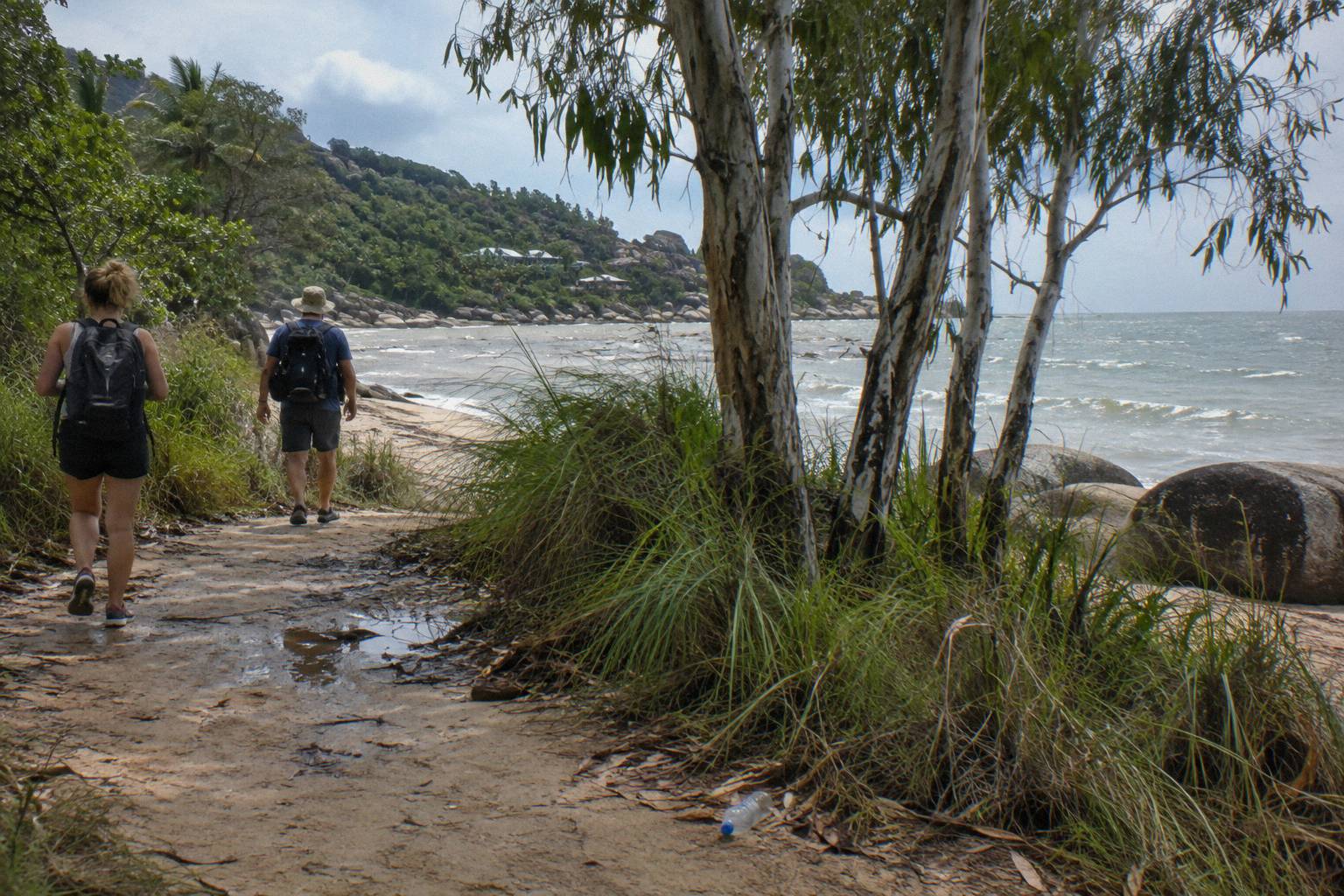
Learning to read the habitat is faster than walking more track. The table below breaks the island's main settings into what each offers a koala spotter, and how much time each deserves on a first visit.
| Setting | Why koalas use it | How to scan | Time to allow |
|---|---|---|---|
| Stunted eucalypt on the Forts Walk | Park-named koala habitat, open canopy, good light | Look for the round silhouette of a rump or ear against sky | 2 hours for the full 4 km return |
| Woodland edge near bays | Feed trees close to water and shade | Check the first row of eucalypts back from the sand | 20 to 30 minutes per bay |
| Granite boulder country | Koalas pass through; rock-wallabies live here | Scan the trees, then watch the boulders for wallabies instead | 30 minutes |
| Roadsides between Nelly Bay and Horseshoe Bay | Scattered feed trees, slow traffic | Only scan from a safe standing position, never while driving | Stop only at safe spots |
| Private gardens and resort grounds | Irrigated feed trees in dry spells | Ask before wandering; many are visible from public paths | Incidental |
Two habits separate the visitors who see a koala from those who walk right past one. The first is patience at likely trees: a koala curled into a fork looks remarkably like a termite mound or a cluster of dead leaves, and a full minute of looking at a "mound" sometimes produces an ear twitch. The second is looking low as well as high, because koalas on the ground are moving between trees, and a slow grey shape shambling across the track ahead of you is a sighting too, and one you should stop and wait out rather than approach.
The park service's phrase for the Forts Walk trees is "stunted trees", and that word is the clue. Stunted means short, open and slow-growing, which on this island usually means trees on thin soil over granite. Those trees are the ones worth your binoculars.
Why Early Morning Gives You Better Odds
Koalas sleep or rest for most of the day and feed in the late afternoon and evening, so the two windows when they are most likely to be awake, moving, or visible rather than curled into a ball are the first hours after sunrise and the last two hours before sunset, and the park service explicitly advises walking early because it is cooler and wildlife is more active. That is not folk wisdom; it is the park service's own guidance on the Forts Walk page, and it matches the general biology of the species.
The early recommendation carries a second advantage the park service also mentions: parking. The Forts Junction trailhead sits on the main road between Arcadia and Horseshoe Bays, and its small parking area fills quickly on busy days. Arriving early solves the sighting odds and the car space with one decision. In the hotter months it also solves the heat, because the walk offers little shade in its middle sections and the island's summer mean maximum sits above 30 degrees from November through February.
| Time window | Koala behaviour | Conditions on the track | Verdict |
|---|---|---|---|
| Sunrise to 8:30am | Resting but alert; some feeding movement | Cool, quiet, empty car park | Best overall window |
| 8:30am to 11am | Settling into day-rest forks | Warming, growing foot traffic | Good, prepare to scan harder |
| 11am to 3pm | Asleep, ball-shaped, hard to distinguish | Hot, busiest, least rewarding | Worst window for a sighting |
| 3pm to sunset | Waking, feeding, sometimes on the ground | Cooling, quieter after tour buses leave | Second-best window |
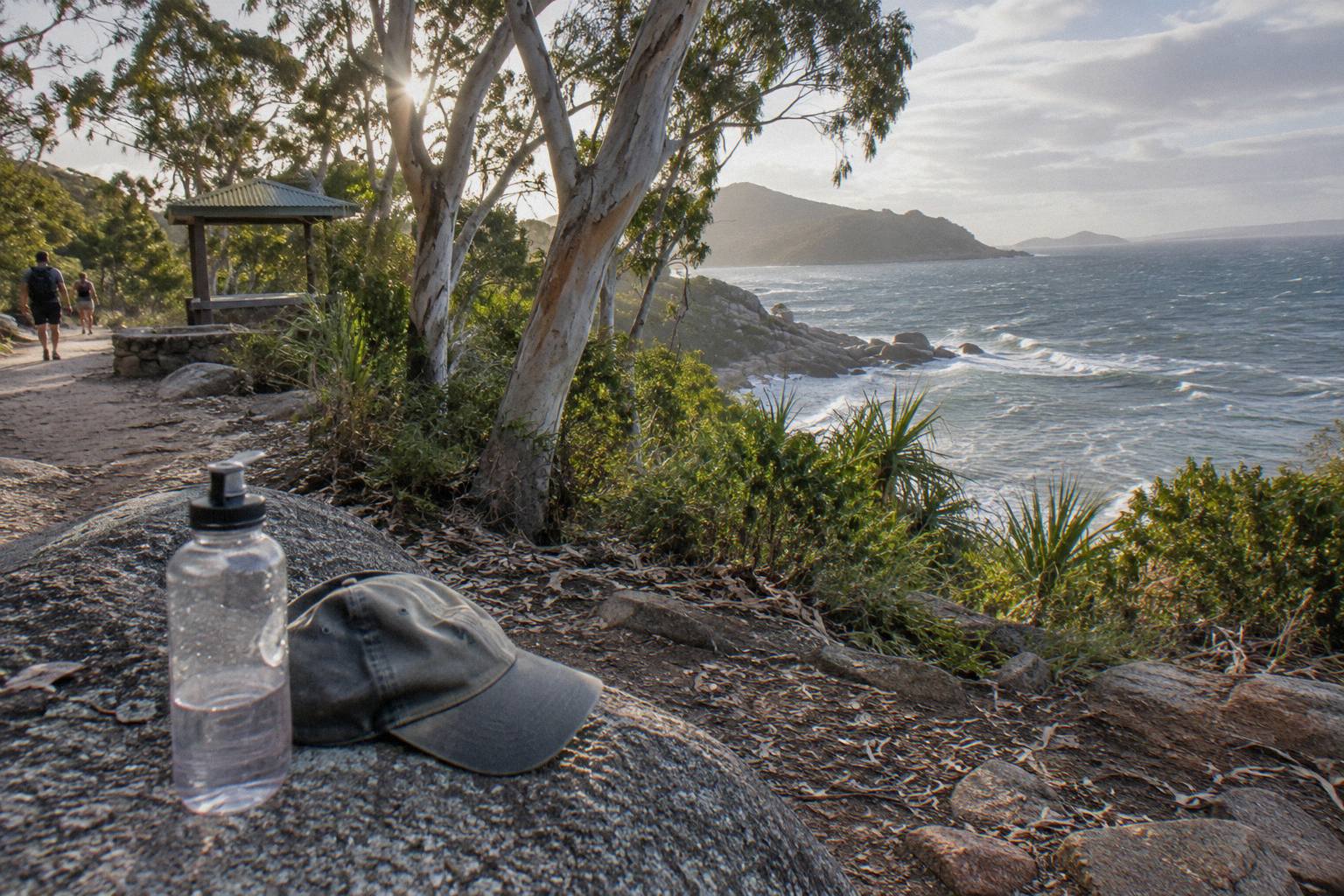
The late window deserves more credit than it gets. The park service and the island's nature care association both note that koalas feed in the late afternoon, and a feeding koala is the sighting people remember: an animal awake, gripping a branch, working through leaves. The catch is timing against the ferry. If you are day-tripping from Townsville, the last sailings are late enough that an after-dinner walk is possible, but check the timetable for the day you travel rather than relying on a remembered time. Our piece on how long the ferry takes and fitting a tour in covers the scheduling maths.
One caution that belongs in this section and nowhere else: winter walking. The dry, cool months from May to September are the island's peak visitor season and also the months when midday walking is genuinely pleasant, which tempts people into a midday koala hunt. Resist it. The biology does not change with the calendar; a midday koala in July is as asleep as a midday koala in January.
Forts Walk: The One Track The Park Service Names
The Forts Walk is a 4 km return Grade 3 track from Forts Junction, on the main road between Arcadia and Horseshoe Bays, taking about 2 hours of walking time, and it is the only track on Magnetic Island that Queensland's park service names for koala spotting, describing "a good chance of spotting a wild koala in the stunted trees" along it. For a visitor with limited time and a specific goal, that endorsement concentrates most of your effort into one well-marked walk.
The walk earns its reputation on more than koalas. It climbs gently through the woodland to the best-preserved Second World War coastal defence fortifications in Queensland, a heritage-listed complex where a signal station and coastal battery were built during 1942-43. The gun emplacements, command post and lookouts are open to wander through, and the viewing platforms at the top look out across the bays and the Coral Sea. In practice most visitors come for the forts or the koalas and leave having enjoyed both, because the koala habitat and the ruins occupy the same stretch of hillside.
| Side track from Forts Junction | Distance | Time | Grade | Notes for koala spotters |
|---|---|---|---|---|
| Forts Junction circuit | 400 m return | 15 min | Grade 1 | Easy warm-up scan of the woodland edge |
| Forts Walk (main) | 4 km return | 2 hr | Grade 3 | The named koala habitat |
| Arthur Bay track | 1 km one way | 20 min | Grade 2 | Quiet alternative with feed trees |
| Searchlight Tower track | 2 km one way | 40 min | Grade 3 | Steeper, fewer people, worth a scan |
| Florence Bay track | 1.8 km one way | 35 min | Grade 3 | Drops to a beach; scan on the way down |
Grade 3, for readers unfamiliar with the Australian walking-track scale, means a formed track with some short steep sections, occasional steps and a reasonable level of fitness required, but no scrambling or navigation skill. Most visitors from young teens upward complete it comfortably in the suggested 2 hours, plus whatever time you spend at the top and at any koala that stops you in your tracks. Bring a litre of water per person, wear closed shoes, and go early for the reasons the previous section sets out. Our fuller guide to the Forts Walk covers the track in detail.
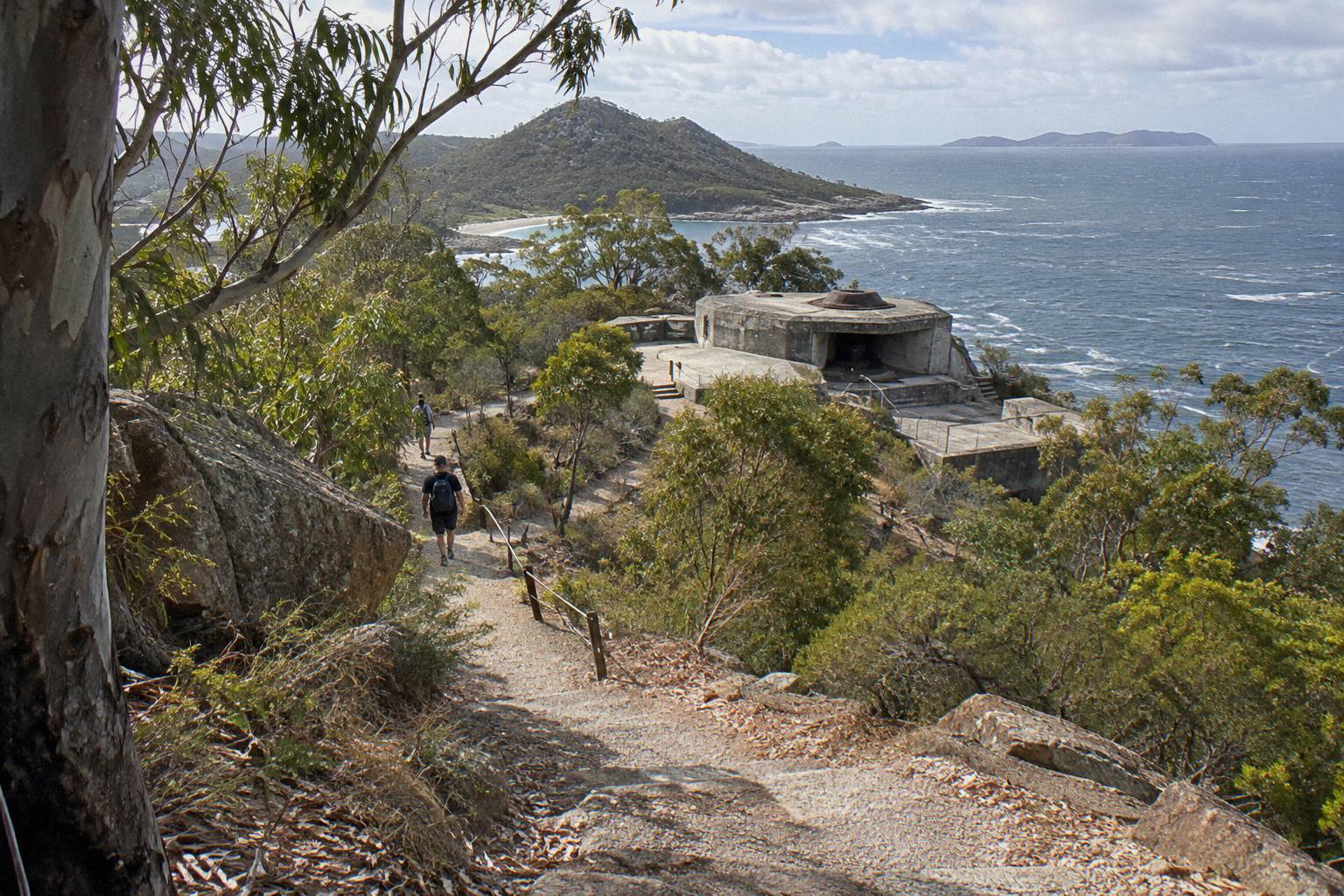
The park service's koala advice for this track has one more practical line worth repeating: walk early in the day because it is cooler, parking is easier, and koalas and other wildlife are more active. Every element of that sentence is checkable on the day, which is rarer than it sounds in wildlife advice.
Should You Walk Yourself Or Take A Guided Tour?
Self-guided walking is free, flexible and perfectly capable of producing a koala sighting on the Forts Walk, while a guided tour adds a local who scans the same trees every day, transport between trailheads, and in most cases park entry and lunch, which is why many visitors book a tour when the koala is the main goal of the trip rather than one of many. Neither choice is wrong; they suit different trips.
The honest comparison is about repetition. A guide who drives and walks the island daily knows which gullies have been active, which trees were used last week, and how to distinguish a koala from a burl at forty paces in two seconds flat. A first-time visitor brings fresh eyes, patience and a phone camera, and on a good morning on the Forts Walk that is often enough. The table below sets the two approaches against each other on the things that actually differ. The wider set of guides lives on Magnetic Island Tours.
| Factor | Self-guided walk | Guided island tour |
|---|---|---|
| Cost | Track is free; ferry and transport separate | From A$95 for a 5-hour island tour with ferry option |
| Koala-finding skill | Your own eyes plus park service guidance | A local guide who scans the same woodland daily |
| Flexibility | Walk as long as you like, stop at any sighting | Fixed itinerary, but covers more island in one block |
| Transport | Sunbus route 250 stops at Forts Junction | Pickup from island accommodation on most tours |
| Weather call | Yours alone | Guide's judgement; operators contact you to reschedule |
| Extra inclusions | None | Park fees, morning tea and lunch on the fuller tours |
The strongest self-guided day pairs the Forts Walk with a slow circuit of the bays by bus or hire moke, stopping to scan the woodland edge at each one. The strongest guided day does the same thing with someone else doing the driving and the spotting, which matters if you are travelling with children, older relatives, or anyone whose patience for staring at trees has limits. Families weighing the options may find our guide to island tours for kids' ages and activities useful background on what ages suit what tours.
Which Tours Improve Your Chances?
The tours that most plausibly improve your koala odds are the two 5-hour island bus tours from Magnetic Island Tours, one rated 4.9 from 205 reviews and the other 4.8 from 189 reviews, because both spend a half-day crossing koala habitat with a local guide, while the Koala Park entry is the guaranteed-sighting fallback with captive animals rather than wild ones. That is the shape of the choice: habitat plus local eyes, or a guaranteed encounter in a park setting.
The "Behind the Scenes with Tim Bee" tour, from A$115, is the lineup's flagship for this question. It runs 5 hours in an air-conditioned vehicle with an in-person guide, includes bottled water, national park entry fees and free pickup from island accommodation. Ferry tickets, lunch and morning tea are not included, so cross on a morning ferry and bring something to eat. Its 4.9 rating from 205 reviews reflects a large pool of guests for an island of this size. A guide doing this loop daily knows where the koalas have been sitting, and the vehicle covers far more woodland edge than any walker can.
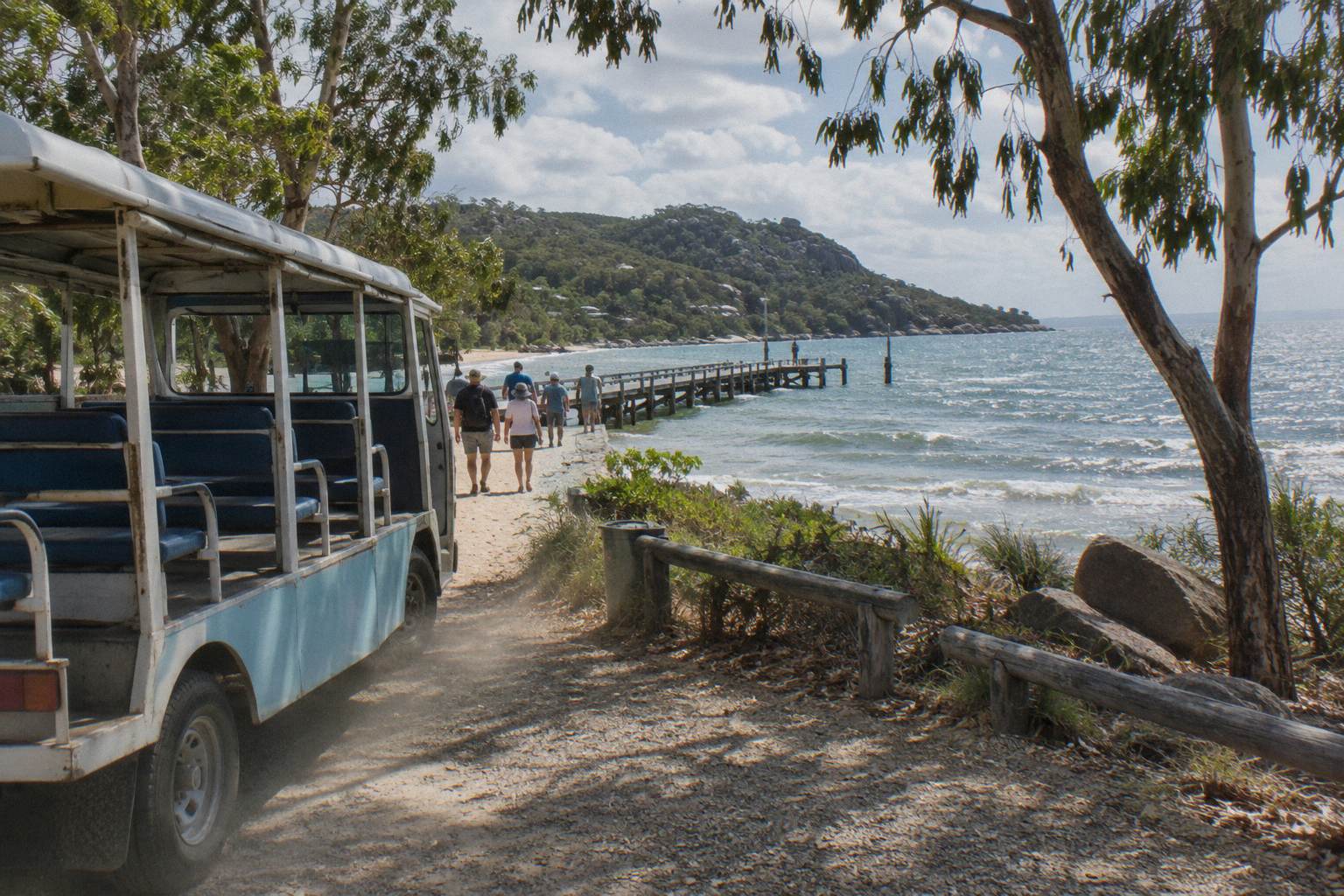
The History, Beaches and Wildlife tour, from A$95, shares the same operator and structure: 5 hours, air-conditioned vehicle, light morning tea, park fees and island accommodation pickup (ferry tickets and lunch are not included), rated 4.8 from 189 reviews. The differences between the two are in the guide and the route emphasis rather than the inclusions list, and both put hours of guided scanning between you and the ferry home. Check current availability and itinerary detail on the Behind the Scenes tour page or the History, Beaches and Wildlife tour page before choosing.
| Tour | Duration | Price | Rating | What it adds to a koala hunt |
|---|---|---|---|---|
| Behind the Scenes with Tim Bee | 5 hours | from A$115 | 4.9 from 205 reviews | Daily local knowledge, park entry, island pickup |
| History, Beaches and Wildlife Tour | 5 hours | from A$95 | 4.8 from 189 reviews | Same structure, budget-friendlier price point |
| Afternoon Tour | 3 hours | price shows when you check availability | 4.9 from 48 reviews | Fits the late-afternoon koala feeding window |
| Koala Park entry | Varies | price shows when you check availability | No reviews listed | Guaranteed captive koala sighting, no wild search |
The Afternoon Tour deserves a special mention here because of its timing. It runs 3 hours from the Nelly Bay ferry terminal with a local guide, bottled water and an air-conditioned vehicle, rated 4.9 from 48 reviews, and its afternoon slot lands squarely in the window when koalas wake and feed. Free cancellation up to 24 hours before start applies. For a visitor whose morning is already committed, it is the tour that best matches koala biology rather than fighting it.
Koala Spotting Etiquette And Distance
Keep a genuine distance from any wild koala you find, stay quiet, never attempt to touch or feed one, and move on after a few minutes, because the Magnetic Island Nature Care Association warns that koalas are easily stressed and may desert their young if approached, and feeding wildlife is prohibited in the national park. Those two rules, one from the island's own nature care body and one from the park service, cover almost every situation you will meet.
The distance rule is the one visitors most often underestimate, because a koala that appears calm is usually a koala that has not yet registered you as a threat. The recommended practice is simple: observe from several metres back, keep voices low, do not use flash photography, and give the animal a clear path if it is on the ground. A koala on the ground is at its most vulnerable, moving between trees, and the kindest thing you can do is stand still and let it finish its crossing.
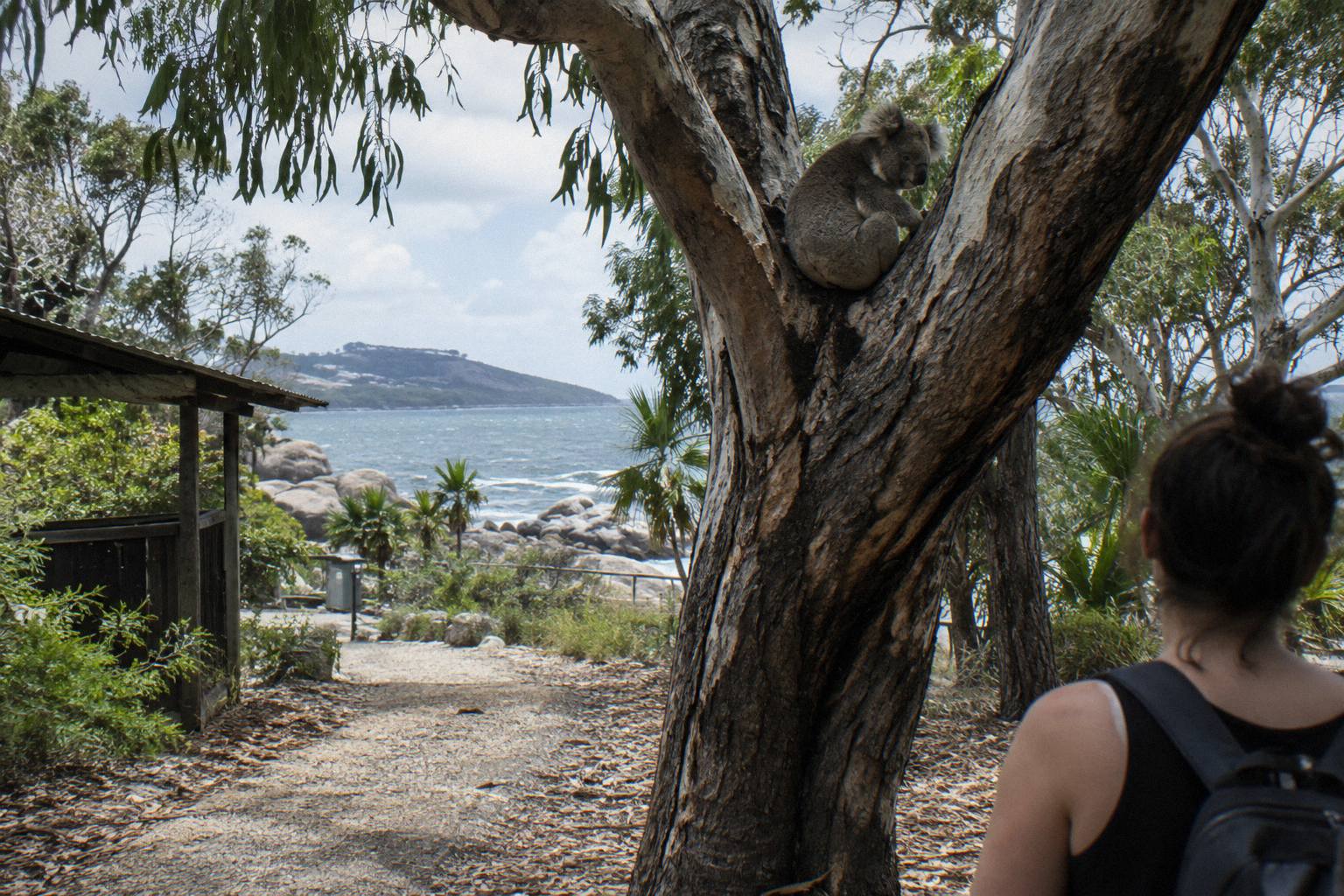
The feeding prohibition is park regulation, not suggestion, and it extends to all wildlife on the island, including the allied rock-wallabies that live among the granite boulders and are often the second sighting of a good morning. Feeding wildlife can affect their health and alter the natural population balance, and the habituated animals it produces are the ones that end up in trouble around roads and picnic areas. If you want a close, calm wildlife encounter that is ethical by design, the Koala Park entry tour offers ranger-guided native wildlife experiences at Horseshoe Bay; the price shows when you check availability.
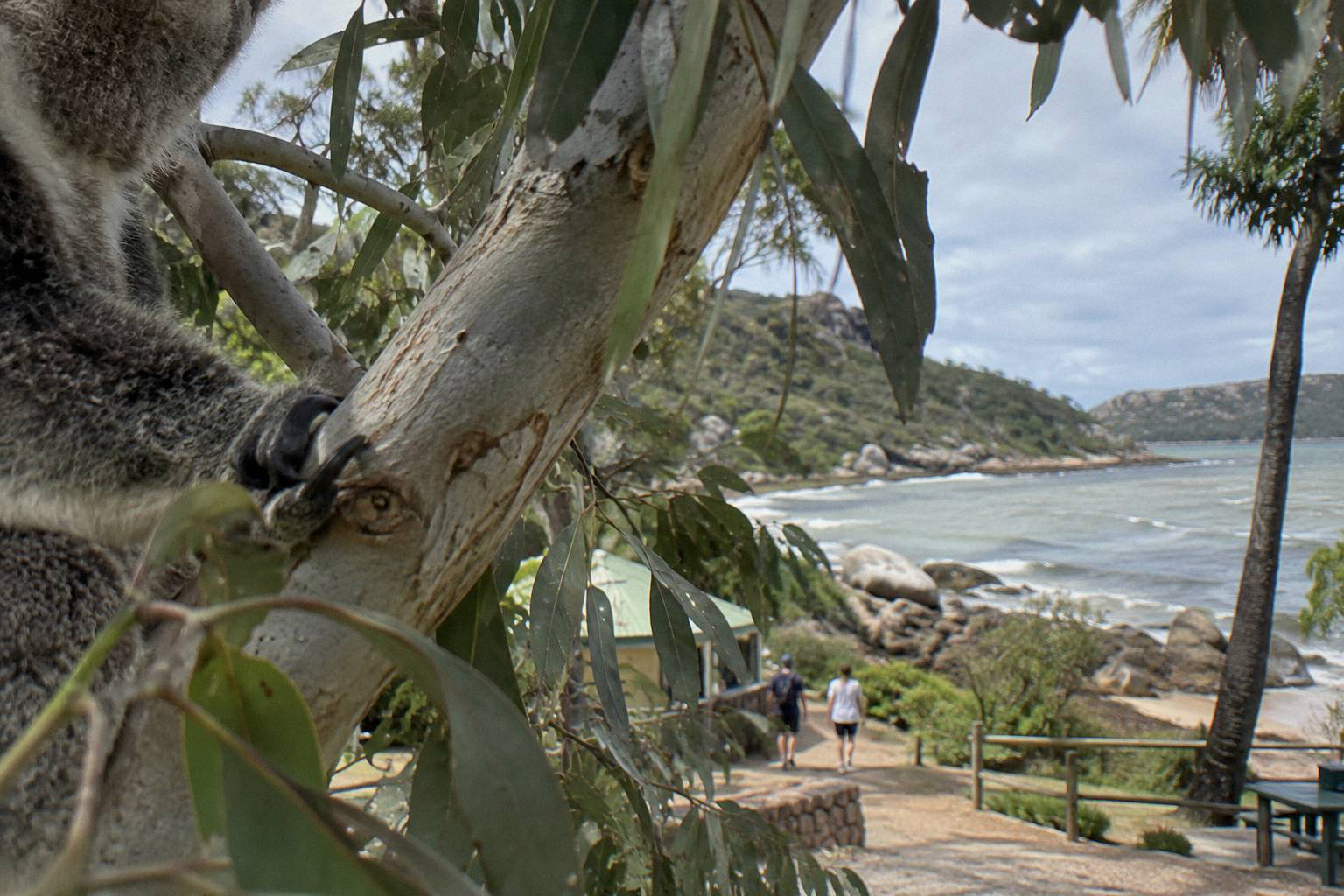
Group behaviour matters as much as individual behaviour. If you find a koala and a crowd starts to gather, the pressure on the animal multiplies with every phone raised. The courteous pattern on a busy track is a quiet word to those nearby, a shared look from a respectful distance, and moving on together. Wild koalas on this island survive because tens of thousands of annual visitors behave well; be one of the reasons that continues.
What If You Do Not See A Wild Koala?
If a full day of scanning the right habitat produces nothing, the honest answer is that wild animals are wild, no tour or track can promise a sighting, and the reliable fallback is the Koala Park at Horseshoe Bay, where captive koalas and other native animals are seen with a ranger guide, no searching required. Plan for the possibility and it stops being a disappointment.
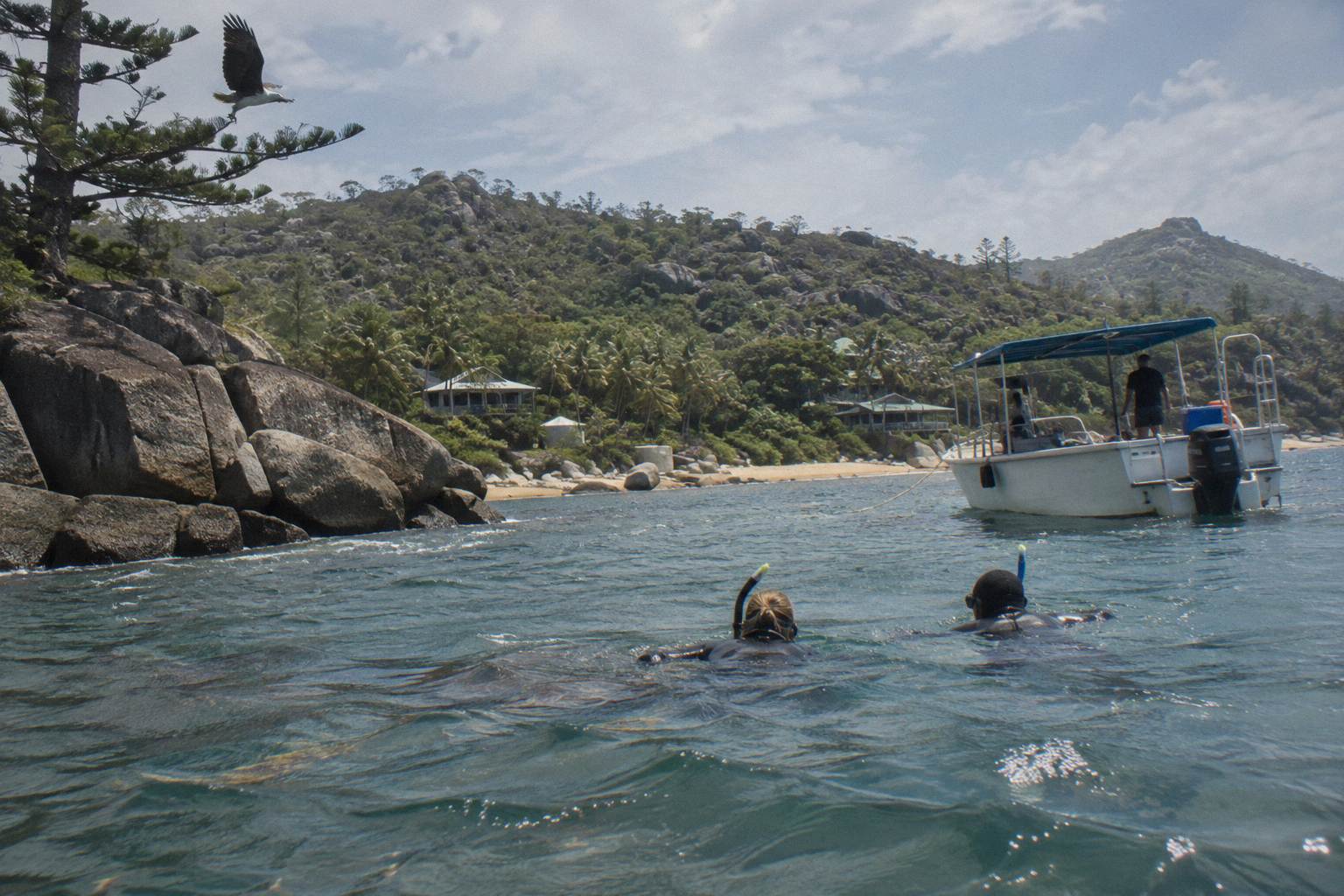
There are ways to shorten the odds before you concede. Revisit the Forts Walk at the opposite end of the day from your first attempt, because a woodland that hides every koala at 11am regularly gives up two or three at 4pm. Ask recently returned walkers what they saw; koala locations on a small island travel fast along the track itself, and a tip about "the big male near the second gun emplacement, twenty minutes ago" is worth more than an hour of blind scanning. And pay attention to the birds: noisy miners and other small birds often mob a koala on the move, and a commotion in the canopy is a sighting waiting to be identified.
Expectation-setting matters here. Around 800 koalas across a large, mostly wooded island is a healthy density, but it is not a zoo, and the park service's own wording is "a good chance of spotting a wild koala", not a guarantee. Visitors who treat the search as the pleasure, walking a genuinely beautiful track through the island's signature landscape of granite boulders and hoop pines, tend to report the day as a success regardless. Visitors who treat the koala as a box to tick sometimes go home frustrated on a morning when the koalas were simply having a sleepy week.
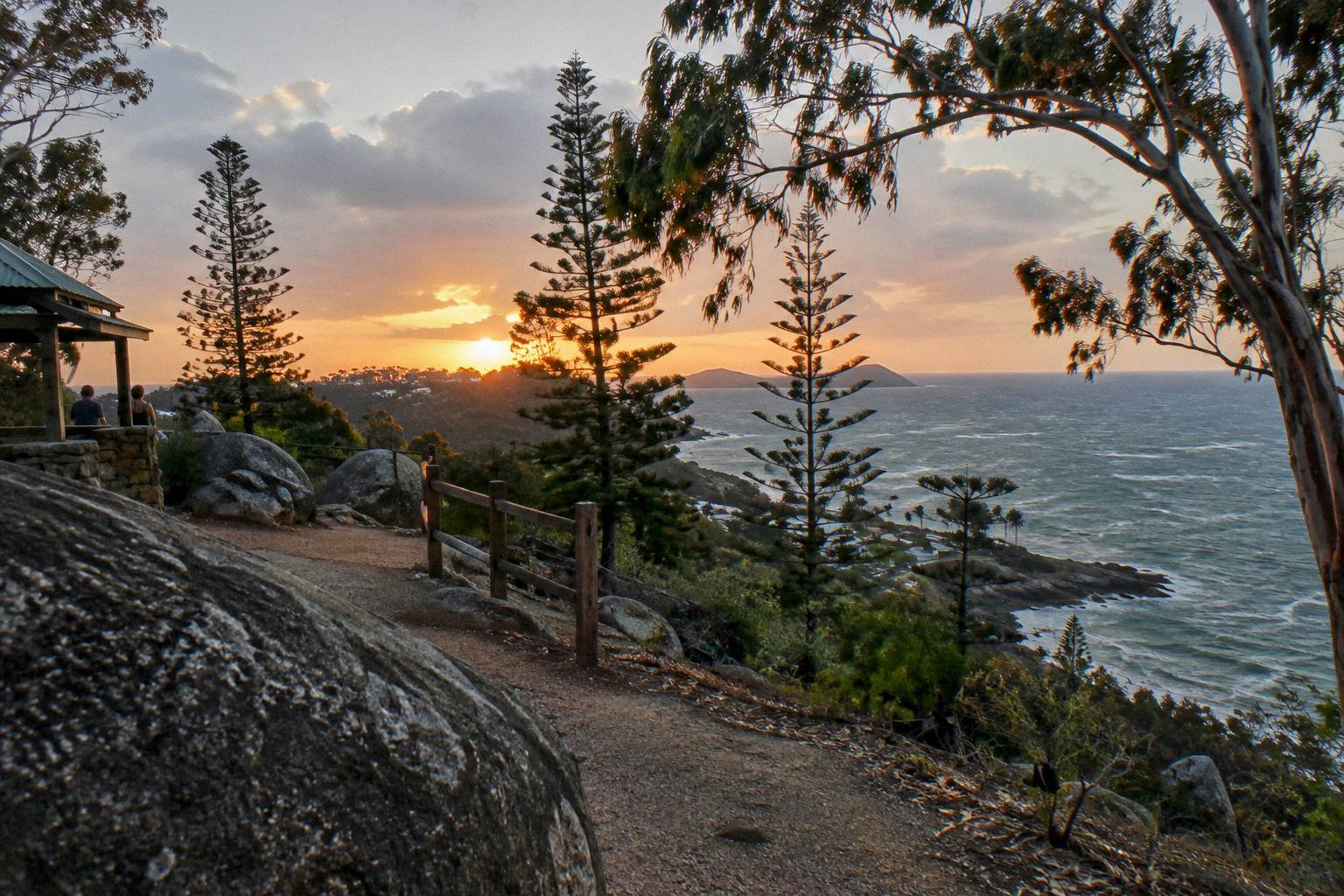
For a complete picture of koala experiences on the island, wild and captive, our overview of koala tours on Magnetic Island gathers the options in one place, and whether the Koala Park is worth it examines the fallback in detail. The island community that safeguards this introduced population has also built a good set of resources on living alongside it, and the Magnetic Island Nature Care Association publishes plain guidance on the island's koalas and rock-wallabies.
The search itself, done properly, is one of the better mornings this island offers: early light, empty track, cool air off the bays, and a woodland landscape that the park service describes as boulder-strewn headlands and fringing coral reefs, all of it within sight of Townsville. The koala, when it comes, is the reward for having been there at the right hour.
Common Questions About Seeing Wild Koalas On Magnetic Island
Where Can I See Wild Koalas On Magnetic Island?
The Forts Walk, a 4 km return Grade 3 track from Forts Junction, is the one location the park service names, describing a good chance of spotting a wild koala in the stunted trees. Elsewhere, scan the eucalypt woodland edge near the bays. No bay-level hotspot beyond the Forts Walk is officially documented.
How Many Koalas Live On Magnetic Island?
A 2012 study estimated the island supports around 800 koalas, and the park service cites that figure. The population was introduced to the island in the 1930s to protect koalas from perceived threats on the mainland.
What Is The Best Time Of Day To Spot A Koala?
Early morning, when it is cooler, the track is quiet and wildlife is more active, followed by late afternoon when koalas wake and feed. Midday is the least productive window because koalas sleep through it.
Can A Tour Guarantee I See A Wild Koala?
No. No tour or track can promise a wild sighting. Guided tours improve the odds with daily local knowledge of where koalas have been sitting, and the Koala Park at Horseshoe Bay offers a guaranteed captive koala experience instead.
Is It Safe To Get Close To A Wild Koala?
Keep your distance and stay quiet. The island's nature care association warns koalas are easily stressed and may desert their young if approached. Feeding wildlife is not allowed in the national park.
Is The Forts Walk Hard?
It is a Grade 3 track: formed path, some short steep sections, about 2 hours for the 4 km return. Most visitors of average fitness complete it comfortably, and the [park service's Forts Walk page](https://parks.qld.gov.au/parks/magnetic-island/journeys/forts-walk) has the full track details.